
Holistic Vet Care is becoming more popular among pet owners who want to help their animals feel better, especially when dealing with long-term health problems. Instead of just treating symptoms, holistic care looks at everything—your pet’s body, mind, and even their daily routine. This approach mixes regular veterinary medicine with things like acupuncture, better diets, herbal remedies, and changes at home. It’s not about picking one side or the other, but figuring out what works best for your pet as an individual. If your dog or cat has a chronic condition, holistic treatments can give them a better shot at comfort and happiness.
Key Takeaways
Holistic Vet Care focuses on the whole pet, including physical health, emotions, and lifestyle.
Natural treatments like acupuncture, laser therapy, and chiropractic care can help manage pain and mobility issues.
Diet changes, supplements, and stress reduction are important parts of holistic pet care.
Herbal and homeopathic remedies may offer extra support, but should always be used under a vet’s guidance.
Working with both holistic and conventional vets helps create the safest, most effective plan for pets with chronic conditions.
Principles of Holistic Vet Care for Chronic Pet Conditions

Holistic vet care for chronic conditions in pets isn’t just about treating symptoms—it’s about considering every part of the animal’s life. You look at things like their physical issues, but you also pay attention to their mood, routines, and even the place where they live. Chronic problems, like arthritis or allergies, usually need more than one solution. Here’s how holistic care works in practice:
Addressing Emotional and Physical Wellbeing
Holistic care always treats the entire animal—mind and body—rather than just a list of symptoms. Pets, just like people, deal with stress, pain, or boredom, which can all show up as physical illness. The approach prioritizes:
Monitoring mood and behavior alongside physical changes
Creating stable daily routines
Including gentle therapies that encourage relaxation (think massage, calming herbs)
It’s often the little wins—a cat purring again, or a dog playing with a favorite toy—that tell you real progress is happening.
Individualizing Treatment Plans
No two pets with the same diagnosis need the exact same treatment. Individualization is key, so:
Vets gather information from exams, lab tests, and daily observations
Treatment plans mix nutrition, gentle movement, supplements, or medications tailored to your animal
The plan changes as your pet’s needs shift—sometimes weekly, sometimes monthly
Quick Snapshot: Components Commonly Adjusted
Category | Examples |
|---|---|
Nutrition | Diet changes, specific supplements |
Movement | Gentle walks, physical therapy |
Emotional Care | Environmental enrichment, routines |
Balancing Traditional and Integrative Approaches
It’s not about choosing “natural” vs. “medical”—it’s about using what works best for your pet right now. Holistic vets often:
Suggest using prescription meds or surgery if needed, especially for pain or emergencies
Pair conventional treatments (like anti-inflammatories) with acupuncture or nutritional tweaks
Stay in touch with your primary vet to make sure every treatment plays a role
A solid holistic plan doesn’t throw out modern medicine—it combines it with other tools to boost your pet’s comfort and recovery for the long haul.
Natural Pain Management Strategies in Holistic Vet Care
If your pet deals with long-term pain, it’s not always easy to just rely on typical medications. A lot of families are looking into natural approaches—not just for fewer side effects, but for a more comfortable life for their animals. Here’s a closer look at some natural pain-relief strategies that holistic vets often use.
Acupuncture for Mobility and Comfort
Acupuncture might sound intimidating, but most pets tolerate it surprisingly well. It involves placing ultra-thin needles at specific body points to encourage the body’s natural repair systems. Many owners notice their pets moving more easily or relaxing after sessions. Acupuncture is regularly used for arthritis, back pain, and problems like hip dysplasia or nerve issues. Sessions are short and usually painless, and some pets even get drowsy during treatment. Sometimes, improvements show up right away; other times, it takes a few sessions.
Often used for chronic joint pain or nerve disorders
Can help with nausea, appetite, and recovery after surgery
Completely drug-free and usually well tolerated by cats and dogs
Therapeutic Laser Treatments
Therapeutic lasers use light energy to help reduce inflammation and boost healing. While you might picture something high-tech, in practice, pets just feel a gentle warmth where the laser is aimed. This method works well for animals who can’t take certain medicines, especially seniors. Vets often use lasers on achy joints, sore backs, or after orthopedic surgeries to speed up the healing process.
Laser Therapy Benefits | Typical Use Cases |
|---|---|
Reduces inflammation | Arthritis |
Speeds tissue repair | Tendon/ligament injuries |
Improves blood flow | Post-surgical discomfort |
Even the most skeptical owners are sometimes taken aback at how much more comfortable their pets seem after a handful of laser treatments. Sometimes it’s the subtle things: climbing the stairs again, or playing with a favorite toy.
Chiropractic and Manual Therapies
Holistic veterinarians might suggest chiropractic adjustments, stretches, or massage to help with mobility and balance. For dogs who work, are very active, or are recovering from surgery, these hands-on techniques can be a game changer. Gentle manual therapies can improve flexibility, reduce muscle tension, and restore movement in stiff joints.
Great for agility and working breeds
Massage helps circulation and lowers anxiety
Stretches and adjustments can support pets rehabbing after injury
Natural pain relief isn’t a magic fix, but it gives pets more chances for a comfortable life—sometimes in ways that pills alone just can’t do.
Holistic Nutrition and Lifestyle Adjustments for Pets
Species-Appropriate Diets and Supplements
Selecting the right diet for your pet is more than just picking up the leading brand at the store. Every animal has unique nutritional needs based on their age, illness, activity, and even personality. A diet tailored to a cat with kidney disease will look a lot different than one for a young, energetic dog.
Here are some steps to build a nutrition plan:
Consult with your veterinarian or a nutrition-focused vet for guidance.
Choose a diet that matches your pet’s actual species needs—cats require more protein, while dogs might need a broader mix.
Use supplements only if needed. Common ingredients include fish oil for joints or probiotics for the gut, but doses matter.
Condition | Diet Focus | Possible Supplements |
|---|---|---|
Arthritis | Anti-inflammatory | Fish oil, glucosamine |
Kidney Disease | Low protein/phosphorus | Omega-3, potassium |
Digestive Issues | Easily digestible | Probiotics, pumpkin |
In some cases, you might also need to update your pet’s food choices as their health changes. Pay attention if their appetite dips or they get picky—this could be a sign to adjust their plan.
Promoting Environmental Enrichment
A pet’s emotional health matters just as much as its physical wellness. Boredom, anxiety, and lack of mental activity can lead to behavior problems or worsen chronic illness.
Try these ideas to shake up your pet’s environment:
Rotate different toys and puzzle feeders every week.
Provide high spots or window perches for cats and safe chew stations or digging pits for dogs.
Organize supervised outside time if it’s safe—fresh air and new smells are beneficial.
A little variety can go a long way in reducing stress and keeping your pet interested in daily life.
Exercise and Stress Reduction Methods
Consistent activity helps manage chronic pain, maintain good body weight, and brighten your pet’s mood. The trick is to match exercise to the pet’s ability and medical condition.
Consider these:
Gentle leash walks for dogs with arthritis instead of big hikes.
Short, multiple play sessions for indoor cats rather than expecting them to run laps all day.
Incorporate short massage or petting sessions to ease tension instead of only focusing on high-intensity play.
If your pet is showing signs of stress—restlessness, hiding, barking, over-grooming—it’s time to check your routine. Adjustments as simple as scheduled quiet times or using pheromone diffusers may help.
Keeping a pet happy isn’t about doing everything at once. It’s about steady, simple changes that add up to a better quality of life every single day.
Herbal and Botanical Medicines in Holistic Vet Care
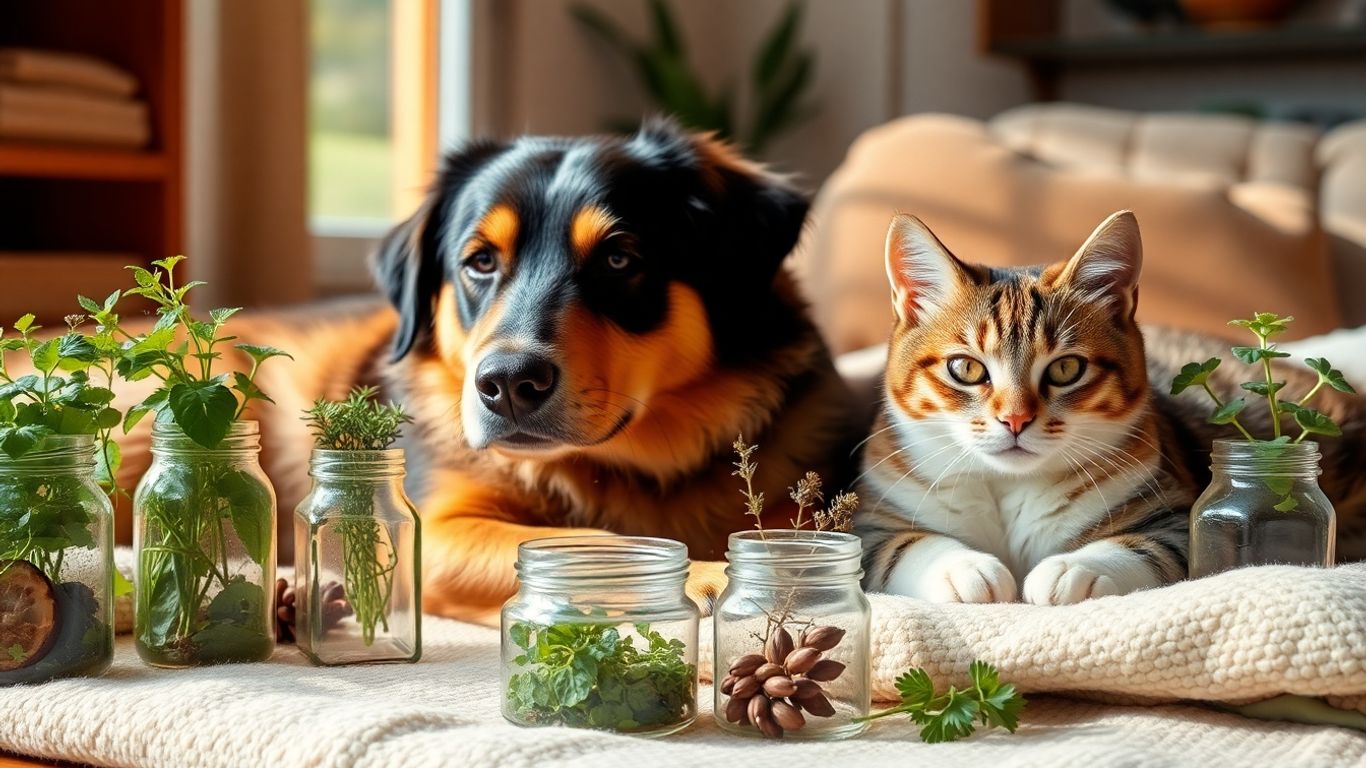
It’s wild to think about, but herbs and plants have been used for generations to help pets deal with sickness, pain, and even emotional stress. Herbal veterinary medicine isn’t just about adding a sprinkle of this or a pinch of that to your pet’s dinner — there’s a lot of thought behind every ingredient. These remedies focus on the root of a problem, not just the outward symptoms.
Phytotherapy for Inflammation and Immunity
Phytotherapy simply means using herbs and plants as medicine. In the world of holistic pet care, this can help with inflammation, allergies, infections, and immune problems. Plants like turmeric, ginger, and echinacea each contain natural compounds that can target these issues. It’s not a magic cure, but plenty of pets get real relief, especially from chronic aches and flare-ups. Phytotherapy is especially promising for pets who can’t tolerate pharmaceutical side effects. For a bigger picture of how plant-based approaches can work, veterinary botanical medicine aims at treating illness at its roots while supporting the body’s natural processes.
Key uses for phytotherapy include:
Reducing joint or muscle soreness
Supporting immune system health
Calming digestive troubles
Complementing other ongoing treatments
Choosing Safe Herbal Supplements
Just because something is natural doesn’t make it automatically safe for your cat, dog, or rabbit. Dosing matters — a lot. Herbs like garlic or licorice can be toxic to some animals if not used properly, and quality control can vary between supplement brands. Always check for the following when picking an herbal product for your pet:
Third-party tested supplements or products made for pets
Clear, species-specific dosing instructions
Ingredients lists with no hidden fillers or artificial additives
Manufacturer transparency about sourcing and safety
Natural therapies may seem harmless, but even the best intentions can go wrong without the right advice. Keep your vet in the loop whenever herbs are added to your animal’s daily routine.
Integrating Botanicals With Conventional Therapies
Blending herbal remedies with conventional medicine isn’t just allowed — for some pets, it’s the best route forward. Herbs can support organ health, reduce the side effects of strong drugs, and sometimes shorten recovery time. But it’s tricky because some botanicals can interact with prescription medications, changing how they work or increasing risk. Collaboration between holistic and traditional vets helps create a balanced plan.
Types of botanical-integration approaches include:
Adding milk thistle to protect liver health during long-term medication use
Using valerian root or chamomile to gently reduce anxiety while tapering off sedatives
Combining omega-rich oils with anti-inflammatory drugs to manage arthritis
Here’s how a couple of herbs commonly used in conjunction:
Herb | Main Benefit | Typical Use Case |
|---|---|---|
Milk Thistle | Liver support | During/after drug therapy |
Echinacea | Immune support | Recurring infections |
Boswellia | Joint pain & swelling | Arthritis |
Ginger | Upset stomach relief | Nausea, travel sickness |
Above all, every pet is an individual — results can vary, and ongoing monitoring is key. The more you communicate with your veterinary team, the safer and more effective your pet’s botanical therapy journey will be.
Homeopathy and Alternative Therapies for Chronic Conditions
Principles of Homeopathic Remedies
Homeopathy is a kind of natural medicine people use for pets to address long-term illnesses. It’s based on the idea that very diluted substances can help the body heal itself. For example, if a healthy animal takes a substance and experiences symptoms, then tiny amounts of this same substance are given to a sick animal with similar symptoms, hoping to trigger a gentle healing response. Pet owners sometimes choose homeopathy because it’s supposed to be gentle and side effect–free. But you have to keep in mind that scientific proof for these treatments is mostly limited. Still, in practice, they’re often used alongside mainstream medicine.
Common Conditions Treated With Homeopathy
Homeopathic remedies are considered for a range of recurring or lingering pet problems, including:
Joint pain and stiffness, such as arthritis
Chronic skin issues like itchy rashes and hotspots
Digestive upsets: vomiting, diarrhea, constipation
Stress-related behaviors or anxiety
Bladder or urinary tract problems
Remedies such as Arnica (for injuries and bruising), Nux Vomica (for constipation or digestive trouble), and Sulphur (for skin flare-ups) appear repeatedly in homeopathic vet practices. It’s not a one-size-fits-all thing — the vet picks based on your pet’s symptoms, temperament, and even quirks.
Professional Guidance and Safety Considerations
If you’re thinking of trying homeopathy for your pet, don’t just grab whatever’s on the shelf at the health store. A professionally trained holistic vet can help sort out whether these therapies make sense and which remedies fit your pet’s situation. Here’s what to remember:
Homeopathic dosing relies on symptoms, not weight or age, so trained guidance is really important.
Some conditions need urgent mainstream medical care—delaying conventional treatment in favor of alternative therapies could put your pet at risk.
It’s best to use homeopathy as a complement, not a substitute, for conventional care, especially for serious or worsening illnesses.
Consideration | Details |
|---|---|
Dosing | Based on symptoms, not pet’s size |
Time to see results | Can be slow, patience required |
Safety | Generally low risk, when guided professionally |
Role in care | Should work with—not against—regular medicine |
If you’re serious about alternative therapies, talk it through with both a holistic and a conventional vet. Combining ideas can often give your pet the broadest support, especially for complex, stubborn problems.
Creating a Healing Environment at Home for Pets
Setting up a space in your home that’s good for a pet with ongoing health problems can make a real difference for them and for you. A healing home environment does more than provide comfort; it can help your pet’s treatment work better and improve their outlook. Holistic approaches for pets mean thinking about their whole situation, so let’s look at a few ways to bring that attitude to your living space as you support your animal companion.
Modifying Spaces for Mobility Support
Chronic pain and mobility issues can make everyday obstacles harder for pets. Here’s what you can do to help:
Secure non-slip rugs or mats where your pet climbs or walks frequently—slippery floors can be tough and dangerous.
Ramps and stairs ease the strain on aging hips and knees, especially for getting onto couches or beds.
Rearrange furniture so your pet has wide, clear pathways, cutting down on awkward turns or obstacles.
A lot of families add orthopedic beds next to favorite hangouts, making it easier for pets to rest where the action is. These changes sound simple but go a long way in making life less stressful for animals with chronic conditions. Holistic practices like acupuncture and herbal medicine can also make a pet more comfortable at home, as more owners are discovering through holistic veterinary care.
Tools and Accessories for Chronic Pain Management
There’s a surprising number of helpful devices, even for pets:
Tool/Accessory | How It Helps |
|---|---|
Heated pet pads | Soothes stiff joints and muscles |
Soft harnesses | Reduces pressure for dog walks |
Elevated feeders | Supports neck and back for arthritic pets |
Compression wraps | May improve joint stability |
Some folks even invest in gentle massage or daily brushing routines—small things that ease tension and offer a little extra care.
Minimizing Household Stressors
Chronic conditions often flare up when pets get stressed, so keeping calm at home is important. Here are some ideas:
Maintain a regular routine with feeding, walks, and rest—predictability is super calming.
Provide a quiet retreat (like a cozy crate or corner) so your pet can nap or escape noise when needed.
Keep household scents mild; some cleaning products or air fresheners can make sensitive pets anxious—or even unwell.
Making your pet feel safe and at ease isn’t just about their body; it’s about creating security for their mind, too. Small changes add up until home is a true place of relief.
Balancing physical adaptations with emotional comfort means your pet gets the most from every day—especially when dealing with chronic issues. With a few practical tweaks and some awareness, your home can become the best possible spot for healing and peace.
Collaboration With Holistic and Conventional Veterinarians
When it comes to managing long-term health problems in pets, figuring out how holistic and traditional veterinary care can work together makes a real difference. Some folks think you have to pick one or the other, but actually, the safest and most effective care happens when everyone works as a team.
Choosing a Qualified Holistic Vet
Finding the right holistic vet can take a bit of work. Here’s a simple checklist to help you get started:
Make sure they’re licensed as a veterinarian.
Look for extra training in fields like acupuncture, herbal medicine, or nutrition.
Ask how they coordinate with your regular vet.
Choose someone who explains things clearly and listens to your concerns.
Keeping these points in mind can help make sure your pet is in good hands.
Coordinating Comprehensive Care
Holistic and conventional vets can combine their strengths to give your pet the widest range of options:
Include both medical records and treatment updates.
Agree on a common plan, so everyone’s on the same page.
Keep communication open when it comes to changes in medication or adding natural therapies.
A quick look at what each approach can offer:
Approach | Treatments Offered |
|---|---|
Conventional Vet | Diagnostics, surgery, prescription meds |
Holistic Vet | Acupuncture, herbal therapy, nutritional counseling |
Both Combined | Chronic pain management, immune support, rehab |
Monitoring and Adjusting Treatment Over Time
Chronic issues mean you have to keep checking in and making changes as your pet’s needs shift. Here’s what helps:
Regular checkups with both vets.
Tracking progress (like energy, appetite, mobility).
Revising the plan if your pet’s condition or life changes.
It’s smart to keep both types of vets in the loop—sometimes the solution comes from trying a bit of everything until you see what truly helps your pet feel better.
Working together, holistic and conventional veterinarians don’t just treat symptoms—they look at the full picture, often leading to better long-term wellbeing for pets with chronic problems.
Conclusion
Holistic treatments for chronic conditions in pets are becoming more common, and for good reason. When you see your dog or cat move easier, act happier, or just seem more comfortable, it’s hard to ignore the difference. These changes might not always show up on a chart, but they matter a lot to families. Holistic care isn’t about ditching regular vet visits or skipping medicine when it’s needed. Instead, it’s about using every tool available—like acupuncture, laser therapy, better nutrition, and lifestyle tweaks—to help your pet feel their best. Always talk to your vet before trying something new, since every animal is different. At the end of the day, the goal is simple: help our pets live happier, healthier lives, no matter what challenges they face.
Frequently Asked Questions
What does holistic pet care mean?
Holistic pet care is about treating the whole animal, not just the illness. It looks at your pet’s body, mind, and environment to help them feel their best. This approach may use both natural and regular vet treatments, depending on what your pet needs.
Can holistic treatments help with my pet’s chronic pain?
Yes, holistic treatments like acupuncture, laser therapy, and gentle massages can help pets deal with ongoing pain. These methods can make your pet more comfortable, especially if they have joint problems or arthritis.
Is it safe to use herbs and supplements for my pet?
Some herbs and supplements can be helpful, but not all are safe for every pet. Always ask your vet before giving your pet any new supplement or herbal remedy, since some can cause side effects or interact with other medicines.
How do I know if my pet needs a special diet?
If your pet has a health problem, your vet may suggest a diet that fits their needs. Holistic vets often recommend diets that match your pet’s species and help with issues like allergies, weight, or digestion. Talk to your vet before making big changes to your pet’s food.
Should I choose a holistic vet or a regular vet?
Both types of vets can help your pet. A holistic vet looks at the big picture and uses natural therapies, while a regular vet uses standard medicine. Sometimes, the best care comes from both working together to make a plan just for your pet.
What changes can I make at home to help my pet with a chronic condition?
You can make your home safer and more comfortable by adding ramps, using rugs on slippery floors, and providing soft beds. Keeping stress low and giving your pet gentle exercise can also make a big difference in their daily life.
Comments