
Keeping your cat looking and feeling good isn’t just about making them pretty. It’s a big part of their overall health, honestly. Cats are pretty good at cleaning themselves, sure, but they can’t do everything. Things like getting rid of mats, trimming their nails, or even checking their teeth are things they just can’t manage on their own. Regular cat grooming sessions with you can help prevent a bunch of common problems, keep their coat nice and shiny, and even help you spot any weird lumps or bumps early on. Plus, it’s a great way to bond with your furry friend.
Key Takeaways
Tailor your cat grooming approach to their specific coat type, whether it’s short or long-haired, as this will determine how often and how intensely you need to groom.
Always use the right cat grooming tools for the job, like appropriate brushes, combs, and nail clippers, to make the process effective and safe.
Gentle brushing, careful nail trimming, and regular checks of ears and eyes are core cat grooming techniques that contribute to your cat’s well-being.
Be prepared to handle common cat grooming challenges such as matted fur, fear or anxiety during sessions, and managing shedding and hairballs.
Consider professional cat grooming services for difficult tasks, severe matting, or if your cat becomes overly stressed during at-home grooming attempts.
Understanding Your Cat's Unique Grooming Needs
Tailoring Care to Coat Type
Every cat is a little different, and their fur is a big part of that. Long-haired breeds, like Persians or Maine Coons, need a lot more attention to keep their coats from getting tangled. We’re talking daily brushing, really. Short-haired cats, on the other hand, might only need a good brush once a week. It helps spread their natural oils and gets rid of loose fur. The right tools make all the difference here. For long fur, you’ll want something that can get through tangles without pulling, maybe a slicker brush or a comb with wider teeth. For shorter coats, a bristle brush or a grooming mitt often works well. It’s all about preventing mats before they even start, which can be really uncomfortable for your cat. Even cats with less fur, like Sphynx, need care; their skin can get oily and needs regular wiping down to manage dander and shedding managing dander and shedding.
Considering Age and Health Factors
As cats get older, they might not be as flexible as they used to be. This means they might have trouble reaching certain spots to groom themselves, like their backs or hindquarters. That’s where you come in. You might need to help them out more often with brushing, especially in those hard-to-reach areas. Kittens, well, they’re still getting used to everything, so grooming sessions need to be super short and gentle. If your cat has any health issues, like skin conditions or arthritis, that can also change their grooming needs. You might need special shampoos or need to be extra careful around sore spots. Always keep an eye out for any changes in their skin or coat during grooming.
Recognizing Individual Preferences
Some cats just love being brushed. They’ll purr and lean into the brush like it’s the best thing ever. Others? Not so much. They might tolerate it for a minute or two, or they might run for the hills the second they see the brush. It’s important to pay attention to your cat’s body language. If they’re showing signs of stress, like flattened ears or a twitching tail, it’s time to stop. You want grooming to be a positive experience, not a battle. Try to keep sessions short, especially at first, and always end on a good note, maybe with a treat or some playtime. Building trust is key, and it takes time. Some cats might prefer a soft cloth over a brush, or maybe they only like being brushed when they’re already sleepy and relaxed. Finding what works for your specific cat is the goal.
Grooming isn’t just about looks; it’s a way to connect with your cat and keep them healthy. Paying attention to their coat, skin, and any changes you notice can help you catch problems early. It’s a team effort between you and your feline friend.
Essential Cat Grooming Tools and Their Uses
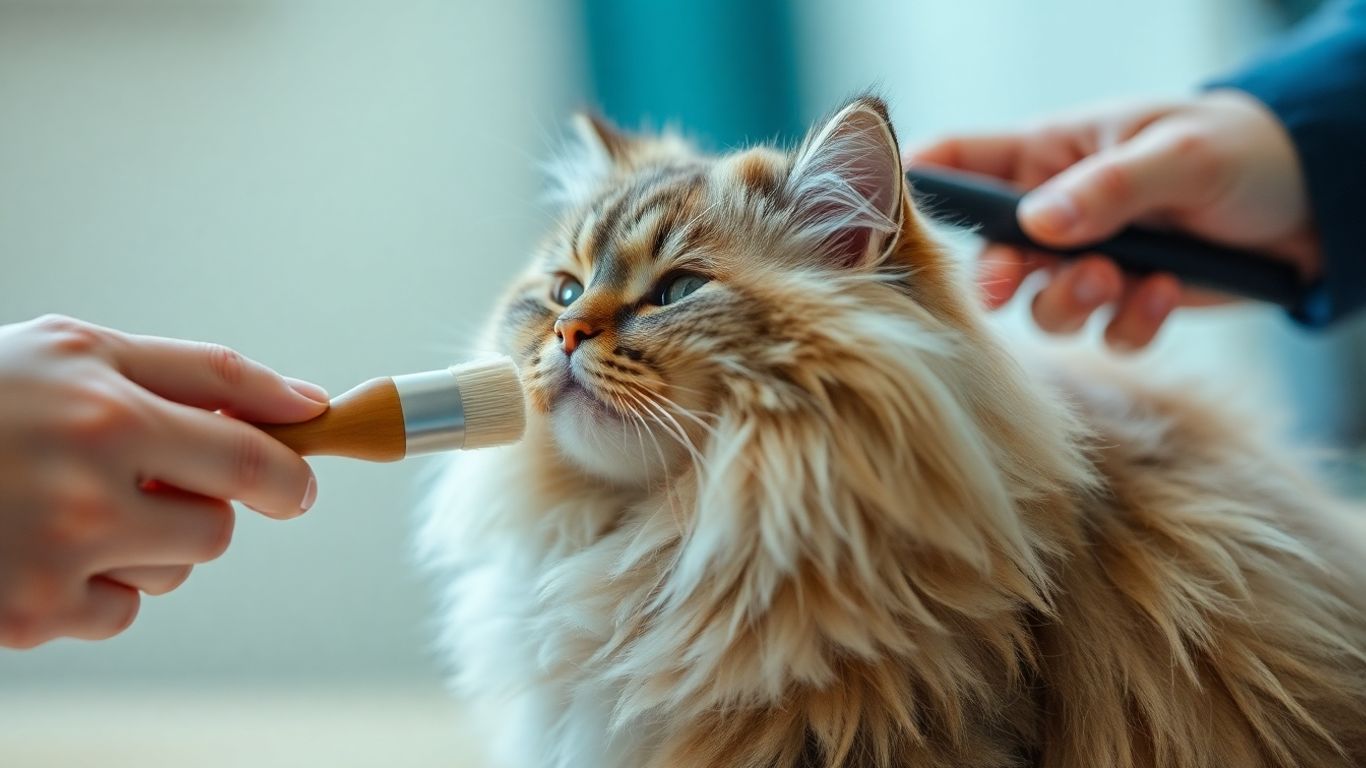
Alright, let’s talk tools. You can’t just grab any old thing to groom your cat; you need the right gear to make the job easier and safer for both of you. Think of it like having the right screwdriver for a tricky screw – it just makes everything go smoother.
Selecting the Right Brushes and Combs
This is probably the most important category. The type of brush you need really depends on your cat’s fur. A good brush can make all the difference in preventing painful mats and keeping their coat healthy.
Slicker Brushes: These have fine, short wires close together. They’re great for removing loose fur and small tangles, especially on medium to long-haired cats. Just be gentle, as the wires can be a bit pokey if you press too hard.
Bristle Brushes: Best for short-haired cats. They help distribute natural oils and give their coat a nice shine. Think of it like giving them a good massage.
Metal Combs: These are super useful for getting out deeper tangles and checking for fleas or skin issues. A comb with widely spaced teeth is good for initial detangling, while one with closer teeth can help catch tiny pests.
Deshedding Tools: If your cat is a champion shedder (and let’s be honest, most are), these tools are lifesavers. They reach through the topcoat to gently pull out loose undercoat fur without damaging the fur itself. Use them according to the instructions, usually just once or twice a week during shedding season.
Choosing Appropriate Nail Clippers
Trimming your cat’s nails might sound scary, but it’s a necessary part of grooming. You don’t want them getting snagged on furniture or accidentally scratching you too badly. The key here is to use clippers made specifically for cats.
Guillotine Clippers: These are popular and work by slicing the nail. Make sure you get the right size for your cat.
Scissor Clippers: These look like small scissors and can offer a clean cut. Some people find them easier to control.
Whatever you choose, make sure they’re sharp. Dull clippers can crush the nail, which is painful. And remember, only trim the very tip, avoiding the pink part (the quick) where the nerves and blood vessels are.
Utilizing Grooming Wipes and Specialized Tools
Sometimes, a full grooming session isn’t needed, or you need to tackle specific issues.
Grooming Wipes: These are handy for quick clean-ups. If your cat gets a little something on their fur or face, a wipe can do the trick without a full bath. Look for ones made for pets, free of harsh chemicals.
Dematting Tools/Rakes: For cats prone to serious matting, especially long-haired breeds, these tools are designed to carefully break up or cut through stubborn knots. They require a gentle hand and patience.
Flea Combs: These have very fine teeth and are excellent for detecting and removing fleas and flea dirt. You can use them regularly as a preventative measure.
Having the right tools makes grooming less of a chore and more of a bonding experience. It’s about making your cat comfortable and keeping them healthy, so invest in quality items that suit your cat’s specific needs. Don’t be afraid to ask your vet or a groomer for recommendations if you’re unsure about what to buy.
Mastering Basic Cat Grooming Techniques
Alright, let’s get down to the nitty-gritty of actually grooming your cat. It’s not as scary as it sounds, honestly. The key is to be gentle and patient, and to make it a positive experience for your furry friend. Think of it as quality time, not a chore.
Effective Brushing Strategies
Brushing is probably the most important thing you’ll do. It helps get rid of loose fur, stops mats from forming, and spreads those natural oils that keep their coat looking nice. For short-haired cats, a quick brush once a week is usually enough. Long-haired cats, though? They need more attention, maybe even daily brushing, especially in spots like their belly or behind the ears where tangles love to hide. Always brush in the direction their fur grows. If your cat has a really thick coat, you might want to look into a deshedding tool, but use it carefully.
Short-haired cats: Brush 1-2 times per week.
Long-haired cats: Brush daily, focusing on problem areas.
All cats: Brush in the direction of hair growth.
Starting with a calm environment is half the battle. If your cat is already stressed, grooming will be a struggle. Try to pick a quiet time when they’re relaxed, maybe after a nap or a meal. Gentle strokes and a soft voice go a long way.
Safe Nail Trimming Practices
Nail trimming can make some owners nervous, but it’s pretty straightforward once you get the hang of it. You’ll need a good pair of cat nail clippers. The most important thing is to avoid cutting the ‘quick’ – that’s the pink part inside the nail that has blood vessels and nerves. If you cut it, it’ll hurt and bleed. Just trim the very tip of the nail. If you’re unsure, ask your vet to show you how the first time. It’s also a good idea to introduce the clippers gradually, maybe just letting your cat sniff them at first, then clipping one nail and giving a treat. Don’t try to do all of them at once if your cat isn’t having it.
Nail Part | What to Trim | What to Avoid |
|---|---|---|
Tip | Sharp outer edge | Pink quick inside the nail |
Gentle Ear and Eye Cleaning
Most cats keep themselves pretty clean, but sometimes their ears and eyes need a little help. Check their ears weekly. You’re looking for any gunk, bad smells, or redness, which could mean an infection. If you see a little bit of wax, you can gently wipe the outer part of the ear with a soft, damp cloth or a cotton ball. Never stick anything down into the ear canal. For their eyes, just a quick wipe with a clean, damp cloth can remove any sleep crusties. If you notice a lot of discharge or redness, it’s best to check in with your vet. Keeping these areas clean helps prevent problems down the line, and it’s a good way to spot issues early on. You can find helpful cat grooming supplies online or at your local pet store.
Addressing Common Cat Grooming Challenges
Even with the best intentions, grooming your cat can sometimes hit a few snags. Don’t worry, these are pretty common, and there are ways to handle them.
Managing Matted Fur
Matted fur isn’t just unsightly; it can be really uncomfortable and even painful for your cat. These dense clumps of fur can pull at the skin, restrict movement, and create a breeding ground for skin infections. If you spot a mat, try to gently work it out with your fingers or a wide-toothed comb. For smaller tangles, a bit of cornstarch can sometimes help loosen them. Never try to cut out a mat with scissors, especially if it’s close to the skin. It’s incredibly easy to accidentally snip your cat’s skin, which can lead to serious injury and a lot of fear around grooming. For severe matting, it’s best to consult a professional groomer or your veterinarian. They have the right tools and techniques to remove mats safely.
Overcoming Fear and Anxiety During Grooming
Some cats just aren’t fans of being groomed, and that’s okay. Forcing them will only make things worse. The key here is patience and positive reinforcement. Start with very short sessions, maybe just a minute or two, focusing on one small area. Use gentle strokes and lots of praise. Offer a high-value treat immediately after the session, even if you only managed to brush one spot. Gradually increase the time and the areas you groom as your cat becomes more comfortable. Introducing grooming tools slowly, letting your cat sniff them, and associating them with positive experiences can also help. If your cat is extremely anxious, consider using a calming pheromone spray or consult your vet about other options.
Controlling Shedding and Hairballs
Shedding is a natural process, but some cats shed more than others. Regular brushing is your best defense against excessive fur around the house and, more importantly, against hairballs. When you brush your cat frequently, you remove loose fur before they can ingest it during their self-grooming. Aim for short, frequent brushing sessions rather than one long, overwhelming one. A good diet rich in omega fatty acids can also contribute to a healthier coat, potentially reducing excessive shedding. For hairballs, besides brushing, there are special dietary foods and treats designed to help them pass more easily. If your cat is vomiting frequently or seems distressed, it’s always a good idea to check in with your vet.
Grooming isn’t just about looks; it’s a health check. While you’re brushing, take a moment to feel your cat’s skin. Look for any unusual lumps, bumps, dry patches, or signs of fleas or ticks. Catching these things early can make a big difference in your cat’s overall health and comfort.
When to Seek Professional Cat Grooming Services
Look, we all love our cats, right? And we want to keep them looking and feeling their best. Most of the time, a good brush and a quick nail trim at home is all they need. But sometimes, things get a bit more complicated. There are definitely times when calling in the pros is the smartest move for your feline friend. It’s not about admitting defeat; it’s about knowing when your cat needs a level of care that goes beyond your everyday toolkit.
Identifying When Professional Help is Needed
So, how do you know when it’s time to hand over the clippers and brushes? Several situations call for a professional touch. For starters, if your cat has a long, thick coat, you might find yourself battling mats. These aren’t just unsightly; they can be painful and even lead to skin infections if left untreated. If you’re struggling to get them out or they keep coming back, a groomer has the tools and techniques to handle matted fur safely.
Another big sign is if your cat becomes extremely stressed or aggressive during grooming sessions. We’ve all been there – the hissing, the scratching, the sheer panic. If your attempts at home grooming are turning into a wrestling match, it’s probably best to let someone with more experience take over. They know how to calm anxious cats and make the process less traumatic. This is especially true for older cats or those with health issues that make them more sensitive.
Here are some other indicators:
Severe Matting: Large or tight mats that you can’t easily detangle.
Extreme Resistance: Your cat becomes overly fearful, aggressive, or uncooperative, making home grooming impossible or dangerous.
Skin Issues: You notice persistent redness, irritation, or unusual lumps that might need a closer look.
Mobility Problems: Older cats or those with arthritis might find it hard to groom themselves effectively, leading to a buildup of dirt or mats.
Parasite Infestations: While you can treat minor flea issues, a significant infestation might require professional cleaning and advice.
Benefits of Expert Cat Grooming
Bringing in a professional groomer isn’t just about getting a clean cat. These folks are trained to spot things you might miss. They can identify early signs of skin conditions, check for parasites, and even notice dental issues or ear infections. It’s like a mini-health check every time they groom your cat. Plus, they have specialized equipment, like high-velocity dryers and specific de-shedding tools, that can make a big difference, especially for heavy shedders. They can also perform tasks like sanitary trims or lion cuts that are tricky to do at home.
Professional groomers are trained to spot health issues in cats, such as skin problems, that owners might miss. They offer a convenient mobile grooming service, bringing their expertise directly to your home. This reduces stress for your cat and provides a personalized grooming experience.
Choosing a Reputable Groomer
When you decide to go the professional route, do a little digging. Look for groomers who specialize in cats, not just dogs. Ask friends for recommendations or check online reviews. A good groomer will be patient, gentle, and prioritize your cat’s comfort and safety above all else. Don’t be afraid to ask questions about their experience, their methods, and what products they use. A quick visit to the salon beforehand, if possible, can also give you a feel for the environment. Remember, finding the right groomer can make a world of difference for your cat’s well-being and your peace of mind.
Seasonal Adjustments for Cat Grooming
Just like we change our wardrobes when the weather shifts, your cat’s grooming needs can change with the seasons too. Paying attention to these seasonal shifts can help keep your feline friend comfortable and healthy all year round.
Winter Skin and Coat Care
When the temperatures drop and indoor heating kicks in, the air inside your home can get pretty dry. This dryness can affect your cat’s skin, making it flaky and itchy, and their coat might lose some of its natural luster. To combat this, try using a humidifier in the rooms where your cat spends the most time. You can also look for cat-specific moisturizing sprays, but always check with your vet first to make sure they’re safe. Increasing the frequency of brushing during winter is a good idea. It helps to distribute natural skin oils and remove any dry, flaky skin before it becomes a problem. For long-haired cats, this is also a prime time for mats to form, so be extra vigilant.
Summer Shedding and Parasite Checks
As the weather warms up, most cats go through a heavier shedding phase to get rid of their thicker winter coat. This means more fur around the house, but also a greater need for regular brushing. Brushing more often helps manage the shedding, preventing hairballs and keeping your cat’s coat from getting tangled. It’s also the perfect time to do a thorough check for external parasites like fleas and ticks, especially if your cat spends any time outdoors. Run your fingers through their fur, paying close attention to areas like the neck, ears, and tail base.
Addressing Seasonal Allergies
Some cats can develop seasonal allergies, much like people do. These allergies can manifest as skin issues, leading to increased scratching, redness, or even hot spots. If you notice your cat suddenly scratching more than usual, or if their skin looks irritated, it’s worth a chat with your veterinarian. They can help determine if allergies are the culprit and suggest appropriate treatments, which might include dietary changes or specific medications. Sometimes, a good brushing can help remove allergens from their coat, offering some relief.
Keeping your cat hydrated is always important, but it becomes even more so during seasonal changes. Ensure fresh, clean water is always available. Proper hydration supports healthy skin and coat, no matter the weather outside.
Here’s a quick look at how your routine might shift:
Winter: Focus on combating dry skin and preventing mats. Brush more frequently, consider a humidifier.
Summer: Manage increased shedding and be vigilant about flea and tick checks. Brush regularly.
Allergy Seasons (Spring/Fall): Watch for skin irritation and excessive scratching. Consult your vet if you suspect allergies.
Wrapping Up Your Cat's Grooming Routine
So, there you have it. Keeping your cat looking and feeling good doesn’t have to be a huge ordeal. A little regular brushing, keeping an eye on those nails and ears, and maybe a quick dental check now and then goes a long way. Remember, your cat might not always act like they appreciate it, but they really do benefit from this time with you. It’s not just about a shiny coat; it’s about making sure they’re healthy and comfortable. Plus, it’s a great way to catch any little issues before they become big problems. So, grab that brush, be patient, and enjoy those bonding moments with your furry friend. A happy cat is a well-groomed cat, after all.
Frequently Asked Questions
How often should I brush my cat?
For cats with short fur, brushing them once a week is usually enough. If your cat has long, flowing fur, it’s best to brush them every day to prevent tangles and mats from forming.
Do indoor cats really need flea checks?
Yes, even cats that stay inside can still get fleas. Fleas can easily hop onto your cat from your clothes, shoes, or other pets that go outside.
What if my cat really dislikes having its nails trimmed?
Take it slow! Try trimming just one nail at a time and give your cat lots of praise and treats for being calm. If you’re still having trouble, ask your vet to show you the best way to do it safely.
Can mats in a cat's fur cause harm?
Absolutely. If mats get really bad, they can pull tightly on your cat’s skin, making it hard for them to move comfortably. They can also cause pain and lead to skin infections.
Should I ever shave my cat?
Shaving is usually not recommended unless your vet says it’s necessary for a medical reason or if mats are too severe to be removed otherwise. Cats’ fur helps regulate their body temperature, and shaving can sometimes cause more problems than it solves.
How can I make grooming a more positive experience for my cat?
Start by making grooming sessions short and sweet. Use gentle strokes, work in a quiet area, and always reward your cat with treats and praise afterward. This helps them learn that grooming time can be a good thing!
Comments