
Taking care of your dog goes way beyond just feeding them and taking them for walks. Dog grooming is a big part of keeping your furry friend happy and healthy, inside and out. It’s not just about making them look pretty; it’s about their overall well-being. Think of it as a regular check-up that also makes them feel good. We’ll go over some simple tips to help you keep your dog looking and feeling their best.
Key Takeaways
Regular brushing keeps your dog’s coat healthy, prevents mats, and helps you spot skin issues early.
Bathing your dog with the right products keeps them clean and comfortable, but don’t overdo it.
Checking ears and teeth during grooming helps prevent infections and dental problems.
Keeping nails trimmed is important for your dog’s comfort and how they walk.
Grooming can be a relaxing routine that strengthens your bond with your dog and boosts their confidence.
Essential Dog Grooming For A Healthy Coat
Understanding The Benefits Of Regular Brushing
Keeping your dog’s coat in good shape is more than just making them look pretty. Regular brushing actually helps their skin and fur stay healthy. When you brush, you’re not just removing loose hair; you’re also helping to spread the natural oils your dog’s skin produces. These oils are like a built-in conditioner, keeping the coat shiny and preventing it from getting dry and brittle. For dogs with longer fur, consistent brushing is a must to avoid mats. Mats can get tight against the skin, causing discomfort and even leading to skin infections if left unchecked. Think of brushing as a daily check-up for their skin and fur.
Removes dead hair and undercoat, reducing shedding around your home.
Distributes natural skin oils for a healthier, shinier coat.
Prevents painful matting, especially in breeds with longer or thicker fur.
Allows you to check for fleas, ticks, or skin irritations.
The frequency of brushing really depends on your dog’s breed and coat type. A short-haired dog might only need a quick brush once or twice a week, while a fluffy Samoyed or a Poodle will need daily attention to keep tangles at bay.
Bathing Your Dog For Optimal Hygiene
Bathing is another key part of keeping your dog clean and healthy, but it’s easy to overdo it. Dogs don’t need baths as often as we do. Too much bathing can strip their skin of those important natural oils we just talked about, leading to dry, itchy skin. When you do bathe your dog, use a shampoo made specifically for dogs. Human shampoos have the wrong pH balance and can irritate their skin. Make sure the water is lukewarm – not too hot, not too cold. Rinse thoroughly to get all the soap out, as leftover shampoo can also cause skin problems.
Here’s a quick guide to a good bath:
Brush first: Always brush your dog before their bath to remove loose hair and tangles. Water can make mats even tighter.
Protect ears and eyes: Use cotton balls gently placed in their ears to keep water out. Be careful around their eyes.
Use dog-specific shampoo: Apply a small amount and lather gently.
Rinse completely: This is super important. Any leftover soap can cause irritation.
Dry thoroughly: Towel dry and, if your dog tolerates it, use a low-heat hairdryer.
Choosing The Right Grooming Products
Not all grooming products are created equal, and using the wrong ones can do more harm than good. It’s important to select items that are suited for your dog’s specific coat type and skin condition. For example, if your dog has sensitive skin, you’ll want to look for hypoallergenic or oatmeal-based shampoos. If they have a very thick double coat, a good de-shedding tool might be more effective than a standard brush. Always check the ingredients if you can, and if you’re unsure, ask your veterinarian or a professional groomer for recommendations. Using the right tools and products makes grooming easier and safer for both you and your pet.
Product Type | Best For | Considerations |
|---|---|---|
Slicker Brush | Removing tangles, mats, and loose undercoat | Can be harsh on sensitive skin; use gently. |
Pin Brush | Long, silky coats; general grooming | Less effective on very thick or matted fur. |
Bristle Brush | Short coats; distributing oils, adding shine | Not ideal for removing loose hair or preventing mats. |
Dog-Specific Shampoo | Cleaning and conditioning dog’s coat and skin | Choose based on skin type (sensitive, dry, etc.). |
Preventative Health Through Dog Grooming
Early Detection of Health Concerns During Grooming
Think of grooming sessions as mini health check-ups. When you’re running your hands over your dog’s body, whether you’re brushing out tangles or giving them a bath, you’re in a prime position to spot things you might otherwise miss. This hands-on approach allows you to notice subtle changes that could indicate a health issue. You might find a new lump, a suspicious rash, or even notice fleas or ticks that have hitched a ride. Catching these problems early, like skin irritations or parasites, often means simpler and more effective treatment. It’s about being proactive and using your regular grooming time to keep a close eye on your dog’s physical condition.
Maintaining Healthy Skin and Coat
Beyond just looking good, a healthy coat and skin are vital for your dog’s comfort and overall health. Regular brushing is key here. It helps remove dead hair and dander, which can otherwise build up and cause irritation. Plus, brushing distributes the natural oils in your dog’s skin and coat, giving them that healthy shine and keeping their skin from getting too dry. For breeds prone to matting, consistent brushing is a lifesaver. Mats aren’t just unsightly; they can pull painfully on the skin and create a perfect environment for moisture and bacteria, leading to skin infections. Keeping things clean and tangle-free allows your dog’s skin to breathe properly.
The Role of Grooming in Preventing Infections
Grooming isn’t just about external cleanliness; it plays a significant role in preventing various infections. For instance, keeping ears clean is a big one. Dogs, especially those with floppy ears, can easily develop ear infections due to trapped moisture and debris. Gentle, regular cleaning with a vet-approved solution can help prevent this. Similarly, keeping paws tidy, including trimming nails and cleaning between the pads, can prevent issues like ingrown nails or infections from trapped dirt and debris. Even oral hygiene, often overlooked, is a form of preventative grooming. Brushing your dog’s teeth regularly can significantly reduce the risk of dental disease, which can have wider impacts on their health. A clean dog is generally a healthier dog, and regular grooming is your first line of defense against many common ailments. If you’re unsure about specific cleaning techniques, consulting with a professional groomer or your vet is always a good idea for guidance on pet care.
Here’s a quick look at what to watch for:
Skin: Redness, bumps, unusual lumps, dry patches, or parasites.
Ears: Odor, discharge, redness, or excessive wax.
Paws: Overgrown nails, cuts between pads, or swelling.
Mouth: Bad breath, red gums, or visible plaque buildup.
Comfort And Mobility With Proper Grooming
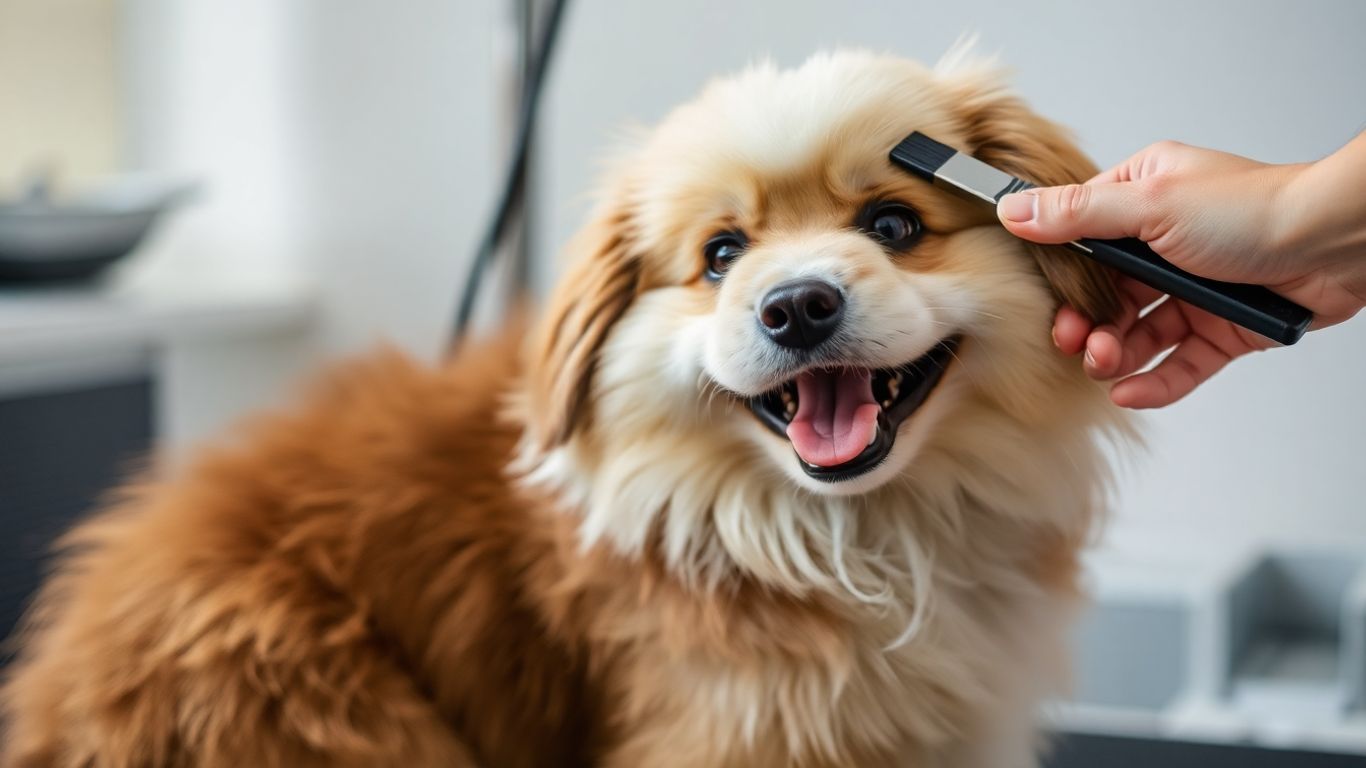
Keeping your dog comfortable and mobile is a big part of their overall health, and grooming plays a key role in that. It’s not just about looking good; it’s about feeling good too.
Nail Trims For Proper Paw Function
Long nails can really throw off how your dog walks. When nails get too long, they push the toes up and back, changing the way your dog’s paws contact the ground. This can lead to discomfort and even affect their joints over time. Regular trims help keep their paws aligned correctly, making walking and running much easier and more natural. It also prevents nails from snagging on carpets or other surfaces, which can be painful and cause injury. Think of it like wearing uncomfortable shoes all the time – it just makes everything harder.
Keeping Paws Tidy And Comfortable
Beyond just the nails, the fur around your dog’s paws needs attention. Long hair between the paw pads can collect dirt, mud, and even ice balls in the winter, leading to irritation and discomfort. Trimming this fur keeps the paws clean and dry, reducing the chance of infections or painful matting. It also helps with traction, especially on smooth floors. Don’t forget the dewclaws, those little extra nails on the side of the leg; they can easily get caught on things if they’re too long.
Addressing Irritants For Better Well-Being
Grooming is also your chance to check for and remove anything that might be bothering your dog. This includes:
Dirt and debris: Especially around the face, ears, and rear end, where things can get stuck.
Mats and tangles: These can pull on the skin and cause pain, hiding potential skin issues.
Parasites: Fleas and ticks can be spotted and removed during a good grooming session.
Dry or cracked skin: Using a pet-safe balm on paws can help prevent discomfort, especially in harsh weather.
Taking a few extra minutes during grooming to really look over your dog can catch small problems before they become big ones. It’s a proactive way to keep them feeling their best.
Oral Hygiene And Ear Care In Dog Grooming
Taking care of your dog’s mouth and ears might not be the most glamorous part of pet ownership, but it’s super important for their overall health. Think of it like this: you wouldn’t skip brushing your teeth or cleaning your ears, right? Well, your dog needs that attention too.
Brushing Teeth To Reduce Dental Disease
Let’s talk teeth. Bad breath is more than just unpleasant; it can be a sign of serious dental problems brewing. Plaque and tartar build-up aren’t just unsightly; they can lead to gum disease, which is painful and can even affect your dog’s heart, liver, and kidneys down the line. Making teeth brushing a regular part of your routine, even just a few times a week, can make a huge difference. You don’t need fancy equipment. A dog-specific toothbrush and toothpaste are a good start. If your dog isn’t a fan of brushing, try using a finger brush or even a soft washcloth to gently wipe their teeth and gums. Some people have success putting pet-friendly toothpaste on a treat to get their dog used to the taste first.
Gentle Ear Cleaning For Infection Prevention
Floppy-eared dogs, in particular, can be prone to ear infections. All that lovely floppy ear can trap moisture and debris, creating a cozy home for bacteria and yeast. Regularly checking and gently cleaning your dog’s ears can help prevent these painful issues. You’ll want to use a vet-approved ear cleaner and a soft cloth or cotton ball to wipe away any gunk. Never stick anything deep into the ear canal – that’s a fast track to injury. Just focus on the visible parts of the ear flap and the entrance to the canal. If you notice any redness, swelling, a foul odor, or if your dog is shaking their head a lot, it’s time to call the vet.
When To Consult Your Veterinarian About Ears And Teeth
While regular grooming helps you stay on top of things, there are times when professional help is needed. If you notice persistent bad breath that doesn’t improve with brushing, significant tartar build-up, bleeding gums, or loose teeth, it’s definitely time for a vet visit. Similarly, for ears, if you see dark, crumbly debris that looks like coffee grounds (a common sign of ear mites), or if your dog seems to be in pain or has a discharge, don’t delay. Your vet can offer professional cleaning, dental treatments, or prescribe medication for infections. They can also give you personalized advice on the best products and techniques for your specific dog’s needs.
Emotional Well-Being And Dog Grooming
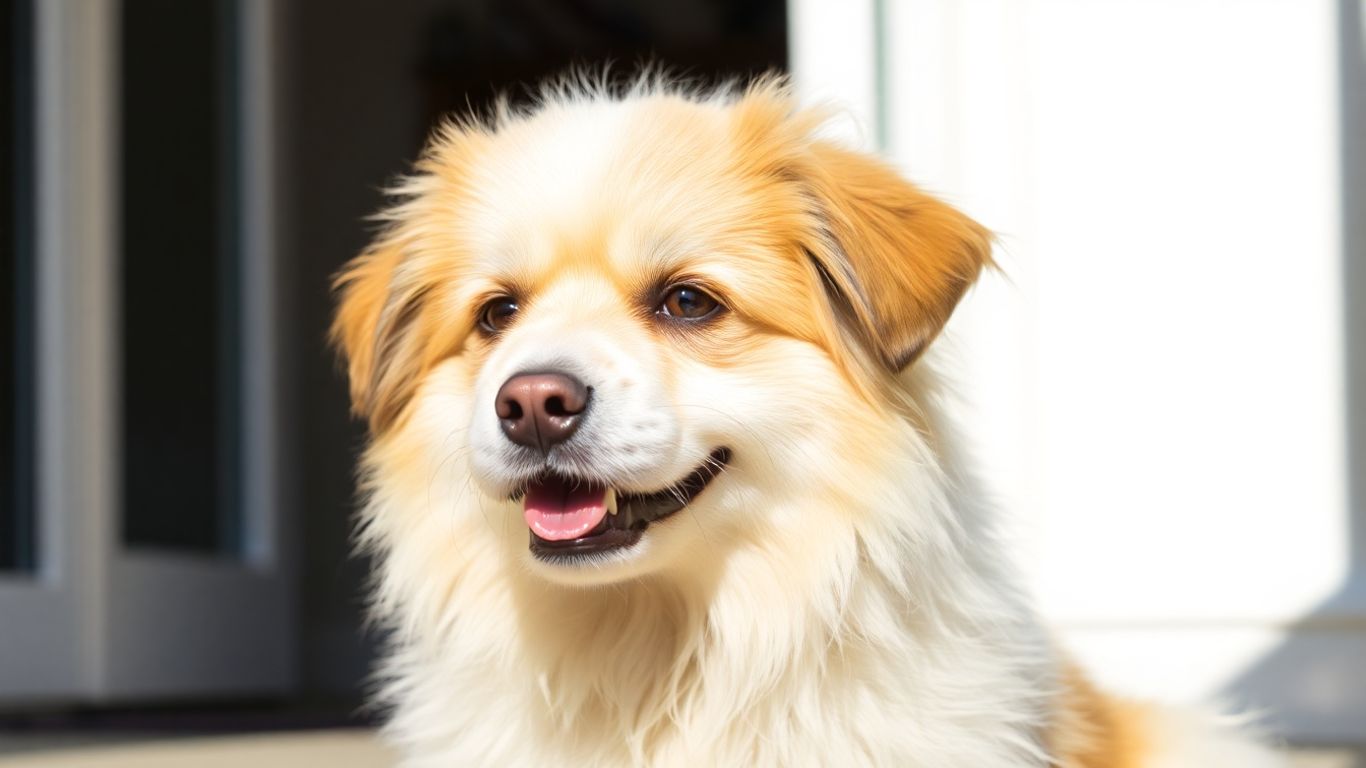
It’s easy to think of grooming as just a way to keep your dog looking good, but it’s so much more than that. For your dog, a good grooming session can actually make them feel better, mentally and emotionally. Think about how you feel after a nice shower and a good haircut – pretty refreshed, right? Dogs can get that same kind of boost.
Reducing Anxiety Through Grooming Routines
Dogs really like knowing what to expect. When you make grooming a regular thing, and do it gently, it can become a calm and predictable part of their week. This routine helps them feel secure. It’s not just about the physical cleaning; it’s about building trust. When you’re patient and use positive reinforcement, like treats and praise, your dog learns that grooming time is safe and even enjoyable. This can be a big help for dogs who get nervous easily. Getting them used to being handled from a young age is a great way to build this comfort. If you’re just starting out, remember to take it slow and keep the sessions short. You can always ask a professional groomer for tips on how to make it a positive experience for your specific dog.
Building Confidence With A Clean Coat
When your dog is free from mats, itchy skin, or uncomfortable paws, they just seem to carry themselves differently. They move more freely, are more playful, and generally seem happier. A dog that feels good physically is often a more confident dog. Imagine how you’d feel if you had a constant itch you couldn’t scratch – not great! Grooming takes care of those little discomforts. Plus, a clean, well-maintained coat can make them feel more presentable, which might sound silly, but it can impact their overall demeanor. It’s like they’re saying, “Look at me, I feel great!”
Strengthening the Pet-Owner Bond
Every grooming session is a chance for you and your dog to connect. It’s quiet time where you’re focused solely on them, and they’re receiving your attention. This focused interaction builds a stronger relationship. You learn more about your dog’s body, noticing any changes or sensitivities, and they learn to trust you more deeply. This shared experience, especially when done with patience and care, really solidifies the bond between you. It’s a practical way to show your dog you care about their well-being, and that’s something they understand and appreciate. For many owners, this time spent grooming is a highlight of their week, a quiet moment of connection with their furry family member. If you’re looking for ways to improve your dog’s overall health and happiness, consider the emotional benefits of regular grooming, which can be as significant as the physical ones. You might even find that your dog looks forward to these special moments with you, especially if you’re using gentle techniques and positive reinforcement. It’s a win-win for both of you, leading to a happier, healthier, and more connected life together. You can find more information on the benefits of professional grooming services here.
Navigating At-Home Versus Professional Dog Grooming
Deciding whether to tackle grooming yourself or book a professional appointment can feel like a big choice. Both have their upsides, and honestly, a mix of both often works best for most pet parents. It really comes down to your dog’s needs, your comfort level, and the time you have.
When To Seek Professional Grooming Expertise
Sometimes, a professional groomer is just the way to go. If your dog has a really thick or curly coat that’s prone to matting, or if they have skin that gets easily irritated, a pro has the right tools and know-how to handle it without causing discomfort. They’re also trained to spot subtle health issues you might miss, like lumps, bumps, or skin changes, during the grooming process. Plus, if your dog gets really stressed out by grooming, a professional groomer knows how to manage their anxiety and make the experience as calm as possible. They can handle tasks like deep de-shedding or specific breed cuts that are tricky to do at home. It’s a good idea to check out professional grooming services if you’re unsure about any aspect of grooming.
Creating A Safe Grooming Environment At Home
If you’re doing grooming at home, setting up a safe and calm space is key. Think about where you’ll bathe your dog – a bathroom with good drainage and non-slip mats is usually a good bet. Make sure you have all your supplies ready before you start: pet-specific shampoo, towels, brushes, and nail clippers. For bathing, it’s a good idea to let your dog burn off some energy first with a good play session. This can help them relax a bit. After the bath, be ready for the post-bath zoomies! Having a contained area, like a puppy pen or a specific room, can prevent them from running wild and potentially hurting themselves or damaging your home.
Combining Home Care With Professional Services
Most of the time, the best approach is a combination of at-home care and professional visits. You can handle the day-to-day stuff like brushing your dog a few times a week to keep tangles away and check their skin. Regular brushing is super important for preventing mats and keeping their coat healthy. Then, you can schedule professional grooming appointments every 4-8 weeks, depending on your dog’s breed and coat type. This way, your dog gets the benefits of regular maintenance from you, plus the thorough cleaning, clipping, and health checks that a professional provides. It’s all about keeping your furry friend happy and healthy from the tip of their nose to the end of their tail.
Keep Up The Great Work!
So, there you have it. Grooming your dog is way more than just making them look pretty. It’s a big part of keeping them healthy, comfortable, and happy, inside and out. Whether you’re doing the brushing and bathing at home or heading to a professional groomer, making it a regular thing really makes a difference. Your dog will thank you for it with wagging tails and happy barks. Keep up the good work, and enjoy that clean, happy pup!
Frequently Asked Questions
How often should I brush my dog?
The frequency of brushing really depends on your dog’s fur type. Dogs with long or thick coats might need brushing every day to prevent tangles and mats. Shorter-haired dogs might be fine with a brush a few times a week. It’s a good way to keep their coat healthy and shiny, and it helps you spot any skin problems early on.
What are 'zoomies' and how do they relate to grooming?
Zoomies are those sudden bursts of energy dogs get, often after a bath or grooming session. It’s like they’re so happy and excited about feeling clean that they just have to run around! While it’s fun to watch, it’s important to make sure they have a safe space to zoom so they don’t hurt themselves or knock things over.
Why is nail trimming so important for my dog?
Keeping your dog’s nails trimmed is super important for their comfort and how they walk. If nails get too long, it can hurt their paws and even change how they stand, which might lead to other problems down the road. It helps them walk better and prevents painful ingrown nails.
How can I tell if my dog has an ear infection during grooming?
When you’re cleaning your dog’s ears, look out for any redness, swelling, or a bad smell. Sometimes, you might see little black specks that look like coffee grounds, which could be ear mites. If you notice any of these signs, it’s best to ask your vet for advice.
Is it better to groom my dog at home or take them to a professional?
You can do a lot of grooming at home, like brushing and occasional baths. But professional groomers have special tools and know-how, especially for dogs with tricky coats or those who get nervous. It’s often a good idea to do regular home care and then see a professional every so often to make sure everything is handled perfectly.
How does grooming help my dog's emotional health?
Grooming can be a really calming and predictable routine for dogs, which makes them feel secure. When they’re clean, free of tangles, and comfortable, they tend to be more confident and happier. Plus, the time spent grooming together builds a stronger bond between you and your furry friend.
Comments