
Thinking about getting your first reptile? It’s a pretty cool idea! Reptiles have become super popular lately, and honestly, I get why. They’re different from your usual furry friends, and some of them are surprisingly easy to take care of. If you’re new to the reptile world, picking the right one is key. You want something that’s not going to be a huge hassle but will still be interesting to watch and maybe even handle. This list is all about helping you find that perfect scaly pal for 2025.
Key Takeaways
When picking a reptile, think about how much time and effort you can put into its care. Some need very specific temperatures or humidity levels.
The initial cost of a reptile and its habitat can add up. Cheaper to set up often means less complicated care.
Some reptiles live a really long time, like tortoises. Make sure you’re ready for that kind of long-term commitment.
Consider the adult size of the reptile. A small hatchling can grow into something much larger than you might expect.
Always do your homework on a specific species before bringing one home. Knowing their diet, habitat needs, and behavior is super important.
1. Leopard Geckos
Leopard geckos are a really popular choice for people just getting into keeping reptiles, and honestly, it’s easy to see why. These little guys are native to places like Pakistan and India, and they’ve got these cool spotted patterns that remind you of a leopard, hence the name. They don’t get too big, usually topping out around 7 to 11 inches, which is pretty manageable for most homes. Plus, they’re known for being pretty chill and not too skittish, which is a big plus when you’re new to this.
One of the best things about leopard geckos is that their care isn’t super complicated. You don’t need a whole fancy setup with tons of lights. A tank that’s about 10 to 20 gallons is usually fine for one adult, and you’ll want to make sure it has a warm side and a cool side so they can regulate their body temperature. A heat mat under the tank works well for this. While some people skip the UVB light, it’s generally a good idea to include a low-level one for their overall health. They’re also nocturnal, meaning they’re most active when it’s getting dark, so you get to see their little adventures at night.
Feeding them is pretty straightforward too. They mostly eat live insects like crickets, mealworms, or dubia roaches. It’s important to dust these insects with calcium and vitamin supplements to make sure the gecko gets all the nutrients it needs. Feeding them every other day is usually enough for adults.
Leopard geckos have a unique defense mechanism where they can drop their tails if they feel threatened. Don’t worry too much, though; their tails do grow back, even if the new one might look a bit different. It’s a good reminder to handle them gently.
These geckos can live for a good long time, often 15 to 20 years or even more with good care, so they’re a commitment, but a rewarding one. They come in a bunch of different colors and patterns too, so you can find one that really catches your eye. They’re just a really solid, friendly reptile for anyone starting out.
2. Bearded Dragons
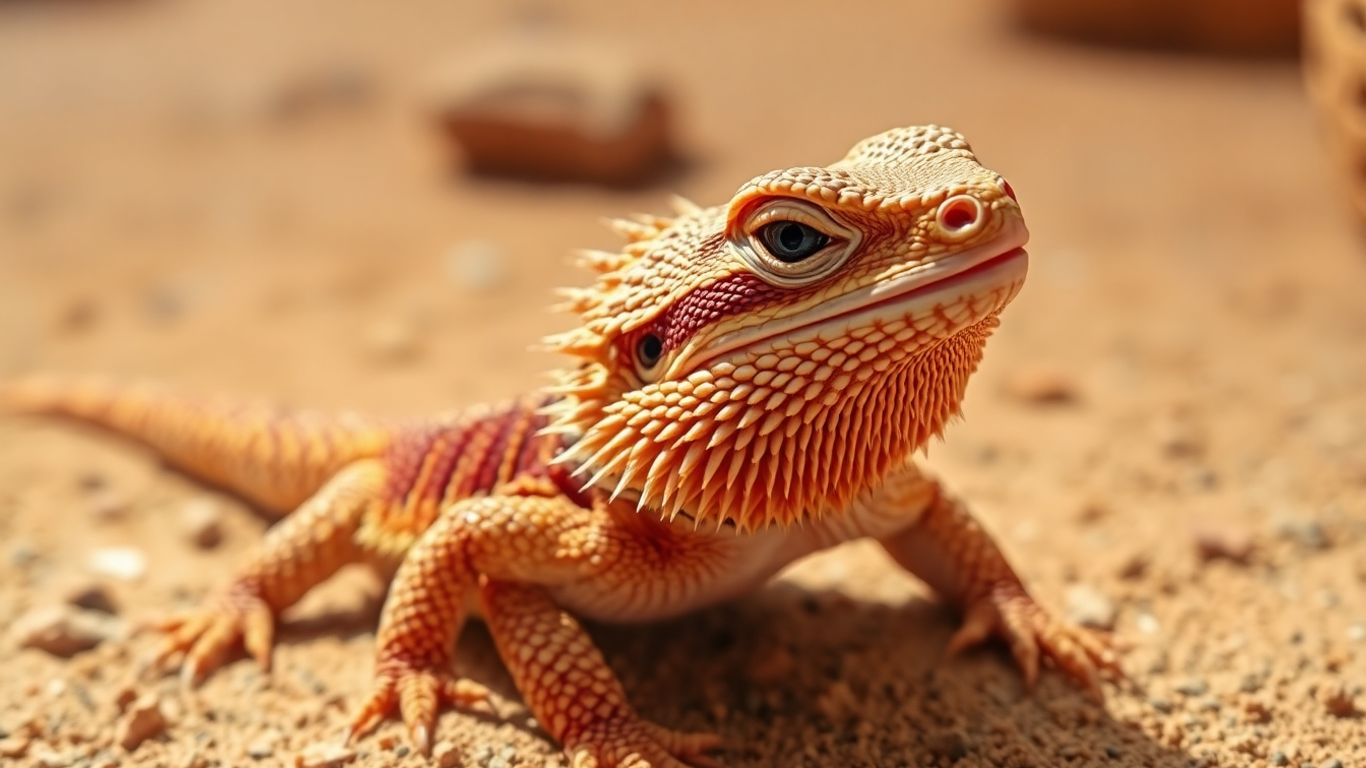
Bearded dragons, often called “beardies,” are a really popular choice for people new to keeping reptiles, and for good reason. These guys come from the desert areas of Australia and have a reputation for being super chill and friendly. They’re not like some other reptiles that want nothing to do with you; beardies often seem to enjoy interacting with their owners. You’ll see them do funny things like tilt their heads or wave their little arms, which makes them pretty entertaining.
One of the best things about them is how they handle. Because they’re a bit bigger and sturdier than some smaller lizards, they can handle being picked up and held more often. They can be active explorers when they’re warm, checking out their surroundings, but they also enjoy just chilling on your shoulder for a bit. Just remember they need their heat to digest food properly, so don’t let them get too cold for too long.
Their diet is a bit more involved than some other beginner pets, but it’s totally manageable. It mostly involves a mix of insects and fresh greens. You’ll need to make sure they have a good variety to stay healthy.
Diet: Primarily insects (like crickets and roaches) supplemented with leafy greens and some fruits.
Enclosure Size: An adult needs a fairly large tank, usually around 4 feet by 2 feet by 2 feet (about 120 gallons).
Temperament: Generally docile, curious, and tolerant of handling.
While their care needs are a step up from the absolute easiest reptiles, the reward is a pet that’s interactive and has a lot of personality. They can live for a good long time, often 15 years or more, so it’s a commitment, but a really rewarding one if you’re prepared.
Getting a bearded dragon is pretty easy, as they’re widely available from reputable breeders. Just make sure you’re getting one from a good source and not a big box store.
3. Corn Snakes
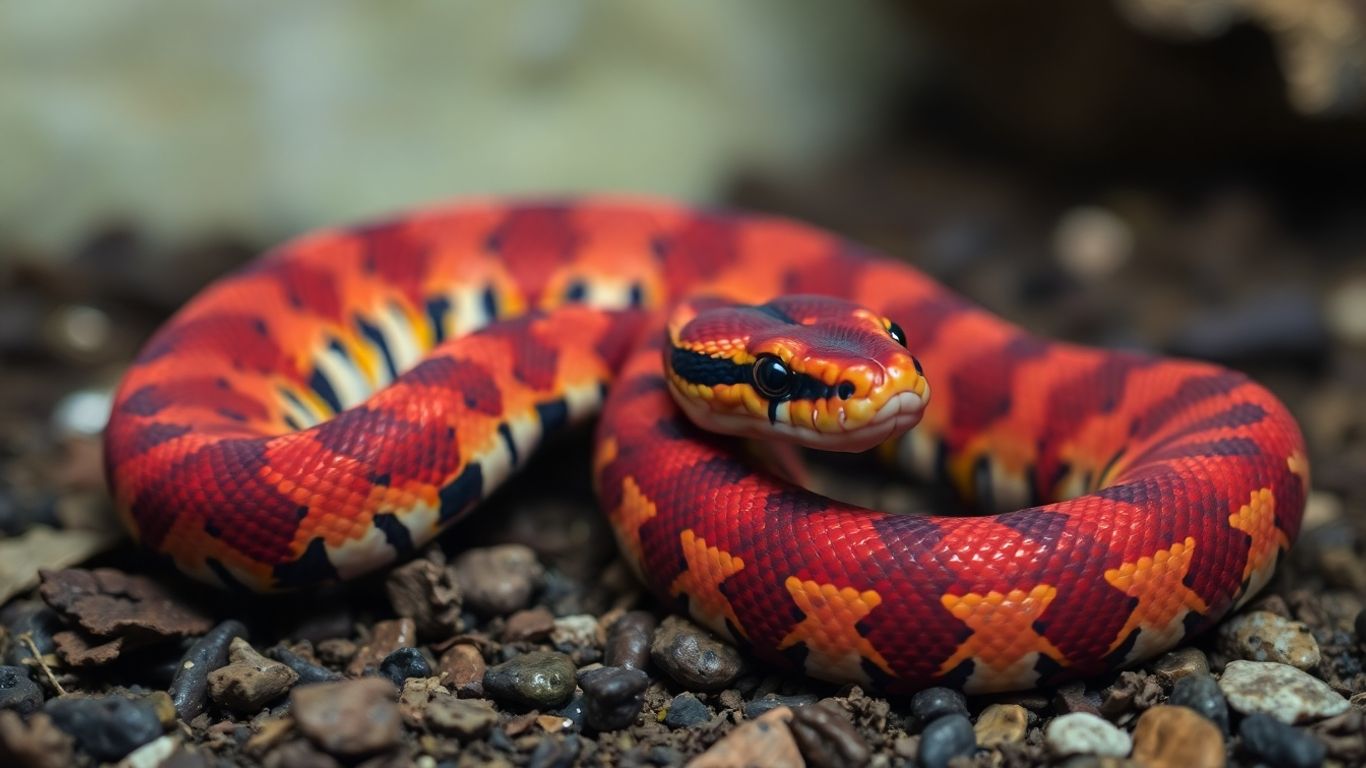
Corn snakes are a fantastic choice for anyone just getting into keeping reptiles. Seriously, these guys are super popular for a reason. They’ve got these really cool patterns and colors, often in shades of orange, red, and brown, which is how they got their name – they look a bit like Indian corn. Their generally calm and curious nature makes them pretty easy to handle, even for beginners. They aren’t usually aggressive and tend to be more interested in exploring than anything else.
Setting up a home for a corn snake isn’t overly complicated. You’ll want an enclosure that’s secure because they can be escape artists! It needs a temperature gradient, meaning one side is warmer than the other, so they can move around to regulate their body temperature. Think around 80-85°F on the warm side and about 75°F on the cool side. They also like to burrow, so a good substrate is a must.
Feeding is pretty straightforward too. They eat rodents, and you’ll want to offer pre-frozen, thawed ones. It’s a good idea to leave them alone for a day or two after they eat to help with digestion. Babies might be a little jumpy at first, but they usually calm down as they get older and more used to being handled. Plus, there are so many different morphs (color and pattern variations) available, you can find one that really catches your eye. They can live for a good 15-20 years with the right care, so they’re a long-term pet.
Here’s a quick look at their basic needs:
Enclosure Size: A 20-gallon tank is usually fine for an adult, but bigger is always better.
Temperature: A gradient from 75-85°F is ideal.
Humidity: Moderate humidity is best, around 40-60%.
Diet: Pre-frozen, thawed rodents (mice or rats) appropriate for their size.
Lifespan: 15-20 years or even longer.
Corn snakes are known for their docility and ease of care, making them a top pick for first-time reptile keepers. Their striking appearance and manageable needs mean you get a lot of reptile personality without a lot of hassle.
4. Crested Geckos
Alright, let’s talk about crested geckos, or “cresties” as they’re often called. These little guys are seriously cool and surprisingly easy to care for, which is a big win for anyone just starting out with reptiles. They come from New Caledonia, and honestly, they look like something out of a fantasy movie with those neat crests running from their eyes to their tails. Plus, their big eyes and what looks like a permanent smile just make them super charming.
These geckos are arboreal, meaning they love to climb. So, think tall tanks with lots of branches, vines, and fake plants for them to explore. They don’t need a massive setup, just a decent-sized glass terrarium with a secure mesh top will do. Humidity is pretty important for them, so you’ll want to mist their enclosure regularly to keep it around 60-80%, kind of like their natural rainforest home. It’s a simple routine, really.
Feeding them is also a breeze. There’s this special powder mix you can get just for crested geckos, and that’s pretty much their main meal. You can toss in some fruit puree or a few small insects as a treat now and then, but the powder does the heavy lifting nutritionally. It’s a relief not to have to worry about a complex diet.
One quirky thing about cresties is that they don’t have eyelids. Instead, they use their tongues to clean their eyes, which is kind of wild to watch! Also, they have a prehensile tail, which is handy for them, but be aware that they can drop their tails if they get stressed. It’s a defense mechanism, and while it might be a shock the first time it happens, they live perfectly fine without it. Just remember, unlike some other geckos, their tails don’t grow back.
Here’s a quick rundown of what you’ll generally need:
A tall terrarium (around 18x18x24 inches for an adult)
Substrate like coconut fiber or a peat moss mix
Branches, vines, and artificial plants for climbing
A food ledge and water dish
A spray bottle for misting
A commercial crested gecko diet powder
Optional: Live plants and a
5. Ball Pythons
Ball pythons, also known as royal pythons, are a fantastic choice for anyone dipping their toes into snake ownership. These snakes hail from West and Central Africa and are famous for their incredibly chill personalities. When they get spooked, they tend to curl up into a tight ball, hence the name, tucking their head in safely. It’s pretty endearing, honestly.
Their manageable size, typically reaching three to five feet as adults, makes them perfect for smaller living spaces. Plus, they’re not picky eaters, usually taking down appropriately sized mice or rats. Juveniles might eat every week or so, while adults can go a bit longer between meals, maybe once every two weeks. This infrequent feeding schedule is a big plus for busy beginners.
What really sets ball pythons apart, though, is the sheer variety of morphs available. Breeders have worked their magic to create hundreds of different color and pattern combinations. You can find them in shades of yellow, black, and even with striking white patches. It’s like having a unique piece of living art.
Setting up their home isn’t too complicated either. They need a secure enclosure, usually around a 4x2x2 foot tank, with a good temperature gradient. You’ll want one end warmer, around 88-90°F, and the other cooler, about 75-80°F. Humidity is also important, so keeping it between 50-60% is key. A simple under-tank heater or a ceramic heat emitter can do the trick.
Ball pythons are known for their docile nature and are generally quite tolerant of handling once they get used to you. They aren’t prone to biting unless they feel truly threatened or are startled, making them a less intimidating option than some other snakes.
Here’s a quick rundown of what they need:
Enclosure: A 4x2x2 foot tank is a good starting point for an adult.
Temperature: A basking spot around 88-90°F and a cool side around 75-80°F.
Humidity: Aim for 50-60%.
Substrate: Aspen shavings or coconut fiber work well.
Diet: Appropriately sized mice or rats, offered every 1-2 weeks depending on age.
6. Spotted Pythons
If you’re looking for a snake that’s a bit less common than the usual suspects but still super manageable for a first-timer, the Spotted Python might be your jam. These guys are native to Australia and are known for being pretty hardy, which is a big plus when you’re still learning the ropes of reptile care. They don’t get too big, usually topping out around 3 to 4 feet, making them easy to handle and house without needing a massive enclosure.
One of the best things about Spotted Pythons is their appetite. Unlike some snakes that can be picky eaters and go on hunger strikes that freak out new owners, these pythons tend to eat reliably. You’ll typically feed an adult one mouse a week, which is pretty straightforward. They’re also semi-arboreal, meaning they like to climb a bit, so providing some branches in their tank makes for a more interesting setup for them and a cool display for you.
Their temperament is generally quite docile, making them a great choice for someone new to snake ownership. They’re visually stunning too, with beautiful patterns that make each individual unique.
Here’s a quick rundown of what to expect:
Size: Adults typically reach 3-4 feet in length.
Temperament: Generally calm and handleable.
Diet: Primarily mice, fed weekly for adults.
Habitat: Needs an enclosure with climbing opportunities and proper temperature/humidity gradients.
Spotted Pythons are a fantastic middle-ground option. They offer a unique look and a more engaging display than some other beginner snakes, without the complex care requirements that can overwhelm a novice keeper. They’re a solid choice for anyone wanting a beautiful, relatively low-maintenance constrictor.
7. Pink Tongue Skinks
Alright, let’s talk about Pink Tongue Skinks, or PTS for short. These guys are seriously underrated lizards and honestly, I’m not sure why they aren’t more popular. They’re kind of like a smaller, more arboreal version of the Blue Tongue Skink, but with a bit less fuss. This means they don’t need a massive enclosure, which is a big plus for beginners.
Pink Tongue Skinks are known for being super docile and generally easy to handle. They’re not usually nippy, and because they’re semi-arboreal, they tend to grip onto you a bit better than their larger cousins. It’s a nice feeling when a pet is comfortable with you! They’re also captive-bred, which is always a good sign when you’re looking for a new pet.
Their diet is pretty varied, which is another win. You can feed them insects, fruits, veggies, and even some commercial reptile foods. This makes it easier to keep them happy and healthy without having to constantly source live feeders, though a few live insects now and then are still good for them. You can even find prepared diets like Repashy’s Bluey Buffet that make feeding even simpler. It’s a good idea to check out beginner reptile food options to see what works best.
Here’s a quick look at what they need:
Enclosure Size: A 36″L x 18″W x 24″H tank is usually sufficient for an adult. Remember, only one skink per enclosure to avoid any squabbles.
Temperature: Aim for a basking spot around 85-90°F, with a cooler side in the mid-70s.
Humidity: Keep it moderate, around 40-60%.
Substrate: A mix of soil, sand, and coconut fiber works well.
While they might cost a bit more upfront compared to some other beginner reptiles, their manageable size, calm demeanor, and varied diet make them a really rewarding pet. They’re just cool lizards that don’t demand a ton of specialized care once you have their setup right.
8. Russian Tortoises
Russian Tortoises, also known as Horsfield’s Tortoises, are a fantastic choice for folks dipping their toes into the world of reptile ownership. These little guys are pretty hardy and don’t get too big, usually topping out around 6 to 10 inches in length. That manageable size makes them easier to house compared to some of the giants out there.
They’re known for being pretty chill and generally don’t cause a fuss. You’ll want to set them up with a good enclosure that has a warm spot for basking and a cooler area. Since they like to dig, a substrate that allows for burrowing is a good idea. Think about a tortoise table or a large vivarium – they need space to roam a bit.
Their diet is mostly vegetarian. You’ll be feeding them a mix of grasses, weeds, and leafy greens. Think dandelion greens, clover, and other safe weeds you might find. Occasional small amounts of fruit can be offered, but it shouldn’t be a main part of their diet. Always make sure they have fresh water available.
One thing to really keep in mind is their lifespan. Russian Tortoises can live for 40 to 50 years, sometimes even longer. This isn’t a pet you get for a few years; it’s a long-term commitment, potentially spanning decades. So, before you bring one home, make sure you’re ready for that kind of dedication.
Here’s a quick rundown of what they generally need:
Enclosure: A spacious tortoise table or large vivarium (at least 3-4 feet long).
Temperature: A basking spot around 90-95°F (32-35°C) and a cooler area in the 70s°F (21-26°C).
Lighting: Full-spectrum UVB lighting is a must for their health.
Diet: Primarily grasses, weeds, and leafy greens. Limited fruits.
Humidity: They prefer drier conditions, so avoid high humidity.
They’re pretty active explorers, often seen munching on greens or digging around. While they’re generally docile, gentle handling from a young age can help them get used to you. Just remember they’re not exactly cuddly pets; they’re more for observing and appreciating their unique, slow-paced lives.
9. Hermann's Tortoises
Hermann’s tortoises are a fantastic choice if you’re looking for a smaller, manageable tortoise that’s still full of personality. They hail from Southern Europe and North Africa, so they really enjoy warmth and sunshine. These guys are known for being pretty docile and curious, which makes them a joy to observe. They aren’t the type to get overly stressed by gentle handling, though they definitely prefer their own space most of the time.
When setting up a home for your Hermann’s, think Mediterranean. They need a good-sized enclosure, ideally with outdoor access during warmer months so they can really stretch their legs and do some grazing. Indoors, you’ll need a setup that provides a temperature gradient, with a basking spot reaching around 90-95°F (32-35°C) and cooler areas in the 70s°F (21-26°C). Don’t forget a reliable UVB light source; it’s super important for their health, especially for processing calcium. A substrate like coco coir mixed with sand works well, allowing them to burrow a bit.
Diet-wise, these tortoises are herbivores. Their main food should be a mix of leafy greens like dandelion greens, collard greens, and turnip greens. You can supplement this with a little bit of tortoise-safe weeds and the occasional small piece of fruit, but keep the fruit to a minimum. Fresh water should always be available in a shallow dish they can easily get in and out of. Proper nutrition is key to preventing shell issues and keeping them healthy for the long haul. It’s important to get the diet right, as it’s one of the main things you’ll be managing day-to-day. Caring for a tortoise involves several key steps to ensure they thrive.
Here’s a quick rundown of what they generally need:
Habitat: A spacious enclosure (at least 4×2 feet for an adult) with a good temperature gradient and UVB lighting.
Diet: Primarily leafy greens and weeds, with limited fruit.
Water: Always available in a shallow dish.
Enrichment: Opportunities to explore, burrow, and bask.
Hermann’s tortoises can live for a very long time, often 50 years or more. This means they are a significant commitment, so be sure you’re ready for a pet that could be with you for a huge chunk of your life. They’re not a ‘starter’ pet in the sense of being disposable, but their calm nature makes them a wonderful companion for the right person or family.
10. Horsfield's Tortoises
Horsfield’s tortoises, also known as Russian tortoises, are a solid choice for beginners looking for a hardy, relatively small shelled friend. These little guys are quite active and love to explore, so providing them with enough space is key. They’re generally pretty chill and don’t demand a ton of fuss, which is a big plus when you’re just starting out.
When setting up their home, think about a good-sized enclosure, maybe a tortoise table or a spacious vivarium, around 3 feet long at least. They need a heat source to keep them warm and a UVB light to help them process calcium – super important for their shell health. A varied diet of leafy greens, weeds, and fibrous plants is what they thrive on, with fresh water always available. You’ll want to make sure their environment is secure, especially if they’re going to spend time outdoors, as they do enjoy digging.
Here’s a quick rundown of what they generally need:
Enclosure: A minimum of a 3-foot tortoise table or a similarly sized vivarium.
Lighting & Heating: A dedicated heat lamp and a UVB bulb are non-negotiable.
Diet: Primarily leafy greens and weeds, with occasional small amounts of vegetables.
Activity: They are active foragers and enjoy opportunities to explore.
These tortoises can live for a good long while, often 40 to 50 years, so it’s a commitment. They’re known for being gentle and curious, making them a rewarding pet for those ready for a long-term companion. If you’re looking for a pet that’s interesting to watch and doesn’t require constant handling, the Horsfield’s tortoise might be just the ticket. You can find these tortoises and all the necessary supplies at places like Appleton Exotics.
Wrapping It Up
So, there you have it! Picking out your very first reptile can feel like a big step, but with the right research and by choosing one of these beginner-friendly species, it can be a really rewarding experience. Remember, even the ‘easiest’ reptiles need specific care, so always do your homework before bringing one home. Whether you’re drawn to the chill vibes of a leopard gecko or the curious nature of a bearded dragon, there’s a scaled friend out there waiting to join your family. Happy herping!
Frequently Asked Questions
What are the most important things to consider before getting a pet reptile?
Before you bring a reptile home, think about how much space you have, how much time you can spend caring for it, and how long it will live. Some reptiles need big homes and lots of attention, while others are happy with less. It’s also important to know that some reptiles can live for many, many years, so it’s a big commitment!
Are reptiles hard to take care of?
Some reptiles are easier to care for than others. The ones on this list are generally good for beginners because they don’t need super-special conditions. You still need to learn about their specific needs for food, temperature, and keeping their home clean, but they are more forgiving if you make a small mistake.
Do reptiles need special lighting?
Yes, most pet reptiles need special lighting. This usually includes a heat lamp to keep them warm and a UVB light. The UVB light helps them process calcium, which is super important for their bones. Always check what kind of lighting your specific reptile needs.
What do beginner reptiles eat?
What reptiles eat depends on the type. Many beginner reptiles, like leopard geckos and bearded dragons, eat insects like crickets and mealworms. Some, like bearded dragons, also eat veggies and fruits. Snakes usually eat rodents. It’s really important to feed them the right foods in the right amounts.
Can I handle my pet reptile?
Most of the reptiles recommended for beginners are okay with being handled gently. It’s best to let them get used to you slowly. Always be gentle and calm when you pick them up. Some reptiles prefer to be watched more than held, so it’s good to know your pet’s personality.
How long do pet reptiles live?
Reptile lifespans can be quite long! For example, tortoises can live for many decades, sometimes even longer than humans. Leopard geckos might live 10-20 years, and bearded dragons around 10-15 years. This means getting a reptile is a long-term commitment, so be prepared for years of care.
Comments