
Bringing a Golden Retriever puppy home is super exciting, especially for busy families. It feels like a new baby is arriving, and you want to get everything just right. The first month is all about helping your new furry friend settle in, learn the ropes, and become a happy part of your household. This plan is designed to make those initial weeks smoother, even with a packed schedule, focusing on what truly matters for your Golden Retriever puppy’s adjustment and your family’s well-being.
Key Takeaways
Get your home ready before your Golden Retriever puppy arrives by setting up a safe space and puppy-proofing.
Establish a predictable daily routine for feeding, potty breaks, and playtime to help your puppy adjust.
Start socialization and basic training early to help your Golden Retriever puppy grow into a well-behaved dog.
Find a good veterinarian and consider puppy classes to support your puppy’s health and development.
Celebrate reaching the 30-day mark by continuing positive reinforcement and preparing for future vet visits.
Preparing For Your Golden Retriever Puppy's Arrival
Bringing a Golden Retriever puppy home is a big deal, especially for busy families. It’s not just about having a cute new member; it’s about setting them up for a happy, well-adjusted life with you. A little prep work beforehand can make a world of difference.
Essential Gear For Your New Companion
Before your furry friend even steps paw in your house, you’ll want to have the basics ready. This isn’t about spoiling them, but about having what you need for their comfort and safety. Think of it like getting ready for a new baby – you need the essentials.
Food and Water Bowls: Stainless steel or ceramic are good choices, easy to clean and durable.
High-Quality Puppy Food: Talk to your vet or breeder about the best food for your Golden’s age and breed.
Collar and Leash: A lightweight collar with an ID tag is a must. A standard leash works well for walks.
Crate: This will be their den, a safe space. Make sure it’s big enough for them to stand, turn around, and lie down comfortably.
Bedding: Soft, washable bedding for their crate and a comfy spot elsewhere.
Toys: A variety of chew toys, puzzle toys, and soft toys for play and comfort. Rotate these to keep things interesting.
Puppy-Proofing Your Home
Puppies are naturally curious, and like toddlers, they explore with their mouths. Your home needs to be a safe zone. This means getting down on their level and looking for potential hazards.
Electrical Cords: Tuck them away or use cord covers. Puppies love to chew, and live wires are dangerous.
Chemicals and Medications: Store all cleaning supplies, medications, and even human food items like chocolate or xylitol (a sweetener) in high, locked cabinets.
Small Objects: Keep small items like coins, buttons, jewelry, and small toys out of reach. These can be choking hazards.
Trash Cans: Use bins with secure lids, especially in the kitchen and bathroom.
Plants: Many common houseplants are toxic to dogs. Research your plants and move any that are harmful.
Creating A Safe Haven
Your puppy needs a place where they can feel secure and relax. This is often their crate, but it can also be a designated corner of a room.
The Crate: Make it inviting with soft bedding and a favorite toy. Never use the crate for punishment. Feed them meals inside the crate with the door open initially to build positive associations.
Quiet Space: Ensure this area is away from high-traffic zones in your home. You don’t want them constantly disturbed when they’re trying to rest.
Familiar Scents: If possible, bring a blanket or toy that smells like their mother or littermates from the breeder. This can help ease their transition.
Preparing your home and having these items ready before your puppy arrives will help them settle in much faster. It shows them they are welcome and safe, which is the best start you can give them.
Establishing A Daily Routine For Your Golden Retriever Puppy
Puppies, much like little kids, really thrive on a predictable schedule. Having a routine from day one helps your new Golden Retriever puppy feel secure and understand what’s expected. It’s not just about making your puppy’s life easier, though; a good schedule makes life simpler for everyone in the family too. You don’t need to plan every single minute, but focusing on a few key areas can make a big difference between a well-behaved dog and a chaotic household.
Consistent Feeding Schedule
Feeding your puppy at the same times each day is super important. Most puppies need to eat three times a day until they’re about six months old. Try to line up their meal times with your own breakfast, lunch, and dinner. Always make sure they have fresh water available. Fixed meal times also help you predict when your puppy will need to go potty, which is a huge help for house training.
Scheduled Potty Breaks
Taking your puppy out for potty breaks needs to be a regular thing. Aim for at least every two to four hours, and always take them out right after they wake up, after eating, and after playing. This consistent schedule is key to minimizing accidents inside the house and teaching your puppy where they should go. It might seem like a lot of trips outside at first, but it pays off big time.
Balancing Playtime and Rest
Golden Retriever puppies have a ton of energy, but they also need a lot of sleep – around 16 to 18 hours a day! It’s important to schedule in both active playtime and quiet rest times. Short, frequent play sessions are usually better than one long one. When it’s naptime, try to provide a quiet space, like their crate, but don’t worry about making the whole house silent. They need to get used to everyday household sounds. This helps them adjust to different environments and makes training a Golden Retriever puppy more manageable.
A predictable routine helps prevent common puppy issues like separation anxiety and excessive barking. It provides structure and builds confidence for your new furry family member.
Here’s a sample schedule to get you started:
7:00 AM: Wake up, potty break, breakfast, short play session.
8:00 AM: Potty break, then naptime.
9:00 AM: Potty break, playtime.
10:30 AM: Potty break, then naptime.
12:00 PM: Potty break, lunch, playtime/exercise outside.
2:00 PM: Potty break, then naptime.
3:00 PM: Potty break, playtime outside or a short walk.
4:30 PM: Potty break, then naptime.
5:30 PM: Potty break, dinner, playtime, and a quick training session.
7:30 PM: Final potty break before bedtime in their crate.
Before you go to bed: One last potty break.
Socialization And Early Training For Your Golden Retriever Puppy
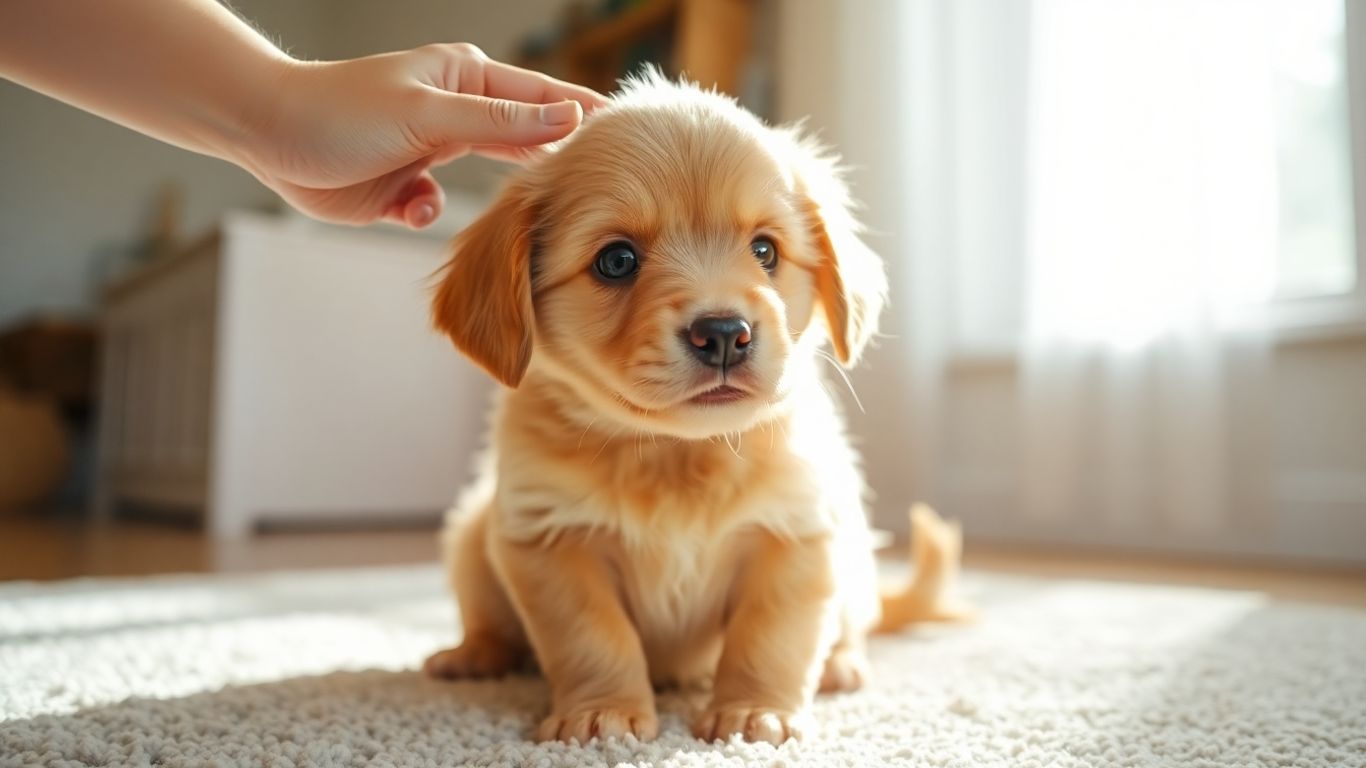
Bringing a new puppy home is exciting, but it’s also a critical time for shaping their future behavior. This is where socialization and early training come into play. Think of it as laying the foundation for a well-adjusted, happy dog. The period between 8 and 16 weeks is a golden window for socialization. During these weeks, your puppy is like a sponge, absorbing information about the world around them. What they experience now will stick with them.
The Importance Of Early Socialization
Socialization isn’t just about meeting other dogs; it’s about exposing your puppy to a wide variety of sights, sounds, people, and environments in a positive way. A well-socialized puppy grows into a confident adult who isn’t fearful or reactive in new situations. This means your dog can handle a trip to the vet, a walk in a busy park, or meeting new people without getting overly stressed.
People: Introduce your puppy to different types of people – men, women, children, people wearing hats, people with beards, etc. If you don’t have children, arrange visits with friends who do.
Environments: Safely expose your puppy to different places. Start in your home and yard, then gradually introduce them to quiet streets, then busier ones, and eventually places like pet-friendly stores (once fully vaccinated).
Sounds: Let your puppy hear everyday noises like the vacuum cleaner, traffic, doorbells, and even thunderstorms (from a safe distance initially).
Other Animals: Once your vet gives the okay and your puppy is vaccinated, arrange controlled introductions with healthy, vaccinated, and well-behaved adult dogs.
It’s important to manage these introductions carefully. You want your puppy to have positive experiences, not overwhelming or scary ones. If your puppy seems scared, back off and try again later with less intensity.
Introducing Your Puppy To New Experiences
When your puppy first arrives, let them settle in. After a few days, you can start introducing them to new things. Keep these introductions short and sweet. For example, let them see and sniff the family cat from a distance, rather than forcing an interaction. Invite a few calm friends over to meet the puppy, but ask them to let the puppy approach them first. If you have friends with children, have them sit on the floor and let the puppy come to them. This helps build positive associations.
Basic Training Commands
Training should start right away, focusing on positive reinforcement. This means rewarding good behavior with treats, praise, or toys. Keep training sessions short, around 5-10 minutes, a few times a day. Puppies have short attention spans!
Here’s a look at what you can focus on in the early weeks:
Name Recognition: Start by saying their name and rewarding them when they look at you.
Potty Training: This is ongoing, but consistency is key. Take them out frequently, especially after waking up, eating, and playing.
“Sit”: Hold a treat above their nose and move it back over their head. As their head goes up, their rear should go down. Reward them when they sit.
“Come”: Use a happy, encouraging tone. When they come to you, reward them enthusiastically.
Remember, consistency and patience are your best friends. Every puppy learns at their own pace. Celebrate the small wins, and don’t get discouraged by setbacks. If you’re feeling overwhelmed, consider enrolling in a puppy class. These classes are fantastic for both socialization and learning basic obedience in a structured environment.
Navigating The First Few Weeks With Your Golden Retriever Puppy
Adjusting To A New Home
Bringing a new puppy home is a big change, not just for them, but for your whole family too. Your little Golden Retriever has just left everything they’ve ever known – their littermates, their mom, and their familiar surroundings. It’s totally normal for them to feel a bit overwhelmed or even shy at first. Think of it like bringing a new baby home; you want to go slow and be patient. For the first few days, let your puppy explore their new space at their own pace. Keep things calm and quiet, and try to stick to the routine you’ve already started establishing. This helps them feel secure. A good strategy is to designate one area of your home, like the kitchen, as their main space using baby gates. This keeps them safe and makes it easier to supervise, especially if you have young children. Remember, your job is to protect your puppy from being overwhelmed, whether it’s by excited kids or well-meaning visitors. Letting them settle in is key during this adjustment period.
Managing Puppy Teething And Chewing
Get ready for some chewing! Around 13 to 16 weeks, your Golden Retriever puppy will start teething, and their gums will be sore. This means they’ll want to chew on everything to relieve the discomfort. It’s your job to redirect this natural behavior. Make sure you have a good variety of puppy-safe chew toys available. When you catch your puppy chewing on something they shouldn’t, like a table leg or your favorite shoe, calmly take it away and immediately offer them one of their own toys. You can also try using a bitter-tasting spray on furniture legs or other tempting items to make them less appealing. Consistency is important here; keep offering appropriate alternatives and praising them when they choose the right thing to chew on. This phase can be a bit messy, but it’s temporary!
Building A Bond With Your Puppy
This is where the magic happens. The first few weeks are your prime time to build a strong, loving connection with your Golden Retriever. Spend lots of quality time together. This means playing games, going for short walks (once your vet gives the okay and they’re vaccinated), and just relaxing together. Gentle petting, soft praise, and positive interactions are the building blocks of trust. Training sessions, even short ones, are also a great way to bond. When your puppy looks to you for guidance and responds to your cues, that connection deepens. Remember that your puppy wants to please you, so celebrating their successes, no matter how small, with treats and affection goes a long way. By the end of the first month, you’ll likely see a noticeable shift as your puppy becomes more confident and attached to you and your family.
Essential Services For Your Golden Retriever Puppy
Bringing a new puppy home is exciting, but it also means setting up some important services to keep your furry friend healthy and happy. Think of these as the foundational pillars for your puppy’s well-being.
Finding A Veterinarian
Your vet is going to be your go-to person for all things health-related. It’s wise to find a veterinarian before your puppy even arrives. This way, you can schedule that first check-up soon after bringing them home. They’ll give your puppy a thorough once-over, discuss vaccination schedules, and answer any questions you have about their health. You’ll want to talk about things like microchipping for identification and potentially pet insurance to help manage unexpected medical bills. Your vet can tailor advice based on your puppy’s specific needs discussing spaying or neutering.
Considering Puppy Training Classes
While you’ll be doing a lot of training at home, formal classes offer a structured environment for your puppy to learn and socialize. These classes are great for teaching basic commands and good manners. More importantly, they allow your puppy to interact with other dogs and people in a controlled setting. This early socialization is key to developing a confident, well-adjusted adult dog. Look for classes that focus on positive reinforcement methods.
Grooming Needs For Your Golden Retriever
Golden Retrievers have beautiful coats that require regular care. You’ll want to get them used to grooming early on. This includes:
Brushing: Daily brushing with a slicker brush and a comb will help prevent mats and keep their coat shiny. It also distributes natural oils.
Bathing: Bathe your puppy as needed, typically when they get dirty. Use a gentle puppy shampoo.
Nail Trimming: Regular nail trims prevent overgrowth and discomfort. If you’re not comfortable doing this yourself, your vet or a groomer can help.
Ear Cleaning: Goldens can be prone to ear infections, so check their ears regularly and clean them gently with a vet-approved solution.
Getting your puppy accustomed to these grooming routines now will make future sessions much easier for both of you.
Celebrating Milestones With Your Golden Retriever Puppy
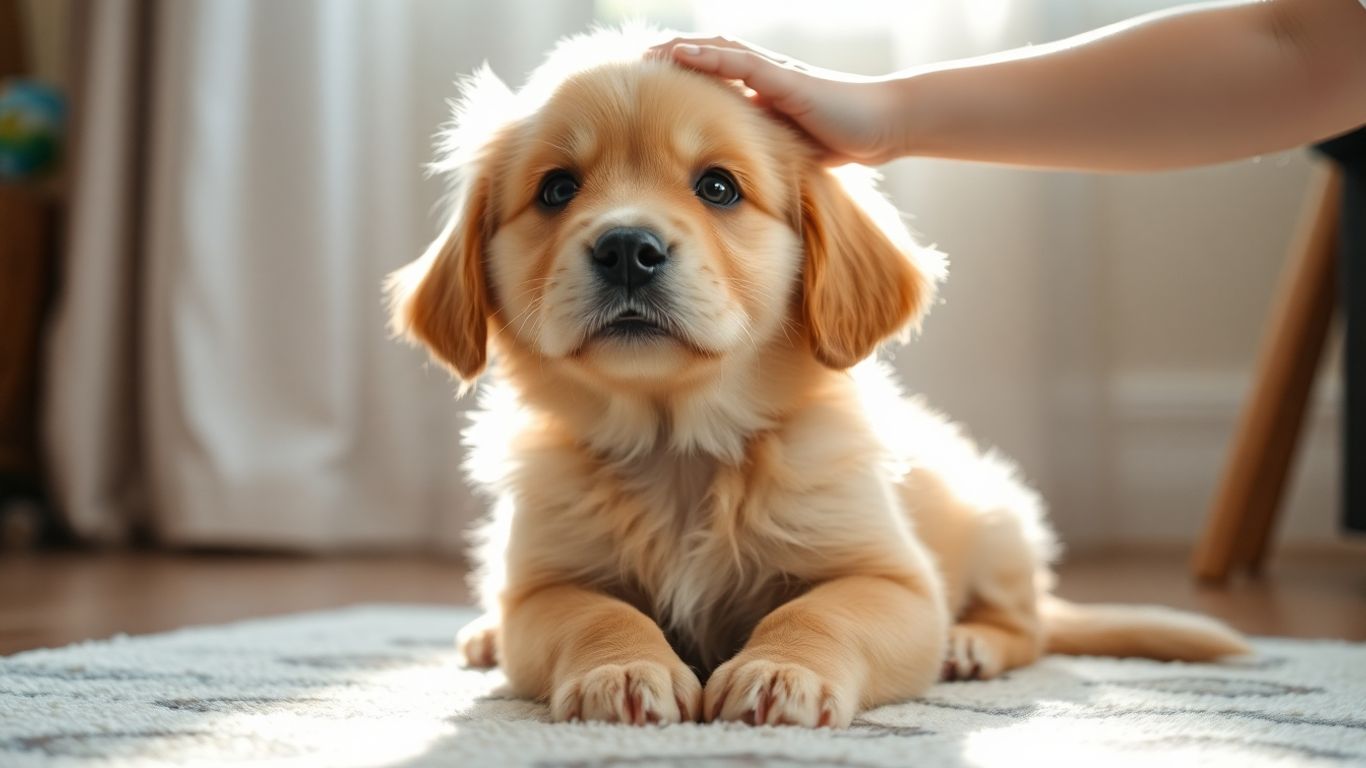
Reaching The 30-Day Mark
Wow, you made it through the first month! That’s a big deal for both you and your Golden Retriever puppy. This initial period is all about adjustment, and hitting the 30-day mark means you’ve successfully helped your pup settle into a new routine and a new home. Think about all the little wins: consistent potty breaks, fewer accidents in the house, and maybe even a few basic commands starting to click. It’s a testament to your patience and the bond you’re building.
Continuing Positive Reinforcement
Keep up the great work with positive reinforcement. This means rewarding good behavior with praise, treats, or a favorite toy. It’s not just about teaching new tricks; it’s about reinforcing the good habits you’ve already started. Remember, puppies learn best when they feel safe and encouraged. Consistency is key here. If your pup does something right, even something small like waiting patiently for a treat instead of jumping, make sure to acknowledge it. This builds confidence and strengthens your connection.
Preparing For Future Vaccinations
As you move past these first 30 days, it’s time to look ahead. One of the next big steps is getting your puppy fully vaccinated. Your vet will have a schedule, and it’s important to stick to it. These shots protect your growing pup from serious illnesses. It also means you’ll soon be able to explore more of the world together, like visiting dog parks or going on longer adventures. Make sure to schedule your next vet appointment if you haven’t already. It’s a small step that makes a big difference in keeping your furry friend healthy and happy.
Wrapping Up Your First Month
So, you’ve made it through the first 30 days with your new Golden Retriever puppy! It probably felt like a whirlwind, right? Between potty training accidents, early morning wake-up calls, and endless games of fetch, you’ve likely learned a lot. Remember, this is just the beginning of a wonderful journey. Keep up with the positive training, enjoy those puppy cuddles, and don’t be afraid to ask for help if you need it. Your furry friend is settling in, and you’re building a bond that will last a lifetime. Take a moment to appreciate how far you’ve both come – you’ve got this!
Frequently Asked Questions
What are the most important things to do in the first 30 days with a new puppy?
The first month is all about helping your new Golden Retriever puppy feel safe and loved. Focus on setting up a daily routine with regular potty breaks and feeding times. Start gentle training and introduce them to new sights and sounds slowly. Most importantly, spend lots of quality time playing and bonding with your new furry friend.
How often should I feed my Golden Retriever puppy?
Young Golden Retriever puppies usually need to eat three times a day until they are about six months old. After that, you can switch to feeding them twice a day at the same times each day. Having a set feeding schedule helps you know when your puppy will need to go potty, which makes house training easier.
Why is socialization so important for puppies?
Socialization is super important because it helps your puppy grow into a friendly and confident dog. Between 8 and 16 weeks old, puppies are like sponges, learning about the world. Letting them meet different people and gentle animals (when it’s safe and they’re vaccinated) helps them feel comfortable in many situations later on.
My puppy is chewing on everything! What can I do?
It’s normal for puppies to chew, especially when they’re teething! Make sure you have plenty of safe chew toys available. When you see your puppy chewing something they shouldn’t, gently redirect them to one of their toys. You can also try using a pet-safe spray with a bitter taste on things you don’t want them to chew, like furniture legs.
How much sleep does a puppy need?
Puppies need a lot of sleep, usually between 16 to 18 hours a day! It’s good to have quiet times for naps. You can set up a cozy crate in a calm spot. Don’t worry too much about making the house silent during naps; puppies should get used to normal household noises.
When should I take my puppy to the vet and consider training classes?
You should find a veterinarian soon after bringing your puppy home to get them checked out and discuss vaccinations. Puppy training classes are also a great idea, often starting around 9 to 12 weeks old, to help with socialization and basic commands. It’s best to look into classes early as good ones can fill up quickly.
Comments