
Winter is coming, and that means it’s time to think about how our feline pals are doing. Keeping them warm and safe when it gets chilly out there is super important. This guide is all about helping you make sure your cat stays comfy and healthy when the temperature drops. We’ll cover everything from making your home a winter haven to watching out for their health.
Key Takeaways
Make sure your home is warm and draft-free, with cozy spots for your cat to sleep. Heated beds can be a nice extra touch.
If your cat goes outside, keep their trips short during really cold weather and always provide a safe, sheltered place for them to get out of the elements.
Feed your cat good food that helps their body fight off sickness and always make sure they have plenty of fresh water, even if they don’t seem to be drinking much.
Keep an eye on your cat’s weight and activity level, and don’t forget regular vet visits to catch any problems early.
Protect your cat’s paws from ice and salt, and be mindful of how dry indoor air can affect their skin and coat.
Creating A Cozy Indoor Environment For Winter Care For Cats
When the temperatures drop, our homes become our cats’ primary refuge. Making sure that indoor space is just right is super important for their comfort and health. Think about it: they spend a lot more time inside, so their environment needs to be extra welcoming and safe from the chill.
Ensuring Adequate Home Insulation
Drafts are the enemy of a warm cat. You know those little breezes that sneak in around windows and doors? Cats feel those keenly. Sealing up gaps and cracks is your first line of defense. It’s not just about saving on your heating bill, though that’s a nice bonus. It’s about creating consistent warmth where your cat likes to hang out. Check around window frames, door thresholds, and any places where pipes or wires enter your house. Even small openings can let in a surprising amount of cold air. You can use weatherstripping, caulk, or even draft stoppers for doors. This simple step makes a big difference in keeping your home toasty for everyone, including your furry friend.
Providing Draft-Free Sleeping Sanctuaries
Every cat has a favorite spot, right? Maybe it’s a sunny patch on the floor, a specific chair, or the top of the bookshelf. During winter, it’s a good idea to make these spots even cozier and, importantly, draft-free. Think about placing soft, thick bedding in quiet corners away from any direct drafts. A cat tree placed near a window can be great, but make sure the window itself isn’t letting in a cold wind. If your cat likes to burrow, a covered bed or even a simple cardboard box lined with a soft blanket can feel like a secure, warm den. It’s all about giving them a personal space where they can truly relax and feel protected from the cold.
Utilizing Heated Pet Beds and Pads
For cats who really feel the cold, especially older ones or those with health issues, a heated bed or pad can be a game-changer. These are designed with safety in mind, usually having low wattage and automatic shut-off features. They provide a gentle, consistent warmth that mimics a sunny spot. Just make sure to follow the manufacturer’s instructions carefully. Place the heated bed in your cat’s favorite resting area. It’s a wonderful way to offer extra comfort and support their well-being when the weather outside is frightful. Some cats might be a little hesitant at first, so introduce it gradually. You can place a regular blanket over it initially, or put it in a spot they already love to sleep.
Keeping your cat’s indoor environment warm and comfortable is more than just a nice gesture; it’s a vital part of their health and happiness during the colder months. Pay attention to where they like to sleep and make those areas extra inviting.
Outdoor Safety Considerations For Winter Care For Cats
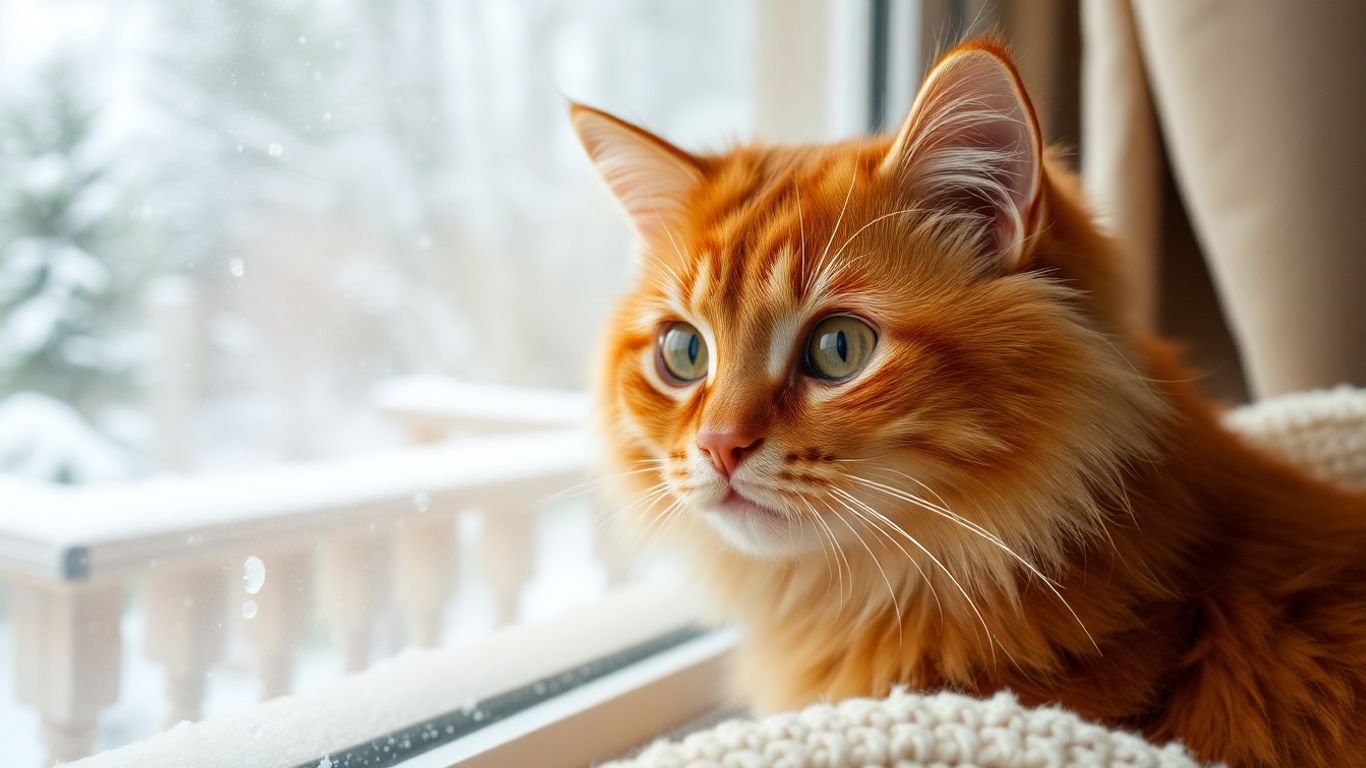
While many cats are happy to spend their days snoozing indoors when it gets chilly, some still enjoy venturing outside. If your feline friend is one of those adventurous types, you’ll need to take some extra steps to keep them safe when the temperature drops. It’s generally not a good idea to let cats stay outside when it’s below freezing.
Limiting Exposure During Extreme Cold
When the weather really turns nasty, with high winds, snow, or temperatures well below freezing, it’s best to keep your cat inside. Even cats with thick fur can struggle to stay warm and dry in severe conditions. If your cat is used to going outside, try to make their indoor time extra appealing with new toys or a cozy spot by the window. For cats that live outdoors, you absolutely must provide a safe haven. Consider limiting their outdoor excursions to shorter periods during daylight hours, and always make sure they have a warm place to retreat to when they come back inside. It’s also a good idea to check under your car’s hood before starting it on cold mornings, as cats sometimes seek warmth there. A quick honk of the horn or a tap on the hood can alert any hidden felines to move. Check for hidden cats before driving.
Providing Sheltered Outdoor Retreats
If you have an outdoor cat or a cat that insists on exploring, providing a sheltered spot is a must. This doesn’t have to be fancy. A sturdy, insulated box lined with straw (which stays dry and insulates well) can make a big difference. Make sure the entrance is small enough to keep out drafts but large enough for your cat to get in and out easily. Elevating the shelter off the cold ground also helps. Regularly check the shelter to ensure it stays dry and clean. This little bit of protection can be a lifesaver.
Monitoring For Frostbite and Hypothermia
Even with precautions, it’s important to know the signs that your cat might be too cold. Frostbite usually affects the ears, tail, and paws, making them look pale or even black. Hypothermia is more serious and can make your cat seem weak, lethargic, or disoriented. If you suspect your cat is suffering from either, bring them inside immediately and contact your veterinarian. They may need gentle warming and medical attention. Keeping an eye on your cat’s behavior when they come in from the cold is key. Are they shivering? Do they seem unusually tired? These are signals that their time outside might have been a bit too long.
Nutrition And Hydration For Winter Care For Cats

Boosting Immunity With Nutrient-Rich Food
When the temperature drops, your cat’s body works a little harder to stay warm. This means they might need a bit more fuel to keep their internal furnace running. Think of it like needing extra layers of clothing for yourself on a chilly day. Feeding your cat a high-quality food, especially one with a good amount of protein, can help them maintain their body temperature and keep their energy levels up. It’s not just about more food, though; it’s about good food. Look for brands with whole ingredients and avoid fillers that don’t offer much nutritional value. This can give their immune system a nice boost, helping them fight off any winter sniffles that might be going around.
Maintaining Adequate Water Intake
It might seem odd, but cats often drink less water when it’s cold. Maybe they’re just not feeling as thirsty, or perhaps the water is just too chilly for their liking. Dehydration can be a real problem, even in winter, and it can affect their kidneys and overall health. Make sure fresh, clean water is always available. You can try a few things to encourage them to drink more. Some cats really like water fountains because the moving water seems more appealing. Others might prefer their water bowl to be a bit warmer, so consider a heated water bowl or just warming up the water slightly before serving. Even adding a little bit of low-sodium chicken broth to their water can make it more enticing.
Adjusting Food Portions For Energy Needs
Your cat’s activity level can change in the winter. If they’re spending more time snoozing by the heater and less time chasing that rogue dust bunny, they might not need as many calories. On the other hand, if your cat is an outdoor adventurer who braves the cold, they might actually need a bit more food to keep warm. It’s a balancing act. Pay attention to your cat’s body condition. Are they gaining too much weight? Are they looking a bit too thin? You might need to adjust their food portions accordingly. It’s always a good idea to chat with your vet about the right amount of food for your specific cat, considering their age, activity level, and any health conditions they might have. They can help you figure out the perfect winter feeding plan.
Here’s a quick look at what to consider:
Activity Level: More active cats may need slightly more food.
Indoor vs. Outdoor: Outdoor cats generally require more calories for warmth.
Age: Kittens and active adults have different needs than seniors.
Diet Type: Wet food has higher moisture content, which can help with hydration.
Health And Wellness During Winter Care For Cats
Regular Veterinary Check-Ups
Winter can be tough on our feline friends, and a little extra attention to their health is a good idea. Scheduling a visit to the vet before the really cold weather hits is smart. Your vet can give your cat a good once-over, checking for any hidden issues that might make them more sensitive to the cold. They can also talk about any specific health concerns you might have noticed. It’s all about catching potential problems early.
Preventative Care Against Parasites
Even though it’s cold outside, parasites like fleas and ticks can still be a problem, especially if your cat goes outdoors or if you have other pets. These little critters can cause skin irritation and even spread diseases. Your vet can recommend the best preventative treatments to keep your cat safe and comfortable all winter long. It’s better to be safe than sorry when it comes to these pesky invaders.
Monitoring Weight And Activity Levels
When it’s cold, cats might be less active, and their metabolism can change. This means it’s important to keep an eye on their weight. Are they gaining a little too much, or perhaps losing weight unexpectedly? Changes in weight can signal underlying health issues. Also, pay attention to how much they’re playing and moving around. A sudden drop in activity could be a sign they’re not feeling well.
Cats are pretty good at hiding when they’re not feeling 100%. Subtle changes in their behavior, like sleeping more than usual or seeming a bit withdrawn, are worth noting. If you notice anything that seems off, don’t hesitate to reach out to your veterinarian. They can help figure out what’s going on and get your cat back to feeling their best.
Here’s a quick look at what to watch for:
Weight: Check their weight regularly. A scale at home or a quick weigh-in at the vet can help.
Appetite: Has their eating habit changed?
Activity: Are they still engaging in their usual play or grooming routines?
Grooming: Are they keeping their coat clean and tidy?
Litter Box Habits: Any changes in frequency or consistency?
Remember, a healthy cat is a happy cat, and winter is no exception. Keeping up with these health checks can make a big difference in your cat’s comfort and well-being throughout the colder months. For more detailed tips on winter care for your cat, check out our article on Winter Care for Cats.
Protecting Paws And Skin During Winter Care For Cats
Winter weather can be really tough on your cat’s delicate paws and skin. Think about it: ice, salt on the sidewalks, and that super dry indoor air. It all adds up and can cause some serious discomfort for your furry friend.
Paw Protection From Ice and Chemicals
Those little paws take a beating in the winter. Ice balls can form between their toes, which is not only uncomfortable but can lead to cracks. And don’t even get me started on the salt and de-icing chemicals they use on roads and sidewalks. These can be really irritating, even toxic, if ingested when your cat licks their paws clean. It’s a good idea to wipe your cat’s paws with a damp cloth after they’ve been outside, just to get any residue off. If your cat tolerates them, little booties can be a lifesaver, but finding a pair they’ll actually keep on can be a challenge. Another option is to use a pet-safe balm or wax before they go out. It creates a bit of a barrier.
Here’s a quick rundown of what to look for and do:
Check paws regularly: Look for redness, cracks, or any signs of irritation.
Wipe paws after walks: Use a damp cloth to remove salt and chemicals.
Consider paw balm/wax: Apply before outdoor excursions.
Booties as a last resort: Only if your cat will wear them!
Addressing Dry Winter Air Effects
Just like us, cats can get dry, itchy skin when the air inside gets super dry from heating systems. This can lead to flaky skin and a generally uncomfortable cat. Regular brushing can help distribute natural oils and remove dead hair, which is good for their coat and skin. If you notice excessive scratching or dry patches, talk to your vet. They might suggest a humidifier for your home or a special skin supplement.
Checking Paws For Irritation
This is something you should do every time your cat comes in from the cold, even if it’s just a quick trip outside. Gently spread their toes and look closely at the pads. Are they dry? Cracked? Bleeding? Is there any redness or swelling? If you spot any issues, clean the area gently with warm water and a mild, pet-safe antiseptic if recommended by your vet. For minor dryness, a bit of pet-specific moisturizer can help, but always check with your vet before trying new products.
Winter can be a harsh season for your cat’s extremities. Paying attention to their paws and skin can prevent a lot of discomfort and potential health problems. A little bit of care goes a long way in keeping them happy and healthy throughout the colder months.
Keeping Cats Entertained Indoors During Winter Care For Cats
Encouraging Play Sessions
When the weather outside is frightful, your cat’s indoor world needs to be delightful. Long stretches of inactivity can lead to boredom, which might manifest as destructive behavior or even a bit of extra weight gain. Regular play sessions are your best tool for keeping your feline friend engaged and happy. Think of it as a mini-workout and mental stimulation rolled into one. Aim for at least two 10-15 minute play sessions each day. Use toys that mimic prey, like feather wands or laser pointers (just be sure to end the laser session by letting them ‘catch’ a physical toy so they don’t get frustrated). This taps into their natural hunting instincts, providing a satisfying outlet for their energy.
Providing Interactive Toys
Beyond simple wand toys, a variety of interactive toys can keep your cat occupied even when you’re not actively playing with them. Puzzle feeders are fantastic; they dispense treats or kibble as your cat manipulates them, making mealtime a fun challenge. These toys not only provide mental stimulation but also slow down eating, which can be good for digestion. Consider rotating toys regularly to keep things fresh and exciting. A simple cardboard box or a paper bag (handles removed for safety) can also provide hours of entertainment as a temporary hideout or plaything. Variety is key to preventing your cat from getting bored with their playthings.
Utilizing Window Perches For Stimulation
Even though they’re indoors, cats still have a natural curiosity about the world outside. A well-placed window perch can be a cat’s personal television, offering endless entertainment. Watching birds, squirrels, or even just the changing weather can be incredibly stimulating. Make sure the perch is sturdy and comfortable, perhaps with a soft cushion. If you have a cat who enjoys basking in the sun, a window perch is the perfect spot for them to soak up some rays and stay warm. It provides a sense of security and a vantage point for observing their domain.
Boredom can be a real issue for indoor cats during the winter. It’s up to us to create an engaging environment that satisfies their need for activity and mental challenges. Think like a cat: what would make your day interesting if you were stuck inside? A good mix of active play, challenging toys, and interesting sights can make all the difference.
Special Considerations For Senior Cats During Winter Care For Cats
Older cats often need a little extra TLC when the temperatures drop. Their bodies just don’t regulate heat as well as younger cats, and things like arthritis can make them feel the cold even more. It’s really about making sure they stay comfortable and don’t have to work too hard to keep warm.
Managing Age-Related Joint Stiffness
Arthritis is pretty common in senior cats, and cold weather can really make those stiff joints ache. You might notice your older cat moving a bit slower or hesitating to jump up onto their favorite spots. Providing extra soft, warm bedding can make a big difference. Think plush beds, maybe even a heated one if they seem to really enjoy it. Gentle grooming also helps keep their coat in good condition, which is like a natural insulator.
Supporting Weaker Immune Responses
As cats get older, their immune systems can become less robust. This means they might be more susceptible to illnesses that are more common in colder months. Keeping them warm and stress-free is key. A good, nutrient-dense diet helps support their overall health, and regular vet check-ups are a good idea to catch any potential issues early.
Maintaining Consistent Warmth
Senior cats really benefit from a consistently warm environment. Drafts are their enemy! Make sure their favorite resting spots are away from any chilly breezes coming from windows or doors. If your cat likes to wander, consider a cat flap that seals well or just keep them indoors more often during the coldest parts of the day.
Older cats can sometimes have trouble maintaining their body temperature. It’s important to provide them with multiple warm spots throughout the house so they can choose where they feel most comfortable. This might include a sunny spot by a window (during warmer parts of the day), a cozy bed, or even a spot near a safe heat source like a radiator (but not too close!).
Here’s a quick rundown of what to focus on:
Warmth: Extra bedding, heated mats, and draft-free zones.
Comfort: Soft surfaces to ease joint pain.
Health: Good nutrition and regular vet visits.
Accessibility: Easy access to food, water, and litter boxes, especially if mobility is an issue.
Wrapping Up: A Cozy Winter for Your Cat
So, that’s pretty much it. Winter can be a bit rough on our furry pals, but with a few simple steps, you can make sure your cat stays warm and safe. Think cozy beds, checking for drafts, and maybe a little extra food if they seem to need it. Keep an eye on them, especially if they go outside, and don’t forget those vet visits. A little bit of attention goes a long way in making sure your cat has a happy, healthy winter right there with you.
Frequently Asked Questions
How can I make my house warmer for my cat in winter?
To keep your cat toasty, make sure your home is well-insulated so cold air stays out. Seal up any gaps around windows and doors. Provide soft, comfy beds in quiet spots away from drafts. Heated pet beds or warming pads can also offer extra warmth, especially for older cats or those who get chilly easily.
Is it safe for my cat to go outside in the winter?
It’s best to limit your cat’s outdoor time when it’s very cold. If they do go out, make sure they have a safe, sheltered place to go to escape the wind and snow. Always keep an eye out for signs that they might be too cold, like shivering or acting sluggish.
How does winter affect my cat's diet?
Cats might need a bit more food in the winter to keep their energy up and stay warm. Focus on high-quality food that gives them good nutrition to help their bodies fight off sickness. Always make sure they have fresh water available, as they might drink less when it’s cold.
What health issues should I watch out for in my cat during winter?
Keep an eye on your cat for any changes in how they act. Things like being extra sleepy, not wanting to eat, or having trouble breathing could mean they’re getting sick or are too cold. Regular vet check-ups are a good idea to catch any problems early.
How can I protect my cat's paws in the winter?
Ice, salt, and chemicals on sidewalks can hurt your cat’s paws. You can put a pet-safe balm or wax on their paws before they go outside, or even try little booties if your cat will wear them. After they come inside, check their paws for any redness or cracks.
How can I keep my indoor cat from getting bored in winter?
Indoor cats need ways to stay active too! Spend time playing with your cat every day using toys that mimic hunting. Puzzle feeders can make mealtime more fun. A cozy window perch lets them watch the world outside, which can be very entertaining.
Comments