
Winter is here, and that means colder days and maybe even some snow. While our dogs might love a good romp in the frost, the chill can bring some new challenges for them. We need to tweak how we care for our furry pals to make sure they’re comfy and safe when the temperatures drop. This guide is all about Winter Care for Dogs, giving you the lowdown on keeping your canine companion happy and healthy through the cold.
Key Takeaways
Bundle up your dog with appropriate winter gear like coats and sweaters, especially for short-haired or small breeds, and limit their time outdoors in extreme cold.
Protect your dog’s paws from ice, snow, and salt by using booties or paw balm, and always check between their toes for ice buildup.
Adjust your dog’s diet to account for increased calorie needs in the cold if they are active outdoors, and always ensure they have access to fresh water.
Maintain grooming habits by bathing sparingly and brushing regularly to keep their coat insulated, and always dry them thoroughly after baths.
Keep your dog active and engaged with indoor play and mental stimulation toys, and use reflective gear and lights for visibility during short winter days.
Keeping Your Dog Warm During Winter
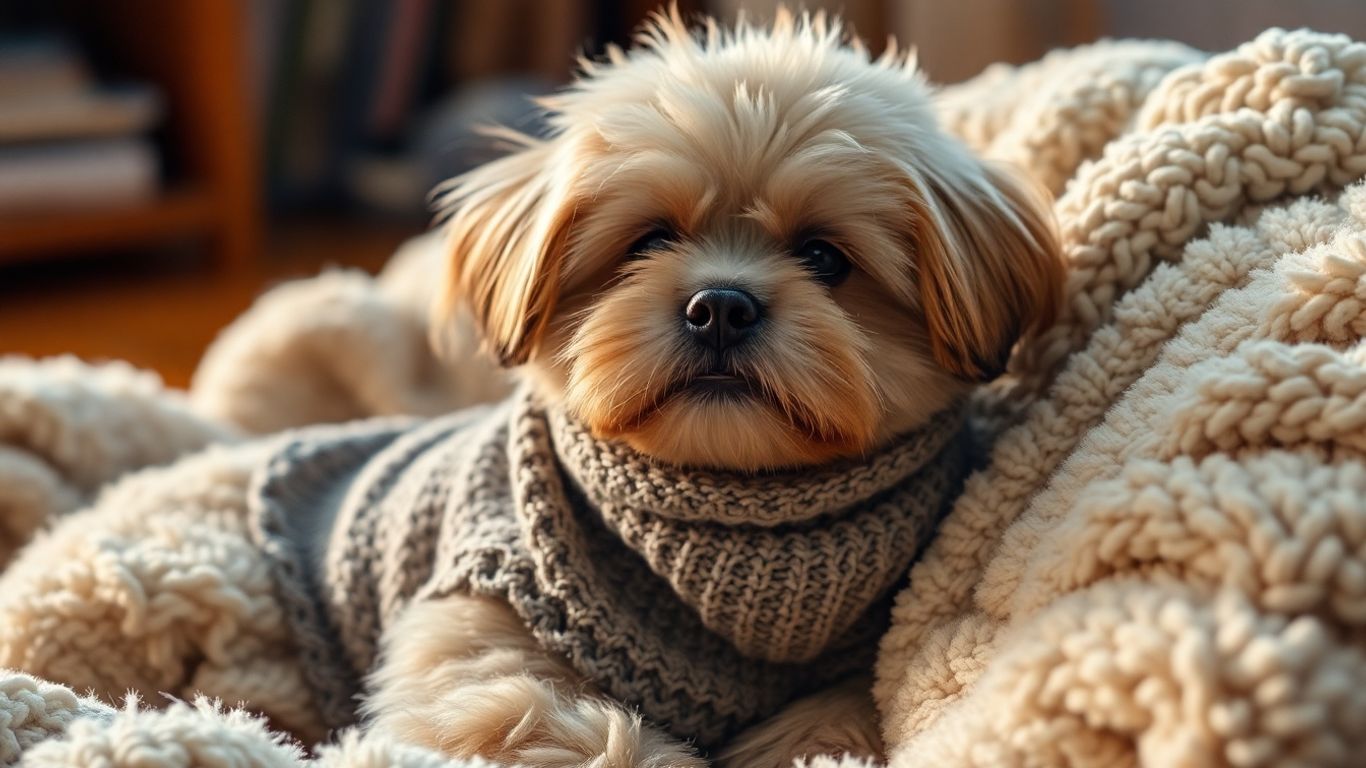
When the temperatures drop, keeping your furry friend warm becomes a top priority. Just like us, dogs can feel the chill, and some are more sensitive than others. Breeds with thin coats, smaller dogs, and older pups often need a little extra help to stay toasty.
Invest in Essential Winter Gear
Think of a good winter coat or sweater for your dog like a cozy blanket. For dogs that don’t have a thick natural coat, these items can make a big difference in their comfort and safety outdoors. Make sure whatever you choose fits well and covers their body, especially their chest and back, to provide the best protection against the cold.
Limit Outdoor Exposure Time
While dogs generally love being outside, prolonged periods in freezing temperatures aren’t good for them. It’s easy to lose track of time when you’re having fun, but keeping an eye on the clock is important. Extended exposure can lead to issues like hypothermia or frostbite, particularly on sensitive areas like ears and paws.
It’s a good idea to have a general guideline for how long your dog can comfortably stay outside based on their breed, age, and health. Shorter, more frequent outings might be better than one long one on very cold days.
Provide a Cozy Indoor Resting Space
Your home should be a warm haven for your dog. Make sure their bed is placed away from drafty windows or doors. If your dog is older or has joint pain, a bit of extra warmth can be a real comfort. You might consider adding an extra blanket or even a pet-safe heated bed. Just be mindful of placing heating elements safely, away from chewing or accidental knocks, and ensure they aren’t too close to vents that could dry out the air too much.
Protecting Paws from Winter Elements
Winter can be really rough on your dog’s feet. All that ice, salt, and those chemical de-icers they spread on the sidewalks? They can really sting and even cause little cuts or burns on your dog’s paw pads. Plus, the dry air in winter can make those pads feel cracked and sore. It’s like walking on sandpaper for them!
Utilize Protective Dog Booties
Dog booties might seem a bit extra, but they’re actually super helpful. They act like little shields, keeping the cold, ice, and chemicals away from your dog’s sensitive paws. Getting your dog used to wearing them can take a little patience, though. Start by letting them wear them for short periods inside, maybe with a few treats. If your dog really seems to like them, you can even look into making your own! Just make sure they fit well and don’t rub.
Apply Soothing Paw Balm
Before you head out for a walk, slathering on a good paw balm or wax is a smart move. Think of it as a protective barrier. It helps keep the paw pads moisturized and prevents them from drying out and cracking. You can buy these at most pet stores, or even whip up your own at home with things like coconut oil, shea butter, and beeswax. After your walk, it’s a good idea to wipe their paws down with a damp cloth to get rid of any leftover salt or gunk.
Inspect Paws for Ice Buildup
Keep an eye out for snow and ice that can get packed between your dog’s toes. These little ice balls can be really uncomfortable and even painful for your dog. They can also make it harder for your dog to get good traction, leading to slips and falls. If you see any ice buildup, gently try to remove it. Sometimes, trimming the fur between the paw pads can help prevent this from happening in the first place.
Adjusting Your Dog's Diet for Cold Weather
When the temperatures drop, your dog’s body might work a little harder just to stay warm. This means their energy needs can change, and you might need to tweak their food intake. It’s not a one-size-fits-all situation, though. Some dogs, like puppies, seniors, those with thin coats, nursing mothers, or dogs that work outdoors, might need a bit more fuel. If your dog spends a good chunk of their day outside, they’ll likely burn more calories and could benefit from slightly larger meals.
Monitor Calorie Intake and Weight
It’s important to keep an eye on your dog’s weight, especially if they’re less active during the winter. If your dog is mostly an indoor pet and their activity level goes down, you might need to reduce their food portions a bit to avoid packing on extra pounds. On the flip side, if your dog is still getting plenty of exercise outdoors, they might need a little extra food to keep up their energy. Paying attention to your dog’s body condition is key to making the right adjustments.
Ensure Consistent Hydration
Even though it’s cold, your dog still needs plenty of fresh water. Don’t assume they’ll drink enough just because it’s chilly. Always make sure their water bowls are full and the water isn’t frozen, especially if they spend time outside. Snow isn’t a good substitute for water, so keep that in mind. If your dog seems to be drinking less, you can try adding some wet food to their diet to help them stay hydrated.
Consider Nutritional Needs for Specific Dogs
Some dogs have special requirements when the weather gets cold. For instance:
Senior Dogs: Older dogs might have a harder time regulating their body temperature and could benefit from a slightly more calorie-dense food.
Working Dogs: Dogs that are very active, like sled dogs or those who participate in winter sports, will definitely need more food to support their high energy output.
Thin-Coated Breeds: Breeds with short or thin fur are more susceptible to the cold and may need extra calories to stay warm.
Always consult with your veterinarian before making significant changes to your dog’s diet. They can provide personalized advice based on your dog’s age, breed, activity level, and overall health.
If you notice your dog is losing weight or seems to have less energy, it’s a good idea to chat with your vet. They can help you figure out if a diet change is needed and what kind of food would be best for your furry friend during the winter months.
Maintaining Grooming Habits in Winter
Even when the temperatures drop, keeping up with your dog’s grooming is super important. Think of their coat like a natural winter jacket – a well-maintained one works way better to keep them warm. Skipping out on grooming can lead to mats, and those tangled messes actually make their fur less effective at trapping heat. Plus, it just feels better for them to be clean and tangle-free, right?
Bathe Your Dog Sparingly
It might seem odd, but too many baths in winter can really dry out your dog’s skin. This can lead to itchiness and discomfort. When you do need to bathe them, try to use a dog-specific shampoo that has moisturizing ingredients. It makes a difference. And seriously, after any bath, make sure they are completely dry before they go back outside or even just wander around the house. A damp dog in a cold environment is just asking for trouble.
Brush Regularly for Insulation
Brushing isn’t just about making your dog look pretty; it’s functional in winter. Regular brushing helps get rid of dead hair that’s just hanging around and not doing much good. More importantly, it helps spread the natural oils from their skin all through their coat. These oils are like a built-in conditioner, keeping the fur healthy and helping it to insulate better. A good brushing session can significantly boost their coat’s warmth factor.
Thoroughly Dry After Baths
This one’s worth repeating because it’s that critical. After a bath, or even if they get wet playing in the snow, drying your dog properly is key. Use towels to get as much moisture out as possible. If your dog tolerates it and you have one, a hairdryer on a low, cool setting can help speed things up. You don’t want them feeling chilled, especially their ears and tail, which can be more sensitive to the cold.
Winter grooming is about more than just looks; it’s about maintaining your dog’s natural defenses against the cold. A healthy coat is a warm coat, and a little effort goes a long way in keeping your furry friend comfortable and cozy when the weather outside is frightful.
Staying Active and Engaged Indoors

When the weather outside is just too rough for a long walk or a romp in the park, don’t let your dog become a furry couch potato. Keeping them active and mentally stimulated indoors is super important for their overall health and happiness, especially during those chilly winter months. It helps burn off energy, prevents boredom, and keeps their minds sharp.
Engage in Interactive Indoor Play
Just because you’re inside doesn’t mean playtime has to stop. Think about games that get your dog moving and thinking. Tug-of-war is a classic for a reason – it’s a great way to bond and burn some energy. Hide-and-seek can be a blast too; just have your dog stay put while you hide a favorite toy or a few treats, then call them to find it. Even a simple game of fetch down a hallway can work wonders. The key is to make it fun and engaging for both of you.
Provide Mental Stimulation with Toys
Physical exercise is great, but don’t forget about your dog’s brain! Puzzle toys and treat-dispensing toys are fantastic for this. They make your dog work a little to get their reward, which can be surprisingly tiring for them. It taps into their natural problem-solving instincts. You can also try rotating their toys so they don’t get bored with the same old things. A new toy, or an old favorite brought back out, can feel like a whole new adventure.
Short Training Sessions for Activity
Who says training has to be a chore? Short, positive training sessions are a brilliant way to keep your dog active and reinforce good behavior. Work on commands they already know, or teach them something new. Even 5-10 minutes a few times a day can make a big difference. It’s a great way to use up some of that pent-up energy and strengthen your bond. Plus, a well-trained dog is a joy to live with, no matter the season.
Keeping your dog’s mind busy is just as important as keeping their body moving. Boredom can lead to destructive behaviors, especially when they’re stuck inside more often. Interactive toys and training sessions are your best friends here.
Recognizing and Avoiding Winter Hazards
Winter brings a whole host of dangers that we need to be mindful of for our furry friends. It’s not just about the cold; there are specific substances and conditions that can really put our dogs at risk if we’re not careful. Being aware is the first step to keeping them safe.
Be Aware of Antifreeze Dangers
Antifreeze is a big one. It’s incredibly toxic to dogs, and sadly, it has a sweet taste that can attract them. Spills in the driveway or garage are a serious concern. Always clean up any spills immediately and store antifreeze and other automotive chemicals well out of your dog’s reach. It’s a simple step that can prevent a potentially fatal accident. If you suspect your dog has ingested antifreeze, contact your vet right away.
Identify Signs of Hypothermia and Frostbite
Dogs can get too cold, just like us. Hypothermia happens when their body temperature drops too low. You might notice them shivering uncontrollably, becoming lethargic, or seeming weak. Frostbite is also a risk, especially for ears, paws, and tails. Look for skin that appears pale or even grayish. If you see any of these signs, get your dog inside to a warm place immediately and call your veterinarian. It’s important to know that dogs with less fur or smaller breeds are more susceptible to these conditions.
Watch for Ice-Melting Chemical Exposure
Those de-icing salts and chemicals used on sidewalks and roads aren’t just uncomfortable for paws; they can be harmful if ingested. Dogs often lick their paws after being outside, and if they’ve walked through treated areas, they can ingest these chemicals. It’s a good idea to wipe your dog’s paws with a damp cloth after every walk to remove any residue. You can also look into pet-safe de-icing products for your own property to minimize exposure. Keeping their paws clean is a simple but effective way to protect them from irritation and potential poisoning.
Ensuring Visibility in Low-Light Conditions
Use Reflective Gear for Walks
Winter days get short, right? That means a lot of our dog walks happen when it’s already getting dark or still pretty dim out. It’s super important that other people, like drivers, can see you and your dog. Think about getting a harness or a leash that has reflective strips sewn into it. These things bounce light back, making you way more noticeable. Some dog coats also come with these reflective bits. It’s like a little safety boost for your evening strolls.
Attach Lights to Collars
Beyond reflective gear, adding a little light to your dog’s collar can make a big difference. You can get small, battery-powered lights that clip right on. They come in different colors and can be seen from a good distance. This is especially helpful if your dog likes to wander a bit ahead of you on the leash or if you’re walking in an area with no streetlights at all. Being seen is half the battle when it comes to staying safe on those darker winter walks.
It’s easy to forget how quickly the sun sets in winter. A little bit of extra visibility gear can prevent a lot of worry. Think of it as an easy way to look out for your furry friend when the light is poor.
Wrapping Up Winter Care
So, winter’s here, and while it’s fun to see our dogs enjoy the snow, it does mean we need to be a bit more careful. We’ve talked about keeping them warm with sweaters and cozy beds, protecting those sensitive paws from ice and salt, and even adjusting their food a little if they’re more active or less active. Remember to keep them hydrated, even when it’s cold, and don’t forget about grooming to keep their coats working their best. Plus, finding ways to play inside when it’s too chilly outside is a big win for everyone. By paying attention to these simple things, we can help our furry friends stay happy, healthy, and comfortable all season long. Here’s to a safe and cozy winter for you and your dog!
Frequently Asked Questions
How can I tell if my dog is too cold outside?
Watch for signs like shivering, whining, or trying to go back inside. If your dog’s paws seem cold or they’re lifting them up a lot, it’s a good sign to head indoors. Shorter and thin-coated dogs get cold faster, so keep their outdoor time brief when it’s really chilly.
Do I need to buy my dog a coat?
It depends on your dog! Breeds with thick, double coats like Huskies are usually fine. But, if your dog is small, has short fur, is elderly, or has health issues, a dog coat or sweater can make a big difference in keeping them warm and comfy during winter walks.
What's the best way to protect my dog's paws in winter?
The cold, ice, and salt on sidewalks can really hurt paws. You can use special dog booties to protect them. Also, applying a paw balm before going out can create a barrier, and always wipe their paws clean with a damp cloth when you get back inside to remove any salt or chemicals.
Should I change my dog's food in the winter?
Some dogs might need a little more food in winter because they burn more energy just staying warm. If your dog is very active outdoors, talk to your vet about possibly increasing their food. If they’re less active, you might need to cut back a bit to prevent weight gain.
How can I keep my dog active when it's too cold to go outside?
You can still have tons of fun indoors! Play games like fetch or tug-of-war in the house. Puzzle toys that dispense treats are great for keeping their minds busy, and short training sessions are a good way to get them moving and thinking.
Are there any dangers I should watch out for in the winter?
Yes, definitely. Antifreeze is very poisonous to dogs and tastes sweet, so clean up any spills right away. Also, be careful with ice-melting chemicals on sidewalks, as they can harm paws and be toxic if licked. Watch out for signs of hypothermia (shivering, weakness) and frostbite (pale skin on ears or paws) and get your dog help if you see them.
Comments