
Thinking about adding a furry friend to your family? That’s awesome! When it comes to popular family dogs, the Golden Retriever and the Labrador Retriever are always near the top of the list. They’re both super friendly, smart, and love to be part of the action. But, like choosing between two great flavors of ice cream, sometimes you just gotta pick one. Let’s break down what makes each of these retrievers special, so you can figure out which one might be the perfect fit for your home.
Key Takeaways
- Both Labradors and Golden Retrievers are fantastic family dogs, known for being friendly, smart, and eager to please.
- Golden Retrievers have longer, flowing coats that require more grooming, while Labradors have shorter, water-resistant coats that are easier to maintain.
- Labradors generally have higher energy levels and need more intense exercise compared to Golden Retrievers, who are affectionate but often a bit more laid-back.
- Both breeds are highly trainable and do well with early socialization, but Labs might be motivated more by food, while Goldens are often eager to please their owners.
- When choosing, consider your family’s activity level, how much time you have for grooming, and the general energy you’re looking for in a dog.
Understanding Labradors & Golden Retrievers: A Family Favorite

Origins and Shared Sporting Group
Labrador Retrievers and Golden Retrievers, both beloved members of the sporting group, share a common ancestry rooted in helping humans with outdoor activities. The Labrador hails from the rugged coast of Newfoundland, Canada, where they were invaluable companions to fishermen and hunters, known for their retrieving skills and love of water. Meanwhile, the Golden Retriever was developed in Scotland, a blend of various breeds including the Tweed Water Spaniel, designed to be a capable gundog on land and in water. Both breeds were bred to work alongside people, making them naturally inclined to be loyal and eager to please. This shared heritage means they often possess a similar drive to be part of the family’s activities.
Key Similarities for Families
When you look at these two breeds, it’s easy to see why they’re top choices for families. They’re both known for being incredibly friendly, intelligent, and generally good with kids. You’ll find they both have a lot of energy and love to play, making them great partners for active households. Plus, they tend to get along well with other pets, which is a big plus for many families. Both breeds also typically live for about 10 to 12 years, giving you a good decade or so of companionship.
- Social Butterflies: Both breeds usually get along well with children, other animals, and even strangers.
- Active Companions: They thrive in households that enjoy outdoor activities like hiking, swimming, or playing fetch.
- Intelligent and Eager to Please: Their smarts and desire to make their owners happy make them relatively easy to train.
- Water Lovers: Bred as retrievers, most of them have a natural affinity for water and are often strong swimmers.
General Temperament Overview
At their core, both Goldens and Labs are known for their sunny dispositions. They’re typically happy-go-lucky dogs who just want to be part of the action. You’ll find them wagging their tails and looking for attention. They’re not usually the type to be aloof or reserved; they tend to greet life with enthusiasm. This makes them fantastic additions to homes where there’s always someone around to give them a pat or throw a ball.
While generalizations are helpful, remember that every dog is an individual. Some Labs might be calmer, and some Goldens might be more boisterous. Getting to know a specific dog’s personality is always the best approach.
Physical Appearance: Distinguishing Labradors & Golden Retrievers
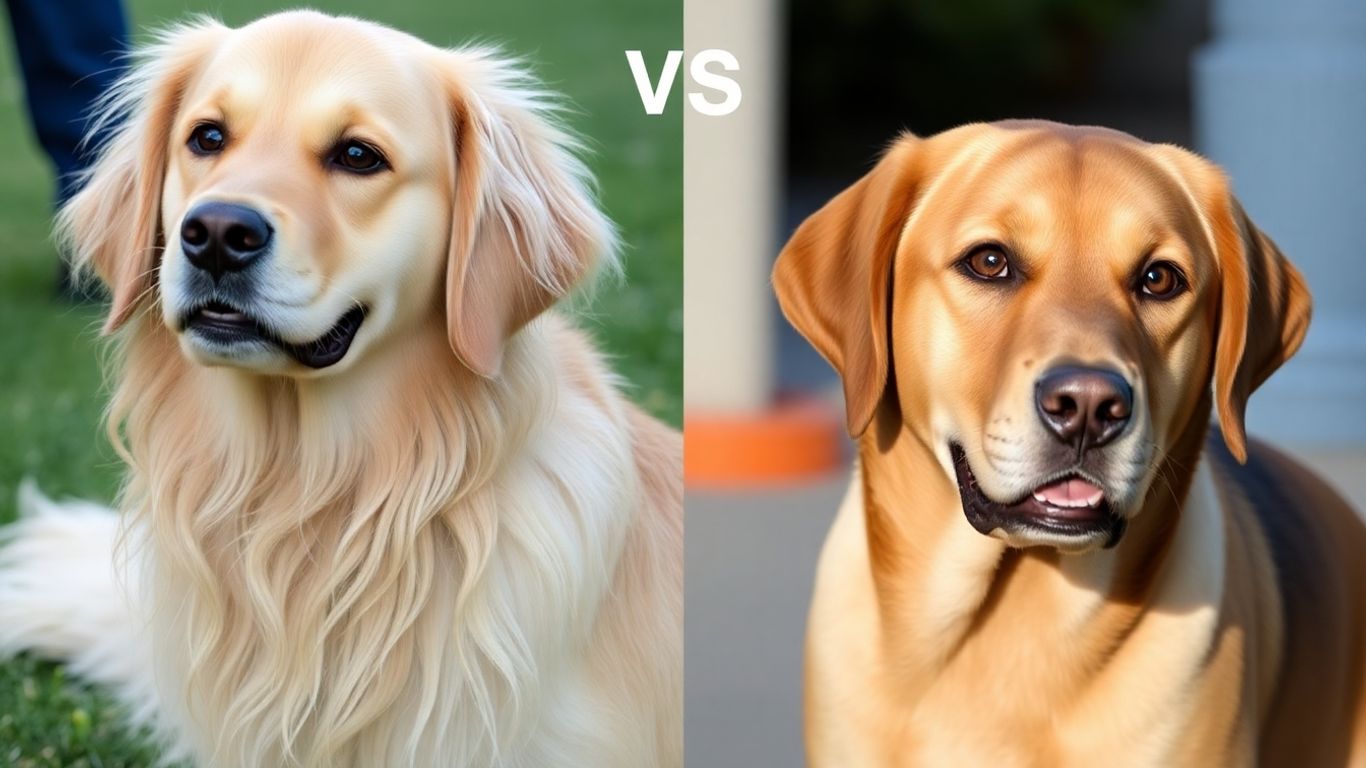
Okay, so you’ve got these two amazing breeds, the Golden Retriever and the Labrador Retriever, and while they might seem pretty similar at first glance – both are sporting dogs, both love people, both shed like crazy – there are definitely some visual cues that set them apart. It’s not just about a different shade of gold, either.
Coat Differences and Grooming Needs
This is probably the most obvious difference. Goldens have that beautiful, flowing double coat. It’s longer, a bit wavy, and often has feathering on the legs, chest, and tail. This gorgeous coat needs regular brushing, like, several times a week, to prevent mats and keep it looking its best. Think of it as a commitment to keeping that luxurious fur from turning into a tangled mess. Labs, on the other hand, have a short, dense, and wonderfully water-resistant coat. It feels a bit coarser to the touch. Their grooming is way simpler – a good brush once a week usually does the trick, and they’re less prone to those annoying tangles. Both breeds do shed, though, and they tend to
Temperament and Energy Levels: Matching Your Lifestyle
When you’re thinking about bringing a Golden Retriever or a Labrador Retriever into your home, their personalities and how much energy they have are super important. Both breeds are known for being friendly and great with families, but there are some key differences that might make one a better fit for your daily life.
Golden Retrievers: Gentle and Affectionate Companions
Goldens are often described as the ultimate people-pleasers. They have a really sweet, gentle nature and tend to be very affectionate with their families. They love being involved in whatever you’re doing and really thrive on human interaction. While they enjoy playtime and walks, they’re generally a bit calmer than Labs. This makes them a good choice if you have a slightly less hectic lifestyle or if you have younger children who appreciate a more mellow playmate. They’re happy with regular exercise, but they don’t typically need the same intensity as a Labrador.
Labrador Retrievers: Energetic and Playful Personalities
Labradors, on the other hand, are known for their boundless enthusiasm and playful spirit. They have a real zest for life and are always up for an adventure. If your family loves being outdoors, hiking, swimming, or just generally being active, a Lab might be your perfect match. They have a higher energy level and need more vigorous exercise to stay happy and well-behaved. Without enough activity, they can get bored, and well, that’s when mischief can happen. They’re often a bit more independent than Goldens, which can be a plus if you have a busy schedule but still want an active companion.
Activity Needs for Both Breeds
Both Golden Retrievers and Labrador Retrievers are sporting dogs, meaning they were bred to work and have energy to spare. They both need daily exercise to keep them healthy and prevent boredom. Here’s a quick look at what they generally need:
- Golden Retrievers: Need regular walks, playtime, and moderate exercise. They enjoy games and swimming, which is a great way to burn off energy. About 45-60 minutes of activity per day is usually a good starting point.
- Labrador Retrievers: Require more intense exercise. Think long walks, runs, fetch sessions, and lots of water play if possible. They often need closer to 60-90 minutes of vigorous activity daily.
It’s not just about physical exercise, though. Both breeds are smart cookies and benefit greatly from mental stimulation. Puzzle toys, training sessions, and learning new tricks can help keep their minds sharp and prevent them from getting into trouble.
Choosing the right breed really comes down to honestly assessing your family’s lifestyle. Are you a family that loves to be outside and active every day, or do you prefer more relaxed weekends with occasional outings? Answering this will point you in the right direction.
Trainability and Socialization for Labradors & Golden Retrievers
When it comes to getting a new dog, especially one that will be part of the family, how easy they are to train and how well they get along with everyone is a big deal. Luckily, both Golden Retrievers and Labrador Retrievers really shine in this area. They’re both super smart and generally eager to please, which makes teaching them new things a lot less of a headache.
High Trainability in Both Breeds
Honestly, you can’t go wrong with either breed if you’re looking for a dog that picks things up quickly. Goldens are often praised for their gentle nature and their strong desire to make their owners happy. This means they tend to respond really well to positive training methods, like treats and praise. Labs, on the other hand, are known for their boundless enthusiasm and a real zest for life. They’re also incredibly intelligent and love having a job to do, which makes them very receptive to training. It’s almost like they’re built to learn!
Importance of Early Socialization
Now, here’s the thing: even the smartest dog needs to learn how to behave in different situations and around different people and animals. This is where socialization comes in, and it’s super important for both Goldens and Labs, especially when they’re young. Getting them used to various sights, sounds, people, and other pets from a young age helps them grow into well-adjusted, confident dogs. Without it, even the sweetest Golden or Lab can become anxious or reactive.
Both breeds thrive when they’re part of the family pack and involved in daily activities. Leaving them alone for long periods without mental or physical stimulation can lead to unwanted behaviors, no matter how well-trained they are. They need interaction and a sense of purpose.
Motivating Factors for Training
What makes these dogs tick when it comes to training? For both breeds, it’s a mix of things. Food is usually a big motivator – they’re retrievers, after all, and often have a healthy appetite! Praise and affection also go a long way. Goldens, in particular, seem to really soak up the positive reinforcement. Labs are often motivated by play and the chance to work, so incorporating games into training sessions can be very effective. Remember, consistency is key. Short, frequent training sessions are usually more productive than long, drawn-out ones.
Here’s a quick look at what motivates them:
- Treats and Food Rewards: Both breeds are typically food-motivated.
- Praise and Affection: Positive verbal encouragement and petting go a long way.
- Play and Games: Especially for Labs, incorporating fetch or other games makes training fun.
- Having a "Job": They love to feel useful, whether it’s fetching an item or learning a new trick.
Health and Lifespan Considerations for Families
When you’re thinking about bringing a Golden Retriever or a Labrador Retriever into your home, it’s smart to look at their health and how long they typically live. Both breeds are generally robust, but like all dogs, they can be prone to certain issues. Knowing what to watch out for can help you provide the best care.
Common Health Concerns for Both Breeds
Both Goldens and Labs share some common health predispositions, largely due to their size and genetics. It’s not uncommon for these breeds to experience joint problems. Things like hip dysplasia and elbow dysplasia can affect their mobility as they get older. Eye conditions, such as progressive retinal atrophy, which can lead to blindness, are also something to be aware of. Allergies can pop up in both breeds too, sometimes showing up as skin irritations or digestive upset.
It’s really important to get your puppy from a reputable breeder or rescue. This helps reduce the chances of inheriting serious health problems. A good breeder will screen their dogs for common genetic conditions, giving you a better start with a healthy pup.
Lifespan Expectations
Generally, you can expect a Golden Retriever to live for about 10 to 12 years. Labrador Retrievers often have a slightly longer life expectancy, typically ranging from 11 to 13 years. Of course, these are just averages, and many dogs live longer, happy lives with good care. Factors like diet, exercise, and overall health management play a big role in how long your furry friend will be with you. Remember, Golden Retrievers typically live for 10 to 12 years.
Preventive Care and Veterinary Support
Regular vet visits are your best friend when it comes to keeping your dog healthy. Your veterinarian can help catch potential issues early, offer advice on nutrition, and keep vaccinations up to date. Maintaining a healthy weight is also key, especially for Labs who really love their food and can gain weight easily. Regular exercise, a balanced diet, and keeping up with check-ups are the cornerstones of good health for both breeds. Don’t hesitate to discuss any concerns with your vet; they are your partner in ensuring your dog lives a full and happy life.
Choosing the Right Retriever for Your Household
So, you’ve narrowed it down to a Golden Retriever or a Labrador Retriever. That’s awesome! Both are fantastic breeds, truly. But picking the one that fits best with your family and your day-to-day life is super important. It’s not just about which one looks cuter (though they both are, let’s be honest). It’s about matching their energy, their needs, and your capabilities.
Ideal Family for a Golden Retriever
Golden Retrievers often fit well into homes where there’s a good amount of family interaction. They really thrive when they’re part of the action, so if you have kids who are home a lot, or if someone is usually home during the day, a Golden might be a great fit. They’re known for being gentle and patient, which is a big plus with little ones. They enjoy playtime and walks, but they’re generally not as intensely energetic as Labs. Think of them as happy companions who love to be involved but don’t necessarily need to run a marathon every day.
- Gentle and affectionate nature
- Good with children
- Enjoys moderate activity
- Prefers not to be left alone for long periods
Goldens tend to bond very closely with their families. They really want to be where you are, often following you from room to room. This closeness means they do best when they have plenty of human company and aren’t left by themselves for extended stretches.
Ideal Family for a Labrador Retriever
Labrador Retrievers, on the other hand, are often the go-to for families with a more active lifestyle. If your weekends involve hiking, swimming, or just generally being outdoors, a Lab will likely be thrilled to join you. They have a ton of energy and need regular, vigorous exercise to stay happy and well-behaved. They’re smart and eager to please, which makes them great for training, especially if you’re interested in dog sports or activities. Labs can be a bit more boisterous than Goldens, so a family that can handle a bit more playful energy might be a better match.
- High energy levels
- Loves outdoor activities and sports
- Intelligent and trainable
- Needs consistent mental and physical stimulation
Making the Final Decision
When you’re really trying to decide, think about your daily routine. How much time can you realistically dedicate to walks, playtime, and training each day? Consider your living situation too – do you have a yard? Is it fenced? Both breeds need space. Also, think about grooming. Goldens have longer coats that require more regular brushing than a Lab’s shorter coat. Ultimately, the best dog for your family is the one whose needs you can meet consistently.
Here’s a quick look:
| Feature | Golden Retriever | Labrador Retriever |
|---|---|---|
| Energy Level | Moderate to High | High to Very High |
| Grooming Needs | Regular brushing (longer coat) | Weekly brushing (shorter coat) |
| Temperament | Gentle, Affectionate, Patient | Energetic, Playful, Outgoing |
| Ideal Owner | Active family, enjoys moderate play | Very active family, outdoor lovers |
| Lifespan | 10-12 years | 10-12 years |
So, Which One Wins?
Alright, so we’ve looked at Goldens and Labs, and honestly, it’s tough to pick a real ‘winner’ because they’re both pretty awesome dogs. If you’re super active and love being outdoors all the time, a Lab might just fit your life a little better. They’ve got that boundless energy. But if you’re looking for a dog that’s maybe a bit more chill, loves to be right by your side, and doesn’t mind a good cuddle session after a walk, a Golden could be your perfect match. Really, the best dog for your family is the one that fits your daily routine and what you can give them. Whichever furry friend you bring home, you’re in for a lot of love and fun.
Frequently Asked Questions
Which dog is more energetic, a Labrador or a Golden Retriever?
Labrador Retrievers are generally more energetic and playful than Golden Retrievers. Labs have a lot of zest for life and need plenty of exercise to stay happy. Golden Retrievers also need regular exercise, but they are usually less high-energy and can adapt to different lifestyles more easily.
Are Golden Retrievers or Labradors better for families with young children?
Both breeds are known to be wonderful with children! Golden Retrievers are often described as gentle and social, making them great for families. Labrador Retrievers are also very friendly and playful, and they do well with kids, especially when they are trained and socialized from a young age.
Which breed needs more grooming?
Golden Retrievers require more grooming. They have long, dense coats that need regular brushing to prevent tangles and manage shedding. Labrador Retrievers have short, dense coats that are much easier to maintain with less frequent brushing.
Are both breeds easy to train?
Yes, both Golden Retrievers and Labrador Retrievers are highly trainable! They are intelligent dogs that are eager to please their owners. They both do best with early training and socialization to help them become well-behaved companions.
What is the typical lifespan for these breeds?
Both Golden Retrievers and Labrador Retrievers generally have a lifespan of about 10 to 12 years. Regular vet visits, a healthy diet, and plenty of exercise can help them live long, happy lives.
Which breed is better if I lead an active lifestyle?
If you lead a very active lifestyle and enjoy lots of outdoor activities like running, hiking, or swimming, a Labrador Retriever might be a better fit. Their higher energy levels and athleticism make them excellent companions for adventurous families.
Comments