
The start of a new year is a perfect time to think about making some positive changes. We often set New Year’s resolutions for ourselves, but what about our furry pals? Including your dog in your New Year’s resolutions can be a fantastic way to boost your own motivation, deepen your connection, and ensure you both have a healthier, happier year. Your dog can be your best buddy in sticking to those goals, whether it’s getting more active or just enjoying quiet time together.
Key Takeaways
Commit to daily walks with your dog, rain or shine, for mutual health benefits and mental stimulation.
Evaluate and improve your dog’s diet with quality food to support their overall health and energy levels.
Set shared fitness goals, like training for a walk or exploring new trails, to stay active and accountable together.
Introduce new mental challenges through puzzle toys or training sessions to keep your dog’s mind sharp and prevent boredom.
Dedicate focused, distraction-free time to your dog, practicing mindfulness to strengthen your bond and reduce stress for both of you.
Embrace a Healthier Lifestyle Together
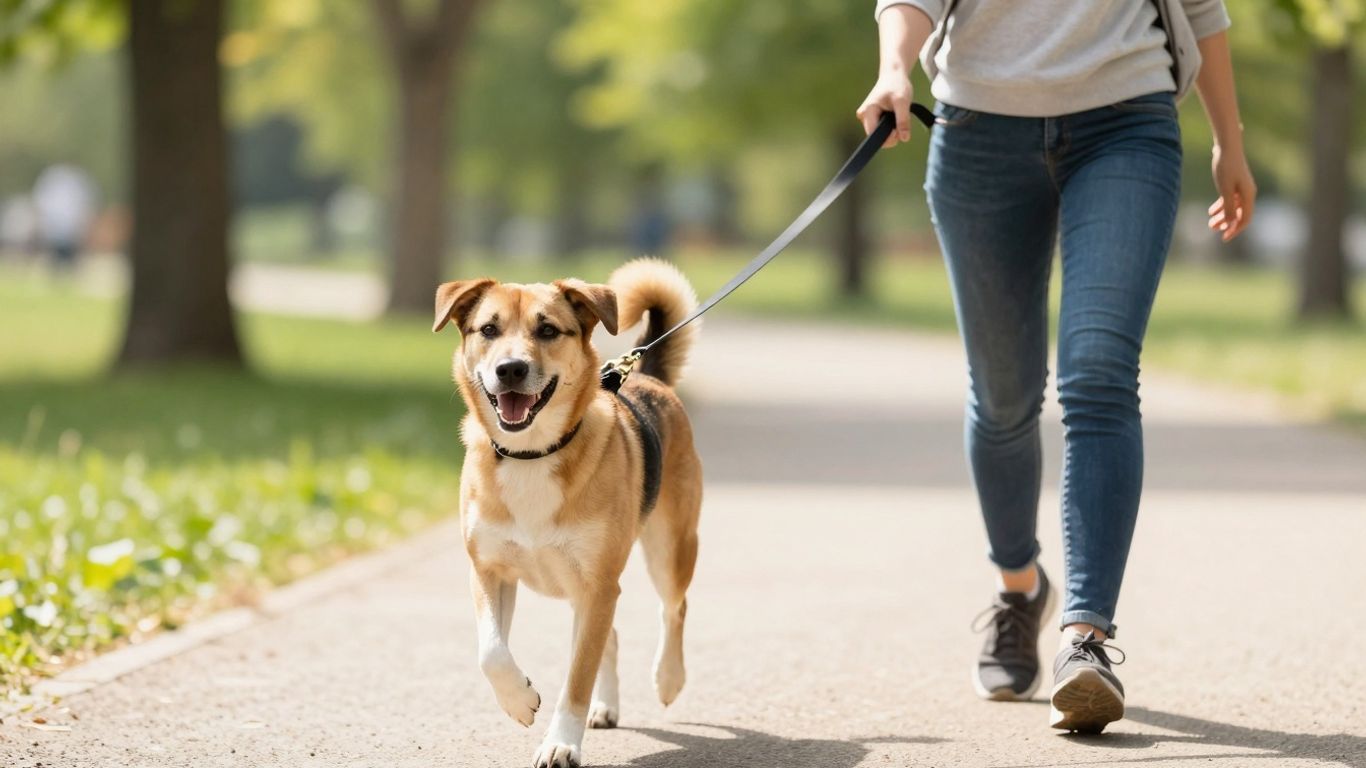
This year, let’s make a pact with our pups to get healthier, side-by-side. It’s not just about us humans getting in shape; our furry friends can benefit just as much, if not more, from a renewed focus on wellness. Think of it as a team effort. When you’re healthier, your dog is happier, and vice versa.
Commit to Daily Walks, No Matter the Weather
Daily walks are non-negotiable for a healthy dog, and honestly, for a healthier you too. Even a quick 20-minute stroll around the block gets the blood pumping and provides much-needed mental stimulation for your dog. Don’t let a little rain or a chilly breeze stop you. Invest in a good raincoat for yourself and a cozy jacket for your dog, and you’ll be surprised how much you can still enjoy the outdoors. It’s a simple habit that makes a big difference in both your physical and mental states. Plus, it’s a great way to explore your neighborhood and discover new sights and smells together.
Upgrade Your Dog's Nutrition
Just like us, dogs need good fuel to thrive. If you’re looking at your own diet this year, it’s the perfect time to examine your dog’s food bowl too. What’s in that kibble? Are the ingredients top-notch? Switching to a higher-quality food can make a noticeable difference in your dog’s energy levels, coat health, and overall well-being. Talk to your vet about what might be best for your specific dog’s needs, whether they’re a tiny terrier or a giant breed. Sometimes, a simple change can have a big impact. You can find some great options for premium dog food.
Maintain a Healthy Weight
Carrying a few extra pounds isn’t just a human problem; it’s a common issue for our canine companions too, and it can lead to serious health problems down the line like joint pain or heart issues. If your dog is a bit on the chunky side, this is the year to tackle it. Work with your veterinarian to figure out a healthy target weight and a plan to get there. This usually involves a mix of watching portion sizes, cutting back on those tempting treats, and, of course, more exercise. It’s a journey, and doing it together makes it more fun and achievable for both of you.
Remember, consistency is key. Small, steady changes are more likely to stick than drastic overhauls. Celebrate the small victories along the way – a longer walk, a healthier meal, a pound lost. These moments add up!
Enhance Your Dog's Well-being
Beyond just physical activity, your dog’s mental state and overall health are super important. Think of it like this: you wouldn’t just eat junk food and never challenge your brain, right? Your dog needs that balance too. Making sure their mind is engaged and their body is healthy means a happier, less anxious pup. A well-rounded approach to your dog’s care is key to a long and joyful life together.
Introduce New Mental Stimulation Activities
Boredom is a real thing for dogs, and it can lead to all sorts of unwanted behaviors, like chewing up your favorite shoes or barking non-stop. Giving their brain a workout is just as vital as a good walk. Try incorporating some new activities that make them think.
Puzzle Toys: These can range from simple treat-dispensing balls to more complex mazes that require problem-solving. They’re great for keeping your dog occupied and mentally sharp, especially when you’re busy.
Scent Work: Dogs have an incredible sense of smell. You can set up simple scent games at home, like hiding treats around a room or in a snuffle mat. It taps into their natural instincts and is incredibly rewarding for them.
Learning New Tricks: Even simple commands like ‘shake’ or ‘roll over’ provide mental engagement. It’s also a fantastic way to bond and reinforce your training relationship. You might be surprised at how quickly they pick things up, even older dogs!
Prioritize Preventive Health Care
It’s easy to put off vet visits, especially when your dog seems perfectly fine. But being proactive about their health can save a lot of trouble (and money) down the line. Think of it as regular maintenance for your best friend.
Schedule Regular Vet Check-ups: Aim for at least one annual visit, or more if your dog is a senior or has existing health issues. Your vet can spot potential problems early.
Keep Vaccinations Up-to-Date: This is non-negotiable for protecting your dog against serious diseases.
Don’t Skip Dental Cleanings: Dental health is often overlooked, but it’s linked to overall health. Bad teeth can cause pain and lead to other issues.
Taking care of your dog’s health isn’t just about reacting when something’s wrong. It’s about creating a plan to keep them healthy and happy for as long as possible. This includes everything from their diet to their regular vet visits. Preventive care really does make a difference.
Build a Consistent Routine
Dogs really thrive on predictability. When they know what to expect each day, it helps them feel secure and reduces anxiety. This means sticking to a schedule for meals, walks, playtime, and even bedtime.
Set Feeding Times: Instead of leaving food out all day, try feeding your dog twice a day at consistent times. This aids digestion and helps manage weight.
Establish Walk Schedules: Knowing when their walk is coming helps build anticipation and ensures they get their necessary exercise and potty breaks.
Create Playtime Rituals: Dedicate specific times for play, whether it’s a game of fetch in the yard or a cuddle session on the couch. This dedicated time strengthens your bond.
Strengthen Your Bond Through Activity
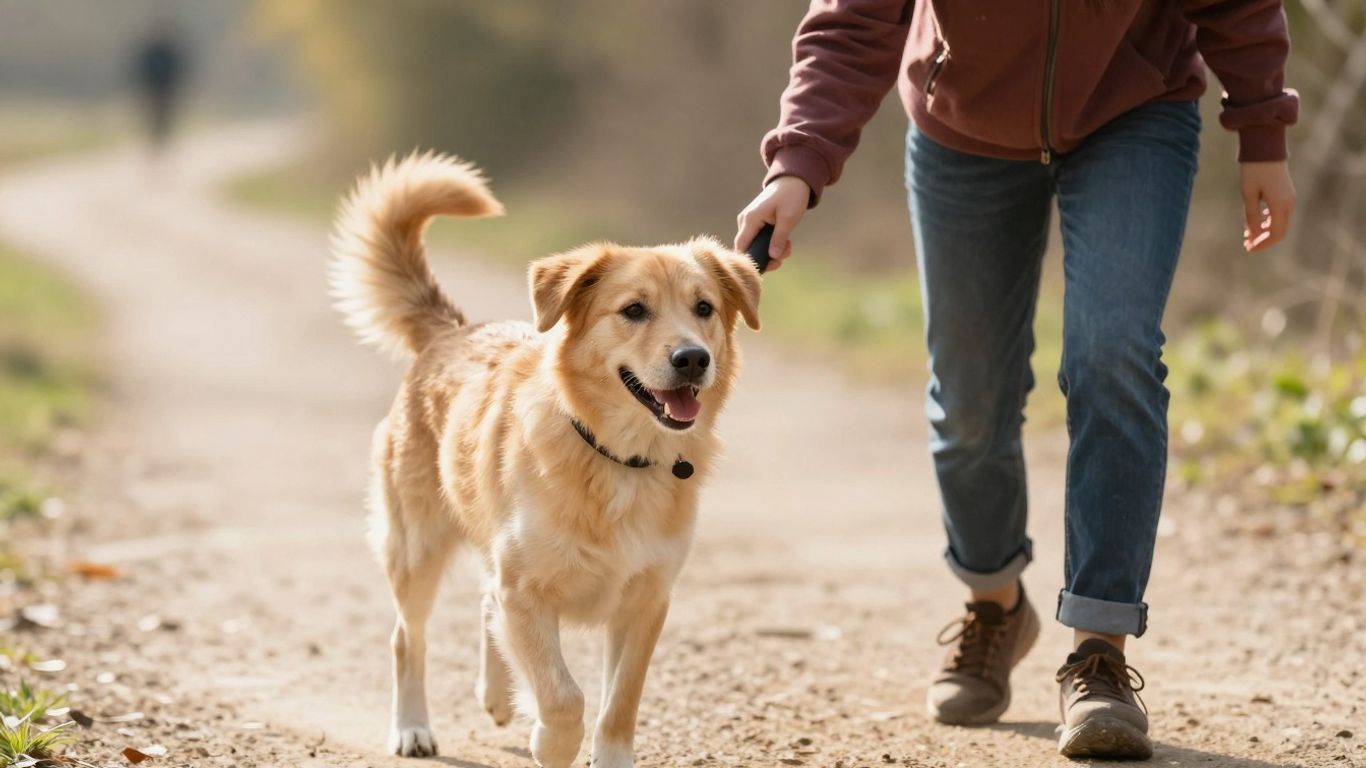
Let’s be honest, life gets busy. It’s easy to fall into a routine that doesn’t involve much more than the basics with our dogs. But this year, let’s make a point to really connect through shared activities. Getting active together isn’t just good for your dog’s physical health; it’s fantastic for your own well-being and deepens that special connection you share.
Set a Fitness Goal Together
Think about what you’d like to achieve physically this year. Maybe it’s training for a local 5K race, or perhaps just committing to a longer hike once a month. Whatever it is, your dog can be your most enthusiastic training partner. They’ll keep you motivated, and you’ll be giving them the exercise they need. It’s a win-win!
Here’s a simple way to start:
Week 1: Aim for your usual walk, but add an extra 10 minutes. Focus on a brisk pace.
Week 2: Increase the duration by another 5 minutes and incorporate a few short bursts of jogging.
Week 3: Try a new route or a slightly more challenging terrain, like a gentle hill.
Week 4: If you’re training for something specific, start incorporating intervals or longer stretches that mimic your goal.
Explore New Places Together
Your dog’s world is full of smells and sights that are new and exciting. Taking them to unfamiliar places provides a wealth of mental stimulation. Think beyond your usual park.
Local Parks & Trails: Research dog-friendly trails in your area. Even a new walking path in a different neighborhood can be an adventure.
Dog-Friendly Cafes/Breweries: Many places now welcome well-behaved dogs. Enjoying a coffee or a drink outdoors with your pup can be a relaxing outing.
Weekend Getaways: Plan a day trip to a beach, a forest preserve, or a town you’ve never visited before. Just remember to pack water and waste bags!
Exploring new environments helps prevent boredom and can even help with socialization if your dog meets new people and other dogs in a controlled, positive way. It keeps their minds sharp and their tails wagging.
Try a New Activity with Your Dog
Beyond walks and hikes, there’s a whole world of activities you can try. This is where you can really have some fun and discover hidden talents in your furry friend (and maybe yourself!).
Agility Course: Many training facilities offer introductory agility classes. It’s a great way to build confidence and coordination.
Canine Disc (Frisbee): If your dog loves to chase, learning to catch a frisbee can be incredibly rewarding and great exercise.
Nose Work/Scent Games: Dogs have an amazing sense of smell. Hiding treats or toys and letting them find them is a fantastic mental workout that taps into their natural instincts.
Master New Skills and Habits
This year, let’s make learning a two-way street with our furry friends. It’s not just about them picking up new tricks; it’s about us learning to be more patient, consistent, and present. Think of it as a shared journey of growth.
Master a New Training Skill
Whether your dog is a puppy still figuring things out or a seasoned pro, there’s always something new to learn. Maybe it’s finally getting that ‘stay’ command down solid, or perhaps improving how they walk on the leash without pulling your arm off. Setting a goal to teach a new skill, like ‘fetch’ or ‘roll over’, can be really rewarding. It gives your dog a mental workout and strengthens your communication.
Start with the basics: Break down complex commands into smaller, manageable steps.
Use positive reinforcement: High-value treats and praise go a long way.
Keep sessions short and fun: A few minutes here and there is better than one long, frustrating session.
Be consistent: Practice regularly, even if it’s just for five minutes a day.
Teach an Old Dog New Tricks
Who says training is just for puppies? Older dogs can absolutely learn new things! In fact, keeping their minds active is super important for their overall health and can help prevent cognitive decline. It might take a bit more patience, but seeing them figure something out is incredibly satisfying. You could try teaching them a new cue, like ‘shake paw’ if they don’t know it, or even work on refining existing behaviors. It’s a great way to bond and keep their brains sharp.
Practice Mindfulness and Quality Time
In our super busy lives, it’s easy to just go through the motions. This year, let’s try to be more present with our dogs. That means putting the phone away during walks, really focusing on petting them without distractions, or just sitting together and watching the world go by. It’s amazing how much calmer you both can become when you’re truly connecting. This kind of quiet time can really lower stress levels for both of you and deepen that special bond we share.
Taking just a few minutes each day to be fully present with your dog can make a big difference. It’s about quality over quantity when it comes to connection.
Focus on Essential Care
This year, let’s make sure the basics are covered for your furry friend. It’s easy to get caught up in the fun stuff, but sometimes the most important things are the ones we do every day.
Brush Your Pet's Teeth
Dental hygiene is a big one. If you’re not already brushing your dog’s teeth, now’s the time to start. It doesn’t have to be a daily marathon right away. Begin slowly, letting your dog get used to the feel of a soft-bristled brush and dog-specific toothpaste. Even brushing every other day makes a difference. This simple habit can help prevent gum disease and might even save you from costly professional cleanings down the line, which often require sedation.
Visit Your Vet Regularly
Think of your vet as your partner in keeping your dog healthy. An annual check-up is more than just a quick once-over. It’s a chance to catch little issues before they become big problems. Your vet can spot early signs of things like weight gain, dental trouble, or other health concerns. Keeping vaccinations up-to-date and discussing any changes you’ve noticed in your dog’s behavior or energy levels are also key parts of this visit. Building a good relationship with your vet means you’ll have someone to turn to if any unexpected health hiccups pop up.
Ensure Proper Nutrition
What goes into your dog’s bowl matters. Making sure your dog is eating a balanced diet suited to their age, breed, and activity level is super important. If your dog is carrying a few extra pounds, this is the year to tackle it. Work with your vet to figure out a healthy weight goal and a plan to get there. This usually involves adjusting food portions and being mindful of treats. Choosing foods that are nutrient-dense can help your dog feel full and satisfied while getting all the good stuff they need. Remember, a healthy diet is a cornerstone of overall well-being for your dog.
A Year of Shared Adventures
So, there you have it. Making resolutions with your dog isn’t just about them; it’s about you too. It’s a chance to get healthier, happier, and closer. Think of all the extra walks, the new places you’ll explore, and the fun training sessions. It’s not always going to be perfect – some days you’ll just want to stay on the couch, and your dog might have an off day too. But the effort you put in, day after day, builds something really special. Here’s to a fantastic year ahead, filled with wagging tails, happy barks, and a bond that just keeps getting stronger.
Frequently Asked Questions
How much exercise should my dog get each day?
The amount of exercise your dog needs really depends on their breed, age, and overall health. Most dogs do well with about 30 to 60 minutes of activity every day. However, dogs that have a lot of energy might need much more. It’s always a good idea to chat with your veterinarian to figure out the best exercise plan for your specific dog.
What's the best way to help my dog lose weight?
Helping your dog slim down involves a two-part plan: feeding them the right amount of good-quality food and getting them moving more. Try not to leave food out all day, measure their meals carefully, and limit treats to about 10% of their daily calories. Slowly increase how long and how often you exercise them. It’s a team effort!
Can older dogs still learn new things?
Definitely! Older dogs can absolutely learn new tricks and skills. Keeping their minds active with new challenges helps them stay sharp and engaged, which makes them happier. It’s never too late to teach an old dog something new.
How can I make winter walks more enjoyable for my dog?
You can make winter walks more fun by trying different routes, playing games, and using the right gear to keep your dog warm and comfy. If it’s extremely cold, keep the walks shorter. Always check their paws for ice or irritation afterwards. A little preparation goes a long way!
Why is mental stimulation so important for my dog?
Mental exercise is just as vital as physical exercise for your dog’s happiness and health. When dogs get bored, they can become anxious or even start to chew up your furniture. Giving them puzzle toys, playing scent games, or teaching them new commands keeps their minds busy and prevents problem behaviors.
How can I make sure my dog and I spend quality time together?
In our busy lives, it’s easy to just go through the motions. This year, make an effort to spend real, focused time with your dog. Put your phone away when you’re walking or playing, enjoy quiet petting sessions, or just relax together. This kind of mindful time helps both of you feel less stressed and closer.
Comments