
The new year is a time for fresh starts, and who better to learn from than our feline friends? Cats have a way of living in the moment and finding joy in the simple things. This year, let’s make a New Year’s Resolution to see the world through their eyes. It’s not just about pampering them; it’s about understanding their needs and building a stronger connection. We can learn a lot from their calm demeanor and their ability to adapt. So, let’s set some goals that benefit both you and your furry companion.
Key Takeaways
Understand your cat’s unique personality and needs to set realistic goals for them.
Create a more engaging home environment for your cat with stimulating spaces and activities.
Spend quality time with your cat through play and shared experiences to deepen your bond.
Practice patience and observation to better interpret your cat’s behavior and communication.
Adopt a healthier lifestyle together by encouraging activity and establishing routines.
Embrace New Year's Resolutions for Feline Companions
Understanding Your Cat's Unique Needs
So, the new year is here, and maybe you’re thinking about making some changes. For us humans, it’s often about hitting the gym or eating better. But what about our furry overlords? They have needs too, and setting resolutions for them isn’t just about us feeling good; it’s about making their lives genuinely better. First off, we need to really look at our cats as individuals. They aren’t all the same, right? Some are bold explorers, others are shy homebodies. Understanding what makes your cat tick is the first step. What does she love? What makes him nervous? Paying attention to these little things is key.
Setting Achievable Goals for a Happier Cat
Once you know your cat, you can set some realistic goals. Forget trying to teach your cat to fetch if they’ve never shown an interest. Instead, think about things like:
More vertical space: Cats love to climb and survey their kingdom from up high. Adding a new shelf or a cat tree can make a big difference.
New textures to explore: Maybe a new scratching post with a different material, or a soft blanket in their favorite sunbeam spot.
Scheduled playtime: Even 10-15 minutes of focused play each day can help burn off energy and reduce boredom.
It’s not about grand gestures, but small, consistent efforts that add up. A happy cat is a cat whose basic needs for safety, stimulation, and affection are met.
The Human Element in Feline Resolutions
Honestly, most cat resolutions are really about us changing our behavior. We’re the ones who need to be more patient, more observant, and more willing to adapt to their feline ways. It means learning to read their body language – that slow blink means trust, a twitching tail might mean annoyance, not happiness. It’s about creating an environment that works for them, not just for us. Think of it as a partnership. We provide the care and the resources, and they, in return, grace us with their presence and, if we’re lucky, a purr. It’s a pretty good deal, if you ask me.
Enhancing Your Cat's Environment and Well-being
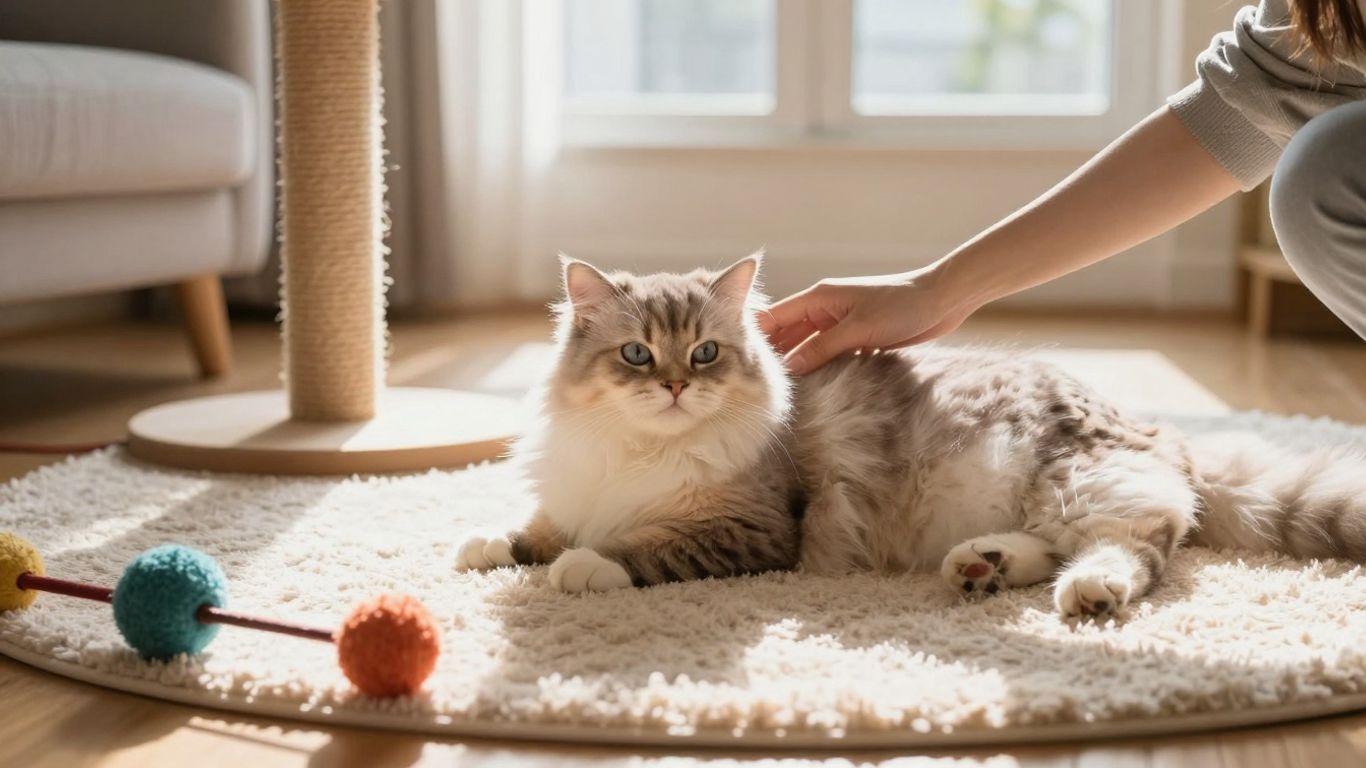
Let’s be honest, sometimes our feline friends seem to have life figured out better than we do. They nap when they want, demand attention on their terms, and generally seem pretty content. But even the most laid-back cat can benefit from a little extra attention to their surroundings. Making your cat’s world more interesting isn’t just about keeping them busy; it’s about supporting their natural instincts and making them feel secure and happy.
Creating a Stimulating 'Catified' Space
Think of your home as a cat’s personal jungle gym. They need places to climb, hide, and survey their kingdom. Vertical space is a big deal for cats. Shelves, cat trees, or even sturdy bookcases can provide much-needed elevation. A well-designed space helps reduce stress and encourages natural behaviors. Consider adding scratching posts in various materials – sisal rope, cardboard, or carpet – placed strategically near furniture they might be tempted to scratch. This redirects their energy positively and saves your sofa.
Enriching Playtime and Mental Stimulation
Play isn’t just for kittens. Adult cats need it too, and it’s a fantastic way to bond. Rotate toys to keep things fresh. Puzzle feeders are great for making mealtime a bit more challenging and rewarding. You can also try interactive toys that mimic prey, like feather wands or laser pointers (just be sure to end the session with a tangible reward so they don’t get frustrated). Even simple things like a crinkly ball or a paper bag can provide hours of entertainment. For a little extra zing, consider introducing cat-safe herbs like catnip or silver vine. These can really liven up their playtime.
The Importance of Sensory Experiences for Cats
Cats experience the world through their senses, and providing a variety of sensory input is key to their well-being. This includes:
Sight: Window perches offer a view of the outside world, which can be like a constant nature documentary for them. Bird feeders outside windows can add extra interest.
Sound: While some cats are sensitive to loud noises, others enjoy gentle music or nature sounds. Experiment to see what your cat prefers.
Smell: As mentioned, catnip and other herbs can be stimulating. You can also introduce new, safe scents through toys or even by bringing in outdoor elements like fallen leaves (ensure they are non-toxic).
Touch: Different textures in their environment, from soft beds to rough scratching posts, cater to their tactile needs.
A cat’s environment should be dynamic, not static. Regularly changing out toys, rotating resting spots, and introducing new, safe sensory elements can prevent boredom and keep your feline companion engaged and curious about their surroundings. It’s about making their everyday life an adventure.
Remember, a happy cat often means a happy home. By making a few thoughtful changes to their environment and playtime, you’re not just improving their life, but yours too.
Deepening the Bond Through Shared Activities
It’s easy to think of cats as independent creatures, but they absolutely thrive when we make an effort to connect with them on their terms. This year, let’s resolve to spend more quality time together, exploring activities that both you and your feline friend can enjoy. Shared experiences, even simple ones, can really strengthen your relationship.
Exploring the World of Cat-Themed Media
Who says movie night is just for humans? There’s a surprising amount of content out there that celebrates our whiskered pals. Think documentaries about big cats, animated films featuring famous feline characters, or even just videos of cats doing funny things online. You might be surprised at how much your cat seems to react to certain sounds or visuals on screen – maybe they’re just enjoying the company!
Documentaries: From the majestic Serengeti to the domestic house cat, nature docs can be fascinating.
Animated Features: Many films have iconic cat characters that are fun to watch.
Online Videos: Short clips of cats playing or being silly are always a hit.
Engaging with Literature Inspired by Felines
Reading aloud isn’t just for kids. Try reading a book with a cat as a central character to your furry companion. While they won’t understand the plot, the sound of your voice can be very soothing and create a sense of closeness. Perhaps you’ll find a new favorite author or genre that features cats, like the mystery novels where a clever cat helps solve crimes, or stories that explore the history of our relationship with cats. It’s a quiet way to share your space and your interests.
Shared Learning and Discovery with Your Cat
This might sound a bit out there, but think about it: cats are natural learners and explorers. You can tap into that by setting up simple ‘discovery’ zones for them. This could involve hiding treats in puzzle toys, introducing new textures to their environment, or even setting up a safe, supervised ‘catio’ if you have one. For you, it’s about observing their natural curiosity and problem-solving skills. It’s a chance to learn more about what makes your cat tick, and honestly, it’s pretty entertaining to watch them figure things out.
Observing your cat’s reactions to new stimuli or challenges can be incredibly insightful. It’s not just about their entertainment; it’s about understanding their world and how they interact with it. This shared exploration builds trust and a deeper appreciation for their unique intelligence.
Here are a few ideas to get you started:
Puzzle Feeders: These make mealtime a fun challenge.
New Textures: Introduce different fabrics or safe, natural materials for them to explore.
Window Perches: Give them a safe spot to watch the world go by.
Interactive Toys: Wand toys or laser pointers (used responsibly!) can be great for bonding.
Cultivating Patience and Understanding
Cats, bless their furry little hearts, don’t exactly come with an instruction manual. They’re complex beings, and sometimes their actions can leave us scratching our heads. This year, let’s make a resolution to really try and get where they’re coming from. It’s not always about us, you know?
Recognizing Personality Development in Cats
Just like us, cats go through phases. A kitten’s boundless energy might mellow into a more laid-back adult cat, or a shy rescue might blossom into a confident companion. It’s easy to expect them to stay the same, but paying attention to these shifts is key. Think about it: did your cat suddenly become more vocal? Or maybe they’ve started a new favorite napping spot. These aren’t random occurrences; they’re part of their evolving personality.
Kittenhood: High energy, curiosity, learning boundaries.
Adolescence (6-12 months): Testing limits, increased independence, potential for mischief.
Adulthood (1-7 years): Settled routines, established personality traits, peak physical condition.
Senior years (7+ years): Slower pace, potential for new anxieties or preferences, increased need for comfort.
Adapting to Your Cat's Changing Behaviors
So, your cat’s behavior has changed. Maybe they’re suddenly not using the litter box like they used to, or they’re a bit more nippy during playtime. Instead of getting frustrated, the resolution here is to adapt. This might mean a vet visit to rule out any health issues, or it could be as simple as changing their food or litter. Sometimes, a small adjustment on our part can make a world of difference for them. If your cat is suddenly hiding more, try creating a quiet, safe space for them. If they’re more demanding of attention, schedule in some dedicated playtime, even if it’s just 10 minutes.
The Art of Observing and Interpreting Feline Cues
This is where the real detective work comes in. Cats communicate, but not with words. They use their bodies, their eyes, their tails, and their vocalizations. Learning to read these signals is like learning a new language. A slow blink? That’s a sign of trust and affection. A tail held high with a slight curve at the tip? They’re feeling friendly and confident. A tail that’s twitching rapidly? They might be annoyed or overstimulated. Paying attention to the subtle things – the flick of an ear, the dilation of pupils, the way they hold their body – can tell you so much about their mood and needs.
Cats are masters of subtle communication. Their body language, vocalizations, and even their silences speak volumes. Taking the time to observe and learn these cues isn’t just about understanding them better; it’s about building a stronger, more empathetic relationship. It’s about meeting them where they are, not where we wish they were.
Here are a few common cues to watch for:
Ears: Forward means alert and interested. Flattened back means fear or aggression. Sideways can mean annoyance.
Eyes: Wide pupils can mean excitement or fear. Slow blinks are a sign of trust.
Tail: Held high with a slight curve means happy and confident. Puffed up means scared or angry. Lashing back and forth means agitated.
Vocalizations: Meows can mean many things, from “hello” to “feed me.” Purring usually means contentment, but can also indicate stress. Hissing and growling are clear warnings.
Fostering a Healthier Lifestyle Together

It’s easy to get caught up in our own New Year’s resolutions, but let’s not forget our feline friends! They rely on us for pretty much everything, so making a commitment to their health and happiness is a fantastic idea. Think of it as a team effort – what’s good for them is often good for us too.
Encouraging Active Play and Exercise
Cats, especially indoor ones, can get a bit… sedentary. We’ve all seen that sleepy cat curled up for hours. But just like us, they need to move! Regular activity isn’t just about burning off energy; it helps keep their weight in check, supports joint health, and can even prevent behavioral issues that pop up when they’re bored. A little bit of daily play can make a huge difference.
Here are some ways to get your cat moving:
Interactive Toys: Think feather wands, laser pointers (use with caution and always end with a tangible reward!), or even crinkle balls. The key is to mimic prey – darting, hiding, and pouncing.
Puzzle Feeders: These make mealtime a game. Instead of just dumping kibble in a bowl, your cat has to work for it, which is great mental and physical exercise.
Scheduled Playtime: Try to set aside 10-15 minutes, twice a day, for dedicated play. Morning and evening often work well, mimicking their natural hunting times.
Mindful Eating Habits for Pets and People
This one’s a two-parter. For your cat, it means paying attention to what and how much they’re eating. Overfeeding is a common problem, leading to obesity and related health issues. For us, it’s about being more conscious of our own food choices and maybe even sharing some healthy habits.
Consider these points:
Portion Control: Stick to the recommended feeding guidelines on your cat’s food packaging, and adjust based on their age, activity level, and vet’s advice.
Treats in Moderation: Those little treats are great for training or bonding, but they add up. Make sure they don’t make up a significant portion of your cat’s daily calorie intake.
Hydration Station: Ensure fresh water is always available. Some cats prefer fountains, which can encourage more drinking.
We often think of health as a human endeavor, but our pets are part of our household health ecosystem. When we make better choices for them, it often inspires us to do the same for ourselves. It’s a win-win situation that strengthens the bond we share.
The Role of Routine in Cat Well-being
Cats thrive on predictability. A consistent routine can reduce stress and anxiety, making them feel more secure. This applies to feeding times, play sessions, and even bedtime.
Think about establishing a rhythm for:
Feeding: Try to feed your cat at the same times each day.
Play: As mentioned, scheduled play sessions help.
Grooming: Regular brushing not only keeps their coat healthy but can also be a bonding experience and a chance to check for any skin issues or lumps.
Sticking to a routine might take a little effort at first, but the calm and contented cat (and human!) you’ll have in return is totally worth it.
Resolutions Inspired by Feline Wisdom
Learning from Cats' Nimble and Unpredictable Nature
Cats are masters of adapting, aren’t they? One minute they’re napping in a sunbeam, the next they’re chasing a dust bunny like it’s the most important mission in the world. This flexibility is something we humans could really learn from. Instead of getting stuck in our ways, maybe we can try to be a bit more nimble when life throws us a curveball. Think about it: when a door is closed, a cat doesn’t just sit there; they’ll try the window, or maybe just meow until someone opens the door. It’s about finding a way, even when the obvious path is blocked.
The Cat's Perspective on Surviving Challenges
Cats seem to have this innate ability to roll with the punches. They might get startled, but they recover quickly. They face challenges with a quiet determination, often relying on their instincts. This is a good reminder for us to trust our own gut feelings more often. When things get tough, instead of panicking, maybe we can take a page from their book and assess the situation calmly, then act decisively. It’s not about being fearless, but about being resilient.
Finding Joy in Simple Pleasures, Cat-Style
Look at your cat. What makes them happy? Often, it’s the simplest things: a warm spot of sun, a crinkly toy, a good stretch, or a quiet moment of grooming. They don’t need grand gestures to feel content. This is a powerful lesson for us. In our busy lives, we often overlook the small joys. Making time for a quiet cup of tea, enjoying a walk outside, or simply appreciating a moment of peace can be just as fulfilling as any big achievement. Let’s resolve to notice and savor these little moments more often.
Wrapping Up Our Purr-fect Resolutions
So, there you have it. A few ideas to make the new year a little more harmonious for both you and your feline overlords. Whether it’s about understanding their quirky habits a bit better, or just making sure they have enough sunbeams to nap in, these resolutions are all about strengthening that special bond. Remember, cats are masters of living in the moment, and maybe we can all learn a thing or two from their chill approach to life. Here’s to a year filled with happy purrs, playful pounces, and plenty of quality cuddle time. Happy New Year!
Frequently Asked Questions
Why should I make New Year's resolutions for my cat?
Making resolutions for your cat is a fun way to think about how you can make their life even better. It’s like setting goals to help them be happier and healthier, just like we do for ourselves. It’s all about improving their well-being and strengthening your bond.
What kind of resolutions can I make for my cat?
Think about things that would make your cat feel more comfortable and entertained. This could mean creating a more exciting space for them with new toys or climbing spots, spending more time playing with them, or even trying out new healthy treats. It’s about understanding what makes your cat happy.
How can I make my home more 'cat-friendly'?
A ‘cat-friendly’ home, or ‘catified’ space, means adding things your cat will love. This could be tall scratching posts, cozy beds in sunny spots, shelves to climb on, or even just hiding spots where they can feel safe. It’s about giving them places to explore and relax.
What are some ways to provide mental stimulation for my cat?
Cats need to use their brains just like we do! You can give them puzzle toys that hide treats, teach them simple tricks, or even just rotate their toys to keep things interesting. Interactive play sessions where they can ‘hunt’ a toy are also great for their minds.
How can I deepen my connection with my cat?
You can bond with your cat by spending quality time together. This includes playing games they enjoy, grooming them gently, or just sitting with them and letting them relax in your presence. Even watching cat-themed shows or reading books about cats together can be a fun shared activity.
What does 'resolutions inspired by feline wisdom' mean?
This means looking at how cats live and learning from them. Cats are great at being flexible, enjoying simple things, and handling challenges with grace. We can try to be more like them by being more adaptable, finding joy in small moments, and staying calm when things get tough.
Comments