
Ever look at your dog or cat and just wonder? Like, what’s up with that funny ear twitch or why do they love that specific squeaky toy so much? It turns out, there’s a whole lot of information locked away in their genes. Pet DNA kits are becoming a thing, and they promise to tell you everything from your pet’s breed mix to potential health stuff. It’s kind of like ancestry, but for your furry family members. We’re going to break down what these kits are all about.
Key Takeaways
Pet DNA kits can tell you a lot about your pet’s background, including their breed mix and potential health risks.
Different kits focus on different things, from breed identification to health screenings and even trait analysis.
Companies use CLIA-certified labs, similar to those used for human health tests, to get accurate results.
When choosing a kit, think about what you want to learn and how quickly you want the results.
It’s always a good idea to talk to your vet about your pet’s DNA results to understand what they mean for your pet’s care.
Understanding the Science Behind Pet DNA Kits
Decoding Your Pet's Genetic Tapestry
Ever look at your dog or cat and wonder about their wilder ancestors or what makes them tick? It all comes down to their DNA, the blueprint of life. Pet DNA kits work by looking at tiny pieces of this blueprint, called genetic markers. Think of it like reading a very, very long book, but instead of letters, it’s made up of A’s, T’s, C’s, and G’s. Each marker is a specific spot in that book, and the combination of letters at that spot tells us something about your pet.
These kits collect a sample, usually from a simple cheek swab. Back in the lab, scientists analyze the DNA from that sample. They compare your pet’s unique genetic sequence against a massive database of known breeds and genetic information. The more markers a test analyzes, the more detailed and accurate the results tend to be. It’s a bit like piecing together a puzzle, where each marker is a tiny clue helping to reveal your pet’s ancestry and potential health predispositions.
The Precision of CLIA-Certified Laboratories
When you send off that cheek swab, you want to know it’s being handled by the best. That’s where CLIA-certified laboratories come in. CLIA stands for the Clinical Laboratory Improvement Amendments. Basically, it’s a set of federal standards that ensure labs are doing things correctly and producing reliable results. For pet DNA tests, this certification means the lab follows strict quality control measures. This is super important because even a small error in the lab could lead to confusing or incorrect information about your pet’s breed mix or health risks.
These labs use sophisticated equipment and trained professionals to process your pet’s sample. They’re not just guessing; they’re using validated scientific methods. This attention to detail is what separates a truly informative DNA test from one that might leave you with more questions than answers. It’s about trust and accuracy, making sure the genetic story they tell you is a true one.
Leveraging Ancestry® Expertise for Pet Insights
Companies that have experience with human DNA testing, like Ancestry®, often bring a high level of scientific rigor to their pet DNA products. They’ve spent years refining their technology and building vast genetic databases for people, and they apply that same know-how to our animal companions. This means they’re likely using advanced techniques and have a solid understanding of how to interpret genetic data.
Their approach often involves looking at a wide range of genetic markers, similar to what they do for human ancestry. This allows for a more detailed breakdown of breed origins and can even help identify potential genetic links to certain traits or health conditions. It’s like having a seasoned detective on the case, using established methods to uncover your pet’s unique genetic story. This background in human genetics lends a certain credibility and depth to the insights they can provide about your furry family members.
Exploring Top Pet DNA Kits on the Market
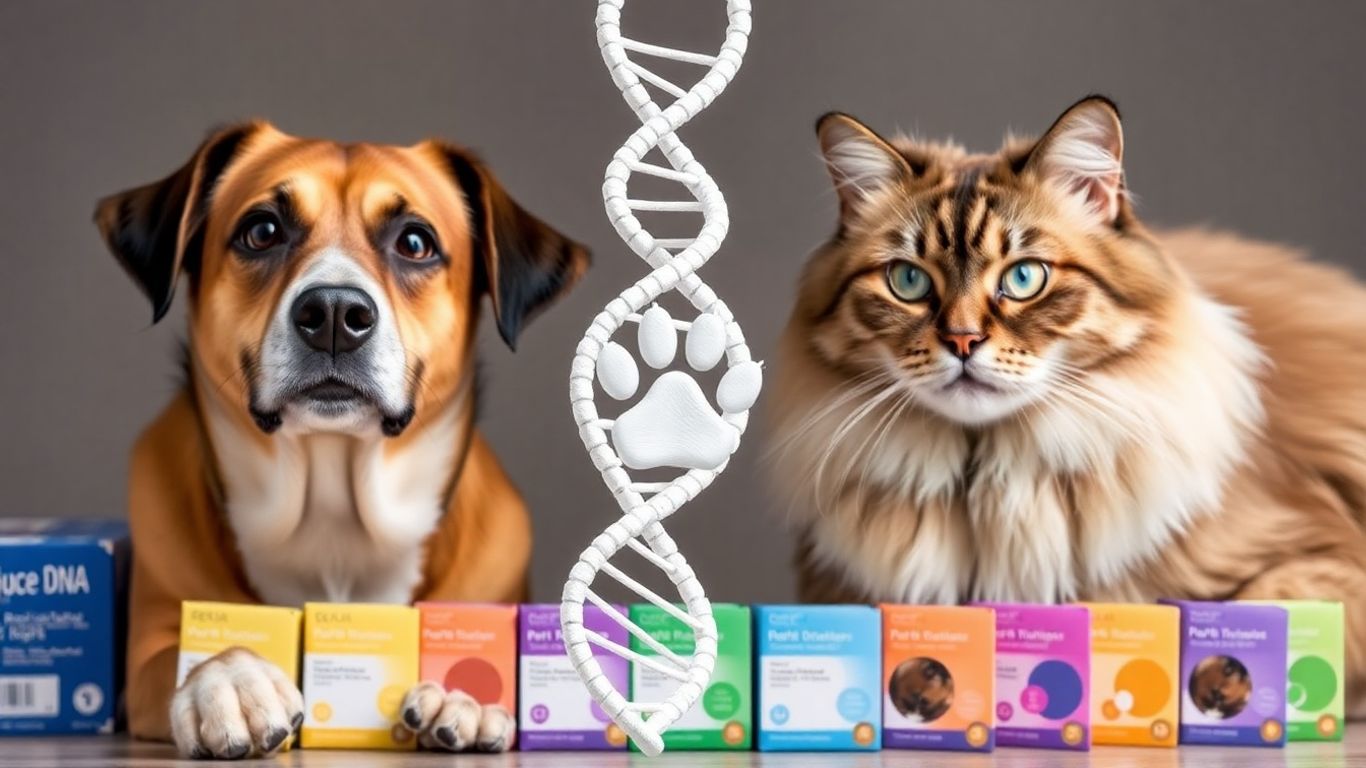
So, you’re curious about what makes your furry friend tick, genetically speaking? It’s a common thought for many pet parents. Luckily, there are several companies out there that can help you get a clearer picture. These kits aren’t just about finding out if your dog is part poodle; they can also shed light on potential health concerns and even personality traits.
Let’s take a look at some of the popular options available:
Embark: A Comprehensive Genetic Journey
Embark is often mentioned as a top contender, and for good reason. They offer a pretty thorough look into your pet’s DNA. Their Breed + Health Kit is a big hit because it covers a lot of ground. It can identify breeds from a massive database – over 350, they say – and screens for more than 200 genetic health conditions. They also work with universities, which adds a layer of scientific backing to their results. It feels like you’re getting a lot of information to help you understand your pet better, from their ancestry to potential health issues down the line.
Wisdom Panel: Unveiling Breed and Health Wisdom
Wisdom Panel is another big name in the pet DNA testing world. They’ve got a few different kits, but their Premium option is quite detailed. What’s interesting about Wisdom Panel is their “Relative Finder” feature. It’s the only one that claims to connect your pet with other dogs that share DNA, which could be a fun way to see if your pet has any genetic cousins out there. They also look at breed mix and screen for a good number of genetic health conditions. Plus, they give you a predicted weight profile, which can be handy for managing your pet’s diet and exercise.
Basepaws: Pioneering Feline and Canine Genetics
Basepaws started out focusing a lot on cats, but they’ve expanded their reach to dogs too. They use advanced genetic technology to give you insights into your pet’s breed, health risks, and even their genetic age. Their lab is CLIA-certified, meaning it meets high standards for accuracy, similar to what you’d find at a vet’s office. If you’re looking for a company that’s really pushing the boundaries in pet genetics, Basepaws is definitely one to consider. They aim to provide a really detailed look at your pet’s genetic makeup.
Orivet: Tailored Care Through DNA Insights
Orivet offers something a bit different with their “Life Plan.” This isn’t just about telling you your pet’s breed mix; it’s about using that genetic information to create a personalized plan for their care. Based on your pet’s breed, age, weight, and even where they live, Orivet provides recommendations for things like vaccinations, diet, and exercise. It’s a more proactive approach to pet health, using DNA to help you anticipate future needs. Of course, they also provide breed identification and health screening as part of their DNA test.
Here’s a quick look at how some of these kits stack up:
Feature | Embark | Wisdom Panel | Basepaws | Orivet |
|---|---|---|---|---|
Breeds Identified | 350+ | 300+ | 200+ | Not specified |
Health Risks Screened | 200+ | 280+ | 280+ | Not specified |
Unique Feature | Relative Finder | Relative Finder | Genetic Age | Life Plan |
Turnaround Time | 2-4 weeks | 4-6 weeks | 2-6 weeks | 2-3 weeks |
Choosing the right kit really depends on what you’re hoping to learn. Some focus more on breed history, while others put a bigger emphasis on potential health issues or personalized care plans. It’s worth thinking about what information would be most helpful for you and your pet before you pick one.
Key Features of Pet DNA Kits
So, you’ve got a pet DNA kit, and you’re wondering what exactly you’re going to get out of it. It’s not just about finding out if your dog is part poodle, though that’s part of the fun. These kits actually offer a pretty wide range of information that can be super helpful for understanding your furry friend.
In-Depth Breed Identification
This is probably the most popular reason people get these tests. You know, that mystery mutt you adopted? A DNA test can break down its ancestry, showing you the percentage of different breeds in your pet’s mix. It’s like a family tree, but for dogs and cats! Some tests can identify hundreds of breeds, giving you a really detailed picture of where your pet comes from. This can explain a lot about their looks and even some of their quirks.
Comprehensive Health Risk Screening
Beyond just breeds, these kits look at potential health issues. They screen for genetic mutations linked to various conditions. Think about things like heart problems, certain cancers, or joint issues. Knowing about these risks ahead of time means you can work with your vet to be proactive. It’s not a diagnosis, mind you, but it’s a heads-up about what to watch for.
Trait Analysis and Behavioral Predispositions
Ever wonder why your dog loves to dig or why your cat is so vocal? Trait analysis can offer some clues. These tests look at genes associated with physical traits, like coat color or ear shape, and even some behavioral tendencies. It might shed light on why your pet acts the way it does, though remember, environment and training play huge roles too.
Unique Features: Relative Finder and Life Plans
Some kits go a step further. The ‘Relative Finder’ feature lets you see if your pet shares DNA with other pets tested by the same company. It’s kind of like a social network for pets! Others might offer ‘Life Plans’ based on the results, suggesting tailored diet or exercise recommendations. It’s all about using that genetic information to give your pet the best possible life.
Choosing the Right Pet DNA Test
So, you’ve decided to explore your pet’s genetic background. That’s awesome! But with so many options out there, picking the right DNA test can feel a bit overwhelming. It’s not just about finding out if your dog is part poodle; it’s about getting information that actually helps you care for your furry friend better. Let’s break down what to look for.
Factors Influencing Test Accuracy
When you’re looking at different tests, accuracy is a big deal. Think about it like this: the more genetic markers a test looks at, the more detailed and reliable the results tend to be. Some tests might have a larger database of breed profiles, which can also lead to a more precise breed breakdown. It’s also worth checking if the lab doing the testing is certified, like CLIA-certified labs, as this is a sign of quality control. The number of genetic markers and the size of the breed database are key indicators of a test’s potential accuracy.
Aligning Tests with Your Information Needs
What do you really want to know? Are you just curious about your dog’s mix, or are you worried about specific health issues? Some tests are better at identifying potential health risks, while others focus more on breed ancestry. If you’re looking for a deep dive into health, you’ll want a test that screens for a wide range of genetic conditions. For those interested in behavior or specific traits, look for tests that analyze those aspects. It’s about matching the test’s strengths to your personal questions.
Considering Turnaround Time and Ease of Use
Nobody likes waiting forever, right? DNA tests can take anywhere from a couple of weeks to over a month to get results back. If you’re eager for answers, a faster turnaround time might be important. Also, consider how easy the collection process is. Most tests use a simple cheek swab, which is pretty straightforward. You just need to make sure you follow the instructions carefully to get a good sample. Some companies might offer more support or clearer instructions than others, which can make the whole experience smoother.
Here’s a quick look at what some popular tests offer:
Feature | Embark® Breed + Health | Wisdom Panel™ Premium | Basepaws™ Cat/Dog | Orivet® |
|---|---|---|---|---|
Breeds Identified | 350+ | 300+ | 200+ (dog) | 365+ |
Health Risks | 250+ | 280+ | 280+ (dog) | 265+ |
Trait Analysis | 35+ | 40+ | 30+ (dog) | 50+ |
Turnaround Time | 2-4 weeks | 4-6 weeks | 2-6 weeks | 2-3 weeks |
Unique Feature | Relative Finder | Oral Health | Genetic Matches | Behavioral Predispositions |
Ultimately, the best test is the one that gives you the information you’re looking for in a way that makes sense for you and your pet. Don’t be afraid to compare different options and read reviews from other pet parents. It’s a personal journey to understand your pet better.
When you’re comparing options, remember that tests like Embark Breed + Health and Wisdom Panel are often cited for their thoroughness in breed and health insights. Choosing the right test is the first step in a rewarding journey of discovery about your pet’s unique genetic makeup.
Making the Most of Your Pet DNA Results
So, you’ve got the results back from your pet’s DNA test. That little kit you sent off in the mail has come back with a whole lot of information about your furry friend’s background and potential health stuff. It’s pretty cool, right? But what do you actually do with all these numbers and percentages? It’s not just about knowing your dog is 25% Labrador and 10% Poodle. These results can actually help you take better care of your pet.
Consulting with Veterinary Professionals
First things first, don’t just stare at the report and guess. Your veterinarian is your best resource for understanding what these genetic insights mean for your pet’s day-to-day life and long-term health. They can help you sort through the information, especially the health risks. For example, if the test flags a predisposition to a certain joint issue, your vet can talk about preventative measures or early signs to watch for. They can also help you understand if a particular health risk is more or less relevant based on your pet’s current lifestyle and age. It’s like having a translator for your pet’s genetic code.
Tailoring Diet and Exercise Regimens
Knowing your pet’s breed mix can also give you clues about their energy levels and dietary needs. A dog with a lot of herding or working breed in them might need more mental stimulation and physical activity than a breed known for lounging around. The DNA report might highlight certain sensitivities or predispositions that could influence food choices. For instance, some breeds are more prone to allergies or digestive issues. This information, combined with your vet’s advice, can help you fine-tune their diet and exercise plan to keep them happy and healthy.
Exploring Additional Health Screenings
Sometimes, a DNA test will flag a potential health risk that doesn’t show any outward symptoms yet. This is where proactive care comes in. Your vet might suggest specific blood tests, imaging, or other diagnostic screenings based on these genetic predispositions. It’s not about scaring yourself, but about being informed and prepared. Early detection is often key to managing health conditions effectively, and your pet’s DNA can be a valuable early warning system.
Here’s a quick look at what you might find and how to approach it:
Breed Identification: Use this to understand general temperament and energy needs.
Health Risks: Discuss these with your vet to plan preventative care or monitoring.
Trait Analysis: Learn about potential behavioral tendencies, but remember environment plays a big role too.
Remember, a DNA test is a snapshot of your pet’s genetic potential. It doesn’t dictate their entire future. Their environment, upbringing, and the care you provide play massive roles in shaping who they become. Use the results as a guide, not a rigid rulebook.
The Evolving Landscape of Pet DNA Testing
Advancements in Genetic Marker Technology
It feels like just yesterday we were marveling at the idea of swabbing our dog’s cheek to find out if they were part poodle or part terrier. Now, the science behind pet DNA testing is really taking off. Companies are getting better at identifying specific genetic markers, which are like tiny signposts in your pet’s DNA. These markers help pinpoint breed origins with more detail than ever before. We’re moving beyond just broad categories to understanding more nuanced ancestral lines. This means results are becoming more precise, giving us a clearer picture of where our pets come from.
The Role of Partnerships in Pet DNA Science
No single company is doing all this research alone. You’ll notice a lot of these pet DNA testing services team up with universities and research institutions. Think of it like a big collaborative project. For example, some work with veterinary colleges to cross-reference their findings and improve their databases. This kind of partnership is super important because it means the information we get is more reliable. It’s not just guesswork; it’s science backed by serious research. This collaboration helps build bigger, better databases of genetic information for both dogs and cats.
Future Directions in Canine and Feline Genetics
So, what’s next? Well, the future looks pretty exciting. We’re already seeing tests that can predict potential health risks, but the next step is likely to be even more personalized health advice. Imagine a DNA test that not only tells you your cat might be prone to a certain kidney issue but also suggests specific dietary changes or preventative measures based on their unique genetic makeup. For dogs, we might see even more detailed insights into behavioral traits, helping us understand why Fido barks at the mailman or why Whiskers loves to hide in boxes. The goal is to use genetics to help our pets live longer, healthier, and happier lives. It’s all about using this genetic information to provide the best possible care tailored specifically to each animal.
So, What's the Takeaway?
Alright, so we’ve looked at a bunch of these pet DNA kits. It’s pretty wild what you can find out about your furry friend, right? From figuring out that mystery mutt’s great-great-grandpuppy’s breed to getting a heads-up on potential health stuff, these tests can be really interesting. Just remember, the results are a guide, not a crystal ball. Always chat with your vet about what the info means for your pet’s day-to-day care. It’s all about giving them the best life possible, and knowing a bit more about their background can definitely help with that.
Frequently Asked Questions
What exactly is a pet DNA test?
Think of a pet DNA test like a special detective kit for your pet’s genes. You collect a little bit of their DNA, usually with a simple swab from their cheek. This sample is then sent to a lab, which reads the genetic code. It’s like unlocking a secret diary that tells you about your pet’s family history, what breeds they might be mixed with, and even if they have a higher chance of getting certain health problems.
Can these tests really tell me my dog's breeds?
Yes, most pet DNA tests are pretty good at figuring out your dog’s breed mix. They compare your dog’s DNA to a huge database of known breeds. For dogs, especially, these tests can be quite accurate because we have a lot of information about their history and how breeds were developed. For cats, it’s getting better, but sometimes it’s a bit trickier to pinpoint exact breeds.
What are the main benefits of using a pet DNA test?
There are several cool reasons! You can finally satisfy your curiosity about your pet’s background and what breeds make them unique. Plus, these tests can flag potential health issues your pet might face down the road, allowing you and your vet to be more prepared. Knowing about certain genetic risks can help you make smarter choices about their food, exercise, and overall care.
Are pet DNA tests always 100% correct?
While the science is really advanced, no test is perfect. Think of it like a very educated guess. The accuracy can depend on how many genetic markers the test looks at and how big their breed library is. Most of the top tests are over 90% accurate for breed identification, but it’s always best to chat with your veterinarian about the results, especially when it comes to health information.
How long does it usually take to get the results?
Patience is key! After you send in your pet’s DNA sample, it typically takes a few weeks to get the full report. Some companies might be a bit faster, maybe two to three weeks, while others might take four to six weeks. It all depends on the lab’s workload and how they process the samples.
What should I do after I get my pet's DNA results?
Once you have the results, the most important step is to talk them over with your veterinarian. They can help you understand what the information means for your pet’s health and daily life. You might be able to adjust their diet, exercise routine, or even plan for future check-ups based on what you learn. It’s all about using this new knowledge to give your pet the best life possible!
Comments